Solar Roofing Materials Residential: The Smart Homeowner’s Guide To Cutting Energy Bills In 2026
What Are The Best Solar Roofing Materials Residential?
If you want a fast, clear answer:
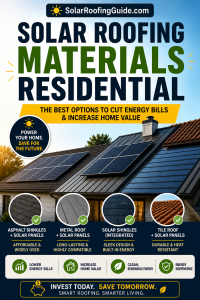
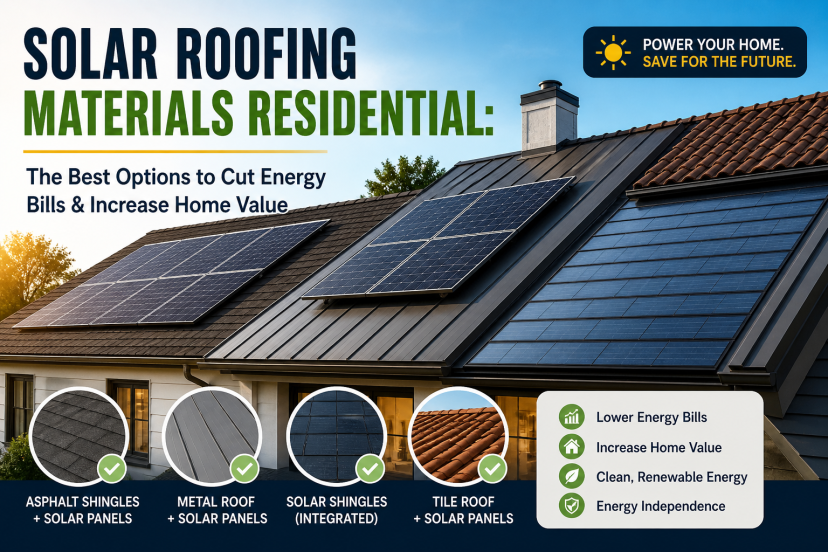
- Asphalt Roof + Solar Panels: Most affordable and widely used in the U.S.
- Metal Roof + Solar Panels: Long-lasting and highly compatible
- Solar Shingles (Integrated): Sleek look but higher upfront cost
- Tile Roof + Solar Systems: Durable but needs specialized installation
For most U.S. homeowners, asphalt shingles with mounted solar panels offer the best balance of cost, performance, and ROI.
🏡 Why Solar Roofing Materials Residential Matter More Than Ever
Energy prices in the U.S. keep rising. At the same time, homeowners want:
- Lower monthly utility bills
- More control over energy usage
- Protection from outages
- Increased home value
That’s where solar roofing materials residential solutions come in.
Instead of thinking of your roof as just protection, you can turn it into a power-generating asset.
🔍 Types Of Solar Roofing Materials Residential (What Works Best?)
Not all roofs are created equal. Choosing the right solar roofing materials for a residential setup can make or break your results.
☀️ Asphalt Shingles + Solar Panels (Most Popular Option)
This is the #1 choice across the U.S.
- Affordable installation
- Works on most homes
- Easy maintenance
- Strong ROI within 6–10 years
Best for:

- First-time solar buyers
- Budget-conscious homeowners
🧱 Metal Roofing + Solar Panels (Best Long-Term Investment)
Metal roofs are becoming more popular for solar.
- Lifespan: 40–70 years
- Panels mount without drilling in some cases
- Reflects heat → improves efficiency
Best for:
- Long-term homeowners
- Areas with extreme weather (Texas, Florida, Midwest storms)
🧩 Solar Shingles (Integrated Solar Roofing Materials Residential)
These replace your roof entirely.
- Clean, modern look
- No bulky panels
- Built-in energy generation
Downside:
- Higher upfront cost
- Lower efficiency vs traditional panels
Best for:
- New builds
- Luxury homes
🏺 Tile Roofs + Solar (Durable But Complex)
Common in states like California, Arizona, and Florida.
- Extremely durable
- Heat-resistant
Challenges:
- Installation is more complex
- Higher labor cost
⚠️ Common Mistakes Homeowners Make (And How To Avoid Them)
Before choosing solar roofing materials residential use, avoid these costly errors:
- Installing Solar On An Old Roof
→ Always replace your roof first if it’s near the end of its life - Ignoring Roof Direction & Shade
→ South-facing roofs perform best in the U.S. - Choosing Based On Price Alone
→ Cheapest option often leads to lower long-term savings - Skipping Local Incentives
→ Many states offer rebates and tax credits
💰 Cost Breakdown Of Solar Roofing Materials Residential (U.S. 2026)
Here’s what most homeowners can expect:
- Asphalt + Panels: $15,000 – $25,000
- Metal + Panels: $20,000 – $35,000
- Solar Shingles: $30,000 – $60,000
With the Federal Solar Tax Credit (ITC), you can reduce costs by 30%.
📈 Benefits Of Choosing The Right Solar Roofing Materials Residential
When done right, solar roofing transforms your home:
- Lower energy bills (often 50–90%)
- Increased home value (avg. +4% in the U.S.)
- Energy independence
- Reduced carbon footprint
🛠️ Step-By-Step: How To Choose The Best Solar Roofing Materials Residential
Follow this simple plan:
1. Evaluate Your Roof Condition
- Age of the roof
- Material type
- Structural strength
2. Check Sun Exposure
- South-facing = best
- Minimal shade from trees or buildings
3. Set Your Budget
- Include installation + maintenance
- Factor in tax credits
4. Compare Materials
- Asphalt vs metal vs solar shingles
5. Work With Certified Installers
- Look for NABCEP-certified professionals in the U.S.
🔧 Maintenance Tips For Solar Roofing Materials Residential
Keep your system running efficiently:
- Clean panels every 6–12 months
- Trim nearby trees
- Monitor system performance
- Schedule annual inspections
🧠 Real-Life Example: U.S. Homeowner Savings
A typical homeowner in California:
- Installed asphalt roof + solar panels
- Paid ~$20,000 upfront
- Saved ~$150/month on electricity
System paid for itself in about 9 years
🚀 Future Trends In Solar Roofing Materials Residential
What’s coming next:
- More efficient solar shingles
- Battery storage is becoming standard
- Smart energy management systems
- Better aesthetics (hidden solar tech)
❓ FAQs About Solar Roofing Materials Residential
1. What Is The Best Solar Roofing Material For Residential Homes?
Asphalt shingles with mounted solar panels are the most cost-effective and widely used in the U.S.
2. How Long Do Solar Roofing Systems Last?
Most systems last 25–30 years, while metal roofs can last even longer.
3. Are Solar Shingles Worth It?
They look great but cost more. Best for new homes or aesthetic-focused homeowners.
4. Can I Install Solar On Any Roof?
Most roofs qualify, but condition, angle, and shading matter.
5. Do Solar Panels Damage The Roof?
No, when installed correctly, they can actually protect the roof.
6. How Much Can I Save With Solar Roofing Materials Residential?
Most U.S. homeowners save $1,000–$2,000 per year, depending on location and energy usage.
✅ Final Thoughts: Is Solar Roofing Worth It?
If you’re serious about lowering energy bills and increasing your home’s value, investing in the right solar roofing materials residential setup is one of the smartest decisions you can make in 2026.
Start simple.
Choose proven materials.
Work with trusted installers.
The sooner you switch, the sooner you start saving.
⚠️ Disclaimer
This article is for informational purposes only and does not constitute professional roofing, financial, or energy advice. Costs, savings, and performance may vary based on location, roof condition, and installation quality. Always consult a licensed roofing or solar professional before making decisions.
 Explore more:
- How Much Roof Space Do Solar Panels Need?
- Best Solar Panels For Small Homes With Limited Roof Space
- Should I Buy Or Lease Solar Panels?