Is A Solar Roof Worth It For Small Homes In 2026? What Homeowners Need To Know Before Going Solar
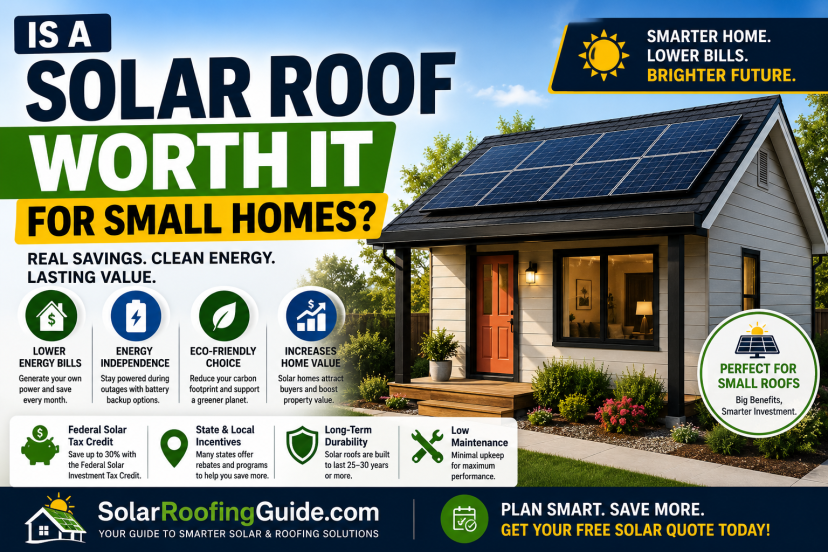
Small homes are becoming more popular across the U.S. as homeowners look for lower living costs, energy efficiency, and simpler lifestyles. At the same time, rising electricity prices and frequent power outages are pushing more people to explore solar energy solutions.
But many homeowners still wonder:
Is a solar roof worth it for small homes?
The answer depends on several factors, including roof size, energy usage, budget, and long-term goals. In many cases, small homes can actually benefit more from solar than larger properties because they typically use less electricity and require smaller systems.
Modern solar roofing technology has also become more efficient, more attractive, and more affordable in 2026, making solar a realistic option for many compact homes.
Quick Answer
Yes, a solar roof can absolutely be worth it for small homes — especially for homeowners looking to lower utility bills, improve energy independence, and increase long-term home value.
For most small homes:
- Traditional solar panels usually provide the best return on investment
- Solar shingles offer better curb appeal but higher costs
- Battery-ready systems improve backup power during outages
- Federal tax credits and local incentives can significantly reduce costs
The best setup depends on your roof condition, sunlight exposure, and energy goals.
☀️ Why Small Homes Are Becoming Popular For Solar Roofing
Many homeowners assume solar only makes sense for large houses. But smaller homes can actually be excellent candidates for solar systems.
Why?
Because smaller homes often:
- Use less electricity
- Require fewer solar panels
- Have lower installation costs
- Reach energy offset goals faster
That is one reason why searches for is a solar roof worth it for small homes continue growing in 2026.
Modern solar systems are also more efficient than older systems, allowing homeowners to generate more power with less roof space.
🏠 Is A Solar Roof Worth It For Small Homes?
For many homeowners, the answer is yes — but the type of solar roofing matters.
Best Situations For Small-Home Solar Roofing
Solar roofing may be especially worthwhile if:
- Your roof gets strong sunlight
- Electricity costs are high in your area
- Your roof is in good condition
- You plan to stay in the home long-term
- You want lower utility bills
- You want backup power during outages
Situations Where Solar May Be Less Effective
Solar roofing may provide less value if:
- Your roof has heavy shading
- Roof space is extremely limited
- Your home has unusually low electricity usage
- You plan to move soon
A professional solar assessment can help determine realistic savings potential.
🔋 Types Of Solar Roofing Options For Small Homes
Several solar roofing systems work well for compact homes.
Traditional Solar Panels
Traditional rooftop panels remain the most popular and affordable choice.
Benefits include:
- Lower upfront cost
- High efficiency
- Faster installation
- Strong ROI
Monocrystalline solar panels are often recommended because they generate more electricity using less roof space.
Solar Shingles
Solar shingles combine roofing materials and solar technology into one integrated design.
Advantages include:
- Sleek appearance
- Better curb appeal
- Less visible equipment
However, solar shingles usually cost more than traditional solar panels.
Hybrid Solar Systems
Hybrid systems combine:
- Solar panels
- Battery storage
- Grid connectivity
These setups provide:
- Daily utility savings
- Emergency backup power
- Greater energy independence
Many experts consider hybrid systems ideal for homeowners seeking resilience and long-term value.
💰 Solar Roof Costs For Small Homes In 2026
One major reason homeowners ask is a solar roof worth it for small homes is cost.
Fortunately, smaller homes often require smaller and less expensive systems.
Typical Solar Costs For Small Homes
| System Type | Average Cost Before Incentives |
|---|---|
| Small Solar Panel System | $8,000–$18,000 |
| Solar Shingles | $25,000–$60,000+ |
| Hybrid Solar + Battery | $15,000–$35,000 |
| Full Solar Roof Replacement | $40,000+ |
Actual pricing depends on:
- Roof complexity
- Panel efficiency
- Local labor rates
- Battery capacity
- Roofing materials
🌎 Federal Solar Tax Credit And Local Incentives
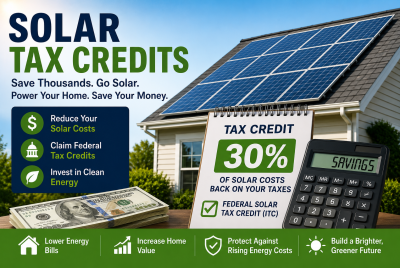
The Federal Solar Investment Tax Credit (ITC) remains one of the biggest financial advantages for homeowners going solar.
Eligible homeowners may receive tax savings on:
- Solar equipment
- Installation labor
- Battery systems
- Electrical upgrades
Many states also offer:
- Local rebates
- Net metering
- Utility incentives
- Property tax exemptions
For small homes, these incentives can significantly improve ROI and shorten payback periods.
⚡ How Much Energy Can A Small Home Solar System Produce?
Modern solar systems can generate impressive amounts of energy even on smaller roofs.
Typical Production Estimates
| System Size | Estimated Annual Output |
|---|---|
| 3 kW System | 3,500–5,000 kWh |
| 5 kW System | 6,000–8,000 kWh |
| 6 kW System | 7,000–10,000 kWh |
Energy production depends on:

- Sunlight exposure
- Roof angle
- Panel efficiency
- Climate conditions
Homes with lower energy usage often achieve stronger energy offset percentages with smaller systems.
🛠️ Roof Compatibility For Small Home Solar Systems
Roof condition and layout are critical factors.
Best Roof Types For Solar
Solar systems work well on:
- Asphalt shingle roofs
- Metal roofs
- Tile roofs
- Flat roofs with proper mounting systems
Important Roof Factors
Roof Age
If your roof is nearing the end of its lifespan, replacement before solar installation may be smart financially.
Roof Direction
South-facing roofs generally produce the most energy in the U.S.
Roof Shade
Trees and nearby buildings can reduce solar efficiency.
Roof Pitch
Moderate roof slopes often provide excellent sunlight exposure.
🔧 Is A Solar Roof Worth It For Small Homes Compared To Traditional Panels?
This is one of the most important comparisons homeowners should understand.
| Feature | Solar Roof | Traditional Solar Panels |
|---|---|---|
| Appearance | Sleek integrated look | Visible panels |
| Cost | Higher | Lower |
| Installation Time | Longer | Faster |
| Efficiency | Moderate-High | High |
| ROI | Slower | Faster |
| Roof Replacement Included | Yes | No |
For most small homes focused on savings, traditional solar panels often provide better financial value.
However, homeowners replacing an older roof anyway may find integrated solar roofing more appealing.

🔋 Battery Backup For Small Homes
Battery storage is becoming increasingly popular in compact homes.
Benefits Of Battery Backup
- Emergency power during outages
- Reduced grid dependence
- Better nighttime energy usage
- Improved energy management
Because small homes often use less electricity, smaller battery systems may still provide meaningful backup protection.
Popular options include:
- Tesla Powerwall
- Enphase IQ Battery
- FranklinWH
- LG Energy Storage
🌤️ Long-Term Savings And Return On Investment
The biggest long-term benefit of solar roofing is energy savings.
Long-Term Advantages
- Lower monthly utility bills
- Reduced exposure to rising electricity rates
- Increased home value
- Potential energy independence
- Better sustainability
Smaller homes may recover solar costs faster because installation expenses are lower while incentives remain valuable.
☔ Maintenance Tips For Solar Roofing Systems
Modern solar systems require relatively little maintenance.
Recommended Maintenance Practices
- Remove leaves and debris
- Trim nearby trees
- Monitor system performance
- Schedule annual inspections
- Check roof flashing periodically
Most solar panels are designed to last 25–30 years or longer.
🧰 Smart Energy Features For Small Homes
Modern solar systems now include advanced smart-home integration.
Smart Solar Features
- Mobile monitoring apps
- Battery usage tracking
- Energy consumption insights
- Smart outage switching
- Appliance prioritization
These tools help homeowners maximize efficiency while reducing wasted energy.
👷 When To Call A Professional
You should contact a certified solar or roofing installer if:
- Your roof is aging or damaged
- You want battery backup
- You need electrical upgrades
- Your roof has shading challenges
- You want a full solar roof replacement
A professional solar assessment can help determine whether solar roofing makes financial sense for your specific home.
❓ FAQs About Is A Solar Roof Worth It For Small Homes
Can A Small Home Run Fully On Solar?
Yes, many small homes can offset most or all electricity usage with properly sized solar systems.
How Many Solar Panels Does A Small House Need?
Most small homes require between 8 and 18 panels, depending on energy usage and panel efficiency.
Are Solar Roofs More Expensive Than Solar Panels?
Yes. Integrated solar roofs usually cost significantly more than traditional solar panels.
Do Small Solar Systems Qualify For Tax Credits?
Yes, eligible systems may qualify for the Federal Solar Tax Credit and local incentives.
How Long Does It Take To Pay Off Solar For A Small Home?
Payback periods vary but often range from 6 to 12 years, depending on electricity costs and incentives.
Can Solar Increase The Value Of A Small Home?
Many buyers view solar-equipped homes as more energy-efficient and attractive.
What Is The Best Solar Option For Small Homes?
For most homeowners, traditional high-efficiency solar panels provide the best combination of affordability, performance, and ROI.
✅ Final Thoughts
So, is a solar roof worth it for small homes in 2026?
For many homeowners, the answer is yes.
Small homes can often benefit from:
- Lower installation costs
- Strong energy savings
- Better energy independence
- Increased resilience during outages
- Improved property value
Whether you choose:
- Traditional solar panels
- Solar shingles
- Hybrid battery systems
- Full solar roofing
The right setup can help create a smarter, more efficient, and more resilient home.
Before moving forward, compare multiple quotes, review your roof condition carefully, and speak with licensed solar professionals about incentives, battery options, and expected long-term savings.
Disclaimer: Solar pricing, tax credits, incentives, and installation requirements vary by location and property type. Always consult a licensed solar or roofing professional before making major home improvement decisions.
 Explore more: