Small Roof Design: Smart Ideas To Maximize Solar Power And Save Energy
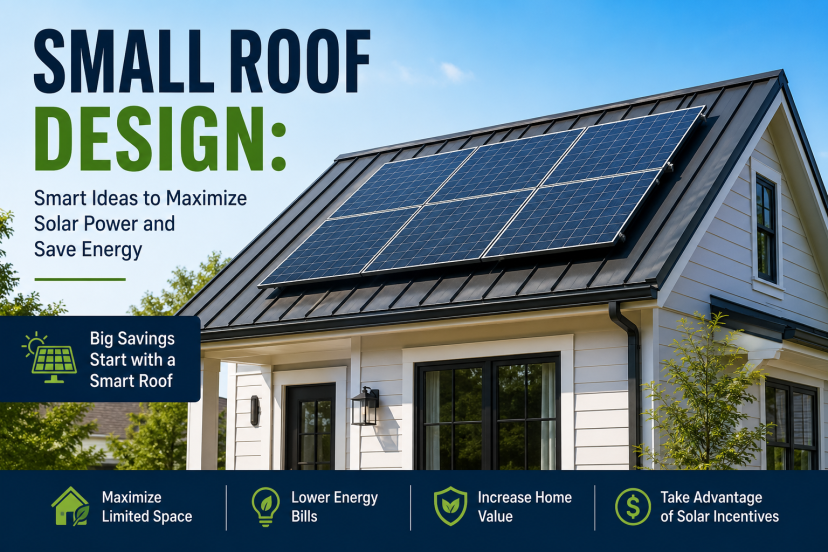
Maximizing solar power and energy efficiency on a small roof requires high-density planning, smart material choices, and layout strategies that make every square foot count. Whether you’re building a new home or upgrading an existing one, a small roof design doesn’t have to limit your solar potential. In fact, with today’s high-efficiency solar panels and smart roof planning, even compact roofs can generate meaningful energy savings while improving your home’s value and resilience.
Many U.S. homeowners assume they need a large roof to benefit from solar. That’s no longer true. Modern solar technology, improved roof layouts, and better energy-efficient design make it possible to produce impressive results from smaller roof spaces.
⭐ Quick Answer: Small Roof Design
A small roof design can successfully support solar panels when it maximizes usable roof space, faces the right direction, minimizes shading, and uses high-efficiency solar modules. Careful planning helps homeowners reduce electricity bills, qualify for tax incentives, and extend roof lifespan while making the most of limited square footage.
☀️ Why A Small Roof Design Works Well For Solar
A thoughtfully planned small roof design offers several advantages beyond aesthetics.
Modern roofing systems focus on maximizing every square foot while reducing waste and maintenance. Since premium solar panels generate more electricity per panel than older models, homeowners no longer need massive rooftops to offset a significant portion of their electricity use.
Benefits include:
- Lower roofing material costs
- Easier roof maintenance
- Faster solar installation
- Improved energy efficiency
- Better wind resistance
- Lower heating and cooling costs
- Reduced long-term utility expenses
Smaller homes often consume less electricity overall, making a compact solar array surprisingly effective.
🏡 Best Small Roof Design Features For Solar Panels
Not every roof performs the same.

The best small roof design focuses on creating uninterrupted space for solar installation.
Ideal Roof Characteristics
- South-facing orientation whenever possible
- Roof pitch between 20° and 40°
- Minimal chimneys or roof vents
- Few skylights
- Little to no tree shading
- Strong roof framing
- Durable roofing materials
Roofing Materials That Pair Well With Solar
| Roofing Material | Solar Compatibility | Expected Lifespan |
|---|---|---|
| Asphalt Shingles | Excellent | 20–30 Years |
| Metal Roofing | Outstanding | 40–70 Years |
| Standing Seam Metal | Excellent | 50+ Years |
| Composite Roofing | Very Good | 30–50 Years |
| Concrete Tile | Good (Special Mounts Required) | 50+ Years |
Metal roofs are especially attractive because they often outlast the solar panels themselves.
🌞 Choosing The Right Solar Panels For A Small Roof Design
Limited roof space makes panel efficiency more important.
High-efficiency panels generate more electricity using fewer panels.
Popular options include:
| Panel Type | Efficiency |
|---|---|
| Monocrystalline | 20–23% |
| Polycrystalline | 15–18% |
| Thin-Film | 10–13% |
Monocrystalline panels are usually the best choice for a small roof design because they maximize energy production per square foot.
Although they cost slightly more upfront, they often provide better long-term value.
⚡ How Much Energy Can A Small Roof Produce?
The answer depends on:
- Roof size
- Local sunlight
- Panel efficiency
- Roof orientation
- Shading
- Household electricity usage
For example:
| Roof Size | Estimated System Size | Annual Production* |
|---|---|---|
| 300 sq ft | 3–4 kW | 4,000–6,000 kWh |
| 450 sq ft | 5–6 kW | 6,500–9,000 kWh |
| 600 sq ft | 7–8 kW | 9,000–12,000 kWh |
*Actual production varies by climate and location.
Many homeowners offset 50–100% of their electricity usage even with modest roof sizes.
💰 Small Roof Design Costs And Long-Term Savings
Solar pricing continues to become more affordable.
Average U.S. residential solar installation costs before incentives:
| System Size | Typical Cost |
|---|---|
| 3 kW | $8,000–$11,000 |
| 5 kW | $13,000–$18,000 |
| 6 kW | $15,000–$21,000 |
| 8 kW | $20,000–$28,000 |
Several factors affect pricing:
- Roof complexity
- Roofing condition
- Local labor costs
- Equipment quality
- Battery storage
- Permit requirements
Despite the initial investment, many homeowners recover costs through lower electric bills over time.
💵 Federal Solar Tax Credit And Other Incentives
One major advantage of installing solar is the availability of incentives.
Many U.S. homeowners qualify for the Federal Solar Investment Tax Credit (ITC), which can significantly reduce installation costs for eligible systems.
Additional savings may include:
- State solar rebates
- Utility company incentives
- Net metering programs
- Property tax exemptions (available in some states)
- Sales tax exemptions
Some states also offer renewable energy credits that provide ongoing financial benefits.
Always check current federal, state, and local programs before purchasing a system, as eligibility and incentive amounts can change.
🏠 Roof Compatibility Before Going Solar
Even the best small roof design needs a healthy roof structure.
Before installing panels, inspect:
Roof Age
If your roof is more than 15–20 years old, replacing it first may be the smarter investment.
Structural Integrity
Solar panels add weight.
A professional inspection confirms the framing can safely support the system.
Roof Condition
Repair:
- Loose shingles
- Leaks
- Damaged flashing
- Rotting decking
Installing solar over a failing roof usually increases future repair costs.
🔋 Battery Storage For Small Roof Solar Systems
Battery storage allows homeowners to use solar electricity after sunset.

Benefits include:
- Backup during outages
- Reduced peak electricity purchases
- Better energy independence
- Greater solar self-consumption
Although batteries increase upfront costs, they may provide additional value in areas with frequent outages or time-of-use utility pricing.
🛠️ Maintenance Tips For A Small Roof Design
Fortunately, solar systems require very little maintenance.
To keep your investment performing well:
- Remove leaves and debris regularly.
- Rinse panels when dirt buildup reduces production.
- Schedule periodic inspections.
- Monitor energy production using the manufacturer’s app.
- Trim nearby trees to reduce shading.
- Inspect roofing after severe storms.
Most quality solar panels include production warranties lasting 25 years or more.
📊 Small Roof Design Vs Large Roof Design
| Feature | Small Roof Design | Large Roof Design |
|---|---|---|
| Initial Roofing Cost | Lower | Higher |
| Solar Planning | More Critical | More Flexible |
| Energy Efficiency | Often Higher | Depends On Design |
| Installation Time | Faster | Longer |
| Maintenance | Easier | More Extensive |
| Material Waste | Less | More |
Smaller roofs often encourage smarter design decisions that improve long-term efficiency.
🌿 Long-Term Value Of A Solar-Ready Small Roof Design
Planning for solar from the beginning offers lasting advantages.
Homeowners may enjoy:
- Higher property value
- Lower utility bills
- Reduced carbon footprint
- Greater energy independence
- Improved home resilience
- Modern curb appeal
A solar-ready roof also makes future upgrades easier if electricity needs increase.
👷 When To Call A Professional
Contact a certified roofing or solar installer if:

- Your roof has leaks or structural damage.
- You are replacing your roof soon.
- Trees create significant shading.
- You want battery backup.
- You need help selecting panel sizes.
- Your utility requires special interconnection approvals.
- You want to maximize available incentives and rebates.
Professional assessments help ensure your roof, electrical system, and solar equipment work safely together.
❓ FAQs: Small Roof Design
1. Can a small roof design still support solar panels?
Yes. High-efficiency solar panels allow many small roofs to generate substantial electricity while reducing monthly utility bills.
2. What is the best roof shape for solar?
Simple gable roofs with large, unobstructed south-facing sections generally provide the best solar performance.
3. How many solar panels fit on a small roof?
It depends on usable roof space and panel size, but many compact roofs accommodate between 8 and 20 panels.
4. Does roof pitch affect solar production?
Yes. Moderate roof slopes often produce better annual energy output, although installers can adjust mounting systems when necessary.
5. Should I replace my roof before installing solar?
If your roof is nearing the end of its lifespan, replacing it first usually avoids costly panel removal later.
6. How long do solar panels last?
Most quality solar panels continue producing electricity for 25 to 30 years or longer with proper maintenance.
7. Are solar panels worth it on a small house?
Often yes. Smaller homes generally use less electricity, allowing a modest solar system to offset a larger percentage of annual energy consumption.
🎯 Final Thoughts 0n Small Roof Design
A well-planned small roof design can deliver impressive energy savings, strong curb appeal, and long-term value. Thanks to today’s efficient solar technology, compact roofs no longer mean limited renewable energy potential.
By choosing durable roofing materials, maximizing usable roof space, installing high-efficiency solar panels, and taking advantage of available incentives, homeowners can enjoy decades of lower utility bills and increased energy independence.
If you’re planning a roof replacement or considering solar, request quotes from certified roofing and solar professionals to compare options and design a system that fits your home and budget.
Disclaimer: Prices, tax incentives, energy production, and rebate programs vary by location and may change over time. Always consult a licensed roofing contractor or certified solar installer before making home improvement decisions.
Explore more:
- How Do I Choose A Solar Installer?
- Translucent Solar Panels For Patio Roof Coverings
- Modular Tiny House Integrated Solar Roof Kits