Translucent Solar Panels For Patio Roof Coverings: 7 Smart Ways To Add Shade And Save Energy
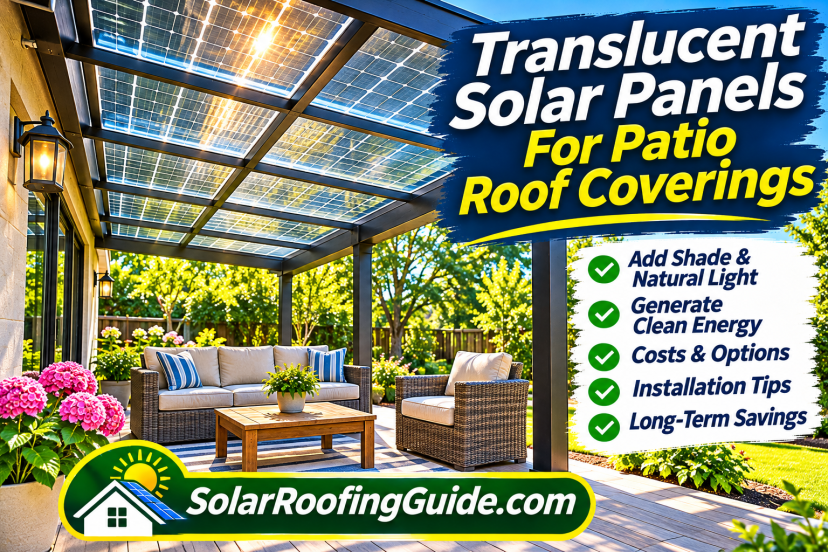
For U.S. homeowners, patios are becoming more than simple outdoor seating areas. They serve as outdoor dining rooms, relaxation spaces, and extensions of the home. Adding a solar patio roof can improve comfort while turning unused overhead space into a renewable energy source.
However, not every translucent solar panel is suitable for roofing. Homeowners must consider structural loads, waterproofing, panel efficiency, local building codes, and long-term maintenance. This guide explains seven important considerations to help you compare solar patio covers, estimate costs, and choose a practical solution.
☀️ Quick Answer: Translucent Solar Panels For Patio Roof Coverings
Translucent solar panels for patio roof coverings are photovoltaic modules that allow some daylight through while converting sunlight into electricity. They can be installed as part of an engineered patio cover, pergola, or solar canopy. Glass-glass solar modules with spaced photovoltaic cells are one option, but the panels and mounting system must be approved for overhead use. Costs are generally higher than standard patio roofing, and homeowners should compare light transmission, solar output, structural requirements, and weather protection before installing them.
Key Takeaways
Most Likely Cause: Patio solar projects become challenging because homeowners need both natural light and sufficient solar electricity production.
Usually Serious? Not necessarily, but unsuitable overhead panels or mounting systems can create structural, electrical, and water-leak risks.
First Thing To Check: Confirm your patio structure’s load capacity, sunlight exposure, and required roof coverage.
Best Solution: Choose translucent solar panels for patio roof coverings that are specifically approved for overhead installation, with engineered mounting and professional electrical connections.
🏡 1. Understand How Translucent Solar Patio Panels Work
Traditional photovoltaic panels contain solar cells that absorb sunlight and convert it into electricity.
Most conventional residential panels are opaque, meaning very little light passes through them.
Translucent solar panels work differently.
Some use conventional solar cells spaced apart between protective glass layers. Sunlight passes through the gaps while the cells generate electricity.
Other designs use specialized photovoltaic materials that transmit selected portions of visible light.
Translucent Vs. Transparent Solar Panels
These terms are often used interchangeably, but they are not identical.
-
Translucent Solar Panels: Allow some daylight through, often creating patterned light and shadows.
-
Semi-Transparent Solar Panels: Transmit a measurable portion of visible light while producing electricity.
-
Transparent Solar Technology: Uses specialized materials intended to preserve greater visibility, although many applications remain limited or emerging.
For residential patio roofs, glass-glass photovoltaic modules with spaced cells are generally more practical than experimental transparent solar technologies.
Why Light Transmission Matters
A panel with greater light transmission can make the patio brighter.
However, increasing the space between photovoltaic cells usually reduces the amount of electricity produced per square foot.
Homeowners should therefore compare both solar efficiency and visible light transmission.
🌤️ 2. Choose The Right Solar Patio Roof Design
The best solar patio design depends on how you use your outdoor space.
Some homeowners want maximum shade, while others prefer a bright, open atmosphere.
Popular Solar Patio Covering Options
| Patio Roof Option | Natural Light | Solar Electricity |
|---|---|---|
| Translucent Glass-Glass Solar Modules | Partial | Yes |
| Standard Opaque Solar Panels | Very Limited | Yes |
| Clear Polycarbonate Roofing | High | No |
| Traditional Solid Patio Roof | Limited | No |
| Mixed Solar And Clear Roofing | Adjustable By Layout | Yes |
Fully Integrated Solar Patio Roof
An integrated solar patio roof uses photovoltaic modules as part of the roof covering itself.
This can create a clean, modern appearance without requiring a separate conventional roof beneath the panels.
However, the system must be designed for overhead glazing, drainage, weather sealing, and safe structural support.
Ordinary rooftop solar panels should not automatically be treated as waterproof patio roofing.
Solar Pergola With Partial Coverage
A solar pergola may use panels over selected sections while leaving other areas open.
This approach provides a combination of shade, sunlight, and electricity production.
It may be especially attractive for patios where full weather protection is unnecessary.
Hybrid Solar And Transparent Roofing
Another option combines photovoltaic panels with transparent glass or polycarbonate roofing sections.
This arrangement allows homeowners to adjust the balance between natural daylight and solar output.
It can also be easier to design than a fully translucent photovoltaic roof, depending on available products.
📐 3. Calculate Solar Output And Patio Roof Size
Before purchasing translucent solar panels for patio roof coverings, estimate the usable roof area.
For example, a patio measuring 12 feet by 20 feet has approximately 240 square feet of overhead space.
However, structural framing, roof edges, drainage details, and module dimensions reduce the usable area.
Example Solar Production
Suppose an engineered patio roof accommodates a 2.5-kilowatt photovoltaic system.
If the installation produces approximately 1,400 kilowatt-hours annually per installed kilowatt, the estimated annual output would be:
2.5 kW × 1,400 = 3,500 kWh per year
Actual production depends on location, shading, panel orientation, module specifications, and system losses.
Translucent modules may produce less electricity per square foot than conventional opaque modules.
Factors That Affect Solar Performance
-
Roof Orientation: South-facing installations often provide strong annual production in the United States.
-
Panel Tilt: Roof angle influences sunlight exposure and drainage.
-
Tree Shading: Nearby branches can reduce electricity generation.
-
Light Transmission: Greater transparency may reduce power density.
-
Panel Temperature: Excessive heat can lower photovoltaic efficiency.
Use the NREL PVWatts Calculator to estimate solar production for your location.
💰 4. Compare Translucent Solar Patio Roof Costs
Translucent photovoltaic roofing is a specialty product.
Its price often reflects architectural glazing requirements, specialized mounting systems, and more complicated installation work.
Estimated Patio Solar Installation Costs
The following are illustrative project-planning ranges, not current contractor quotes.
| Patio Roofing Project | Approximate Budget |
|---|---|
| Standard Polycarbonate Patio Cover | $3,000–$8,000 |
| Conventional Solar Pergola | $8,000–$18,000 |
| Translucent Solar Patio Roof | $12,000–$30,000+ |
| Custom Architectural Solar Canopy | $20,000–$45,000+ |
Actual costs depend on dimensions, structural engineering, foundations, glass specifications, electrical work, and local labor rates.
Expenses Homeowners Often Overlook
-
Structural Engineering And Building Permits
-
Foundations And Support Columns
-
Electrical Wiring And Inverters
-
Waterproofing And Drainage Systems
-
Specialized Glazing And Mounting Hardware
-
Utility Interconnection And Inspections
For a reliable estimate, request itemized quotes that separate the patio structure from the photovoltaic equipment.
🔧 5. Plan A Safe Solar Patio Roof Installation
Installing translucent solar panels for patio roof coverings requires more than attaching photovoltaic modules to a pergola.
Because people sit, walk, and gather beneath the structure, overhead safety is especially important.
Seven Essential Installation Steps
-
Inspect The Existing Patio: Check dimensions, foundations, and structural condition.
-
Determine Roof Requirements: Decide whether the patio needs full rain protection or partial shade.
-
Select Approved Solar Modules: Verify that the panels are suitable for the intended overhead application.
-
Review Structural Loads: Have an engineer evaluate wind, snow, dead loads, and connection details.
-
Design Electrical Connections: Plan inverter placement, cable routing, grounding, and required protection.
-
Obtain Permits: Confirm local building, electrical, and utility requirements.
-
Arrange Professional Installation: Use qualified contractors and complete required inspections.
Why Overhead Glazing Safety Matters
Glass-glass photovoltaic panels may require specific safety-glazing configurations for overhead use.
Requirements depend on the installation, product approvals, and local building codes.
The design must also account for broken-glass retention, drainage, thermal movement, and weather exposure.
A solar module’s electrical certification alone does not prove that it is approved for use as overhead architectural glazing.
⚡ 6. Understand Solar Incentives And Long-Term Savings
A solar patio roof can reduce electricity purchases, but financial returns depend on the system’s cost and actual production.
Federal Solar Tax Credit Update For 2026
The former federal Residential Clean Energy Credit provided a 30% credit for qualifying residential solar installations.
However, the credit ended for installations completed after December 31, 2025.
Therefore, homeowners planning new residential solar patio installations in 2026 generally cannot claim that former federal credit.
State, local, and utility incentives may still be available.
Check the Database of State Incentives for Renewables & Efficiency for programs in your area.
Example Electricity Savings
Suppose your solar patio roof generates 3,500 kWh annually.
If each kilowatt-hour offsets electricity worth $0.18, the theoretical annual value would be:
3,500 × $0.18 = $630 per year
For a $15,000 installation, the simplified payback period would be approximately 23.8 years.
Actual savings may be lower or higher depending on electricity rates, export compensation, financing, and maintenance.
Additional Patio Comfort Benefits
Translucent solar roofing may also reduce direct sunlight on outdoor furniture and patio surfaces.
However, the amount of cooling depends on the panel’s solar heat transmission, ventilation, and design.
A brighter patio does not necessarily mean a cooler patio.
Homeowners interested in reducing household energy demand can also explore ENERGY STAR appliances and efficient outdoor lighting.
🛡️ 7. Protect Your Solar Patio Roof With Proper Maintenance
Solar patio roofs need regular inspections to remain safe and productive.
Because the modules also form part of an outdoor living structure, maintenance involves both electrical equipment and roofing components.
Recommended Maintenance Checklist
-
Inspect Glass Surfaces: Look for cracks, chips, or visible damage.
-
Check Drainage: Keep gutters and water channels clear.
-
Monitor Solar Output: Watch for unexpected production changes.
-
Inspect Seals: Have deteriorated weatherproofing repaired.
-
Check Structural Connections: Arrange professional inspections when movement or corrosion appears.
-
Follow Cleaning Instructions: Use approved methods and avoid unsafe access.
Understand Product Warranties
Many conventional solar panels carry performance warranties lasting 25 years or longer.
However, translucent architectural modules may have different warranty terms.
Check coverage for power output, glass breakage, water leakage, manufacturing defects, and installation workmanship.
Also confirm whether the structural patio roof and photovoltaic modules have separate warranties.
👷 When To Call A Professional
Contact a licensed solar installer, structural engineer, or qualified patio roofing contractor before installing photovoltaic roofing above an occupied outdoor space.
Professional help is especially important for custom glass roofing, existing pergolas, electrical connections, and locations exposed to heavy snow or strong winds.
Look for installers with relevant experience and consider NABCEP certification when evaluating solar expertise.
❓ Frequently Asked Questions
1. Can Translucent Solar Panels Be Used As Patio Roofing?
Yes, but only when the modules and supporting system are designed and approved for the intended overhead roofing application. Standard solar panels are not automatically suitable as waterproof patio covers.
2. How Much Light Passes Through Translucent Solar Panels?
Light transmission varies by product. Some modules use spaced solar cells to create partially transparent areas, while others use specialized photovoltaic materials. Always check the manufacturer’s visible light transmission specifications.
3. Are Transparent Solar Panels Less Efficient?
Many semi-transparent photovoltaic products produce less electricity per square foot than comparable opaque modules because some incoming light passes through rather than being absorbed. Actual performance depends on the technology.
4. How Much Does A Translucent Solar Patio Roof Cost?
A custom translucent solar patio roof may cost approximately $12,000–$30,000 or more as an illustrative planning range. Structural requirements, roof dimensions, and specialized glazing can significantly affect the price.
5. Do Translucent Solar Panels Provide Enough Shade?
They can provide useful shade, but the amount depends on cell spacing, transparency, and solar heat transmission. Homeowners seeking maximum shade may prefer opaque solar panels.
6. Can Solar Patio Panels Power A House?
Yes, solar patio panels can contribute electricity to a home’s electrical system. However, a typical patio roof may have limited space and may not generate enough electricity to cover all household consumption.
7. Are Translucent Solar Patio Roofs Waterproof?
Some integrated photovoltaic roofing systems are designed to provide weather protection. However, waterproofing depends on the complete roof assembly, including seals, flashing, drainage, and installation quality.
📌 Conclusion: Are Translucent Solar Patio Roofs Worth It?
Translucent solar panels for patio roof coverings offer a creative way to combine renewable electricity, outdoor shade, and natural daylight.
They can transform an ordinary patio into a more functional living space while contributing to household energy production.
However, homeowners should carefully compare transparency, solar efficiency, structural requirements, installation costs, and maintenance responsibilities.
For some properties, a custom translucent photovoltaic roof may provide the ideal balance between appearance and performance.
For others, a conventional solar pergola or hybrid roof combining opaque panels with transparent sections may deliver better value.
Before purchasing equipment, compare several solar patio designs, confirm overhead safety requirements, and request detailed installation quotes from qualified professionals.
The right solar patio roof should improve outdoor comfort, protect your investment, and generate useful electricity for years to come.
Disclaimer: Solar installation costs, incentives, building codes, and product requirements vary by location. Always consult licensed solar installers, qualified structural professionals, and local building authorities before beginning a solar patio roofing project.
Explore more: