Modular Tiny House Integrated Solar Roof Kits: 7 Smart Things To Know Before Buying
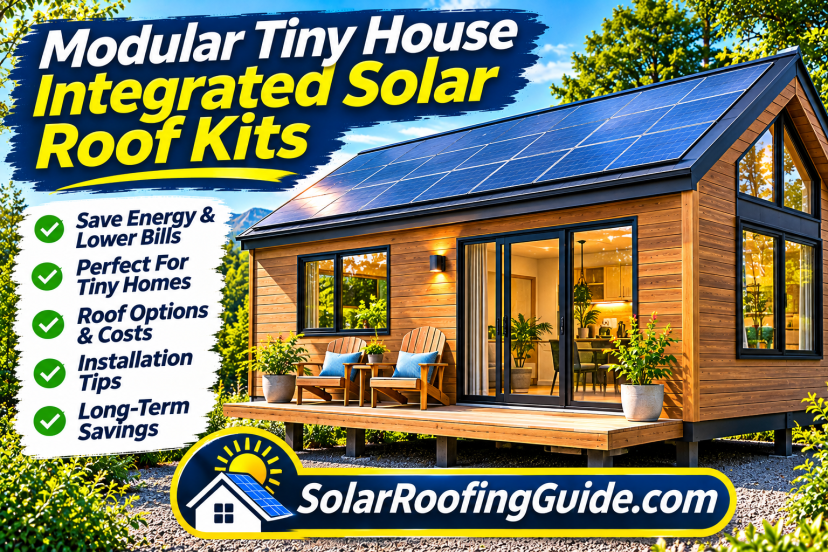
For Americans interested in tiny homes, modular construction, and energy independence, solar roofing offers an appealing opportunity. A well-designed solar system can reduce utility bills, support off-grid living, and make a small home more resilient during power outages when paired with appropriate battery backup equipment.
However, integrated solar roofing is not always the most affordable solution. Roof dimensions, installation complexity, equipment warranties, and battery requirements can significantly affect the final cost. Understanding these factors will help you compare solar roof kits, avoid expensive mistakes, and choose a system that makes financial and practical sense.
☀️ Quick Answer: Modular Tiny House Integrated Solar Roof Kits
Modular tiny house integrated solar roof kits combine solar electricity generation with roofing materials or roof-mounted components designed for compact homes. Building-integrated photovoltaic systems, often called BIPV, can replace portions of traditional roofing, while conventional solar kits mount panels above an existing roof. The best option depends on roof size, structural capacity, electricity demand, and budget. Homeowners should compare integrated solar shingles, low-profile panels, and battery-ready systems before purchasing.
Key Takeaways
Most Likely Cause: Solar installation challenges usually result from limited roof space, unusual modular construction, and higher equipment costs.
Usually Serious? Not necessarily, but incorrect mounting, poor waterproofing, or undersized electrical equipment can create expensive problems.
First Thing To Check: Measure usable roof space, review structural specifications, and calculate daily electricity consumption.
Best Solution: Choose modular tiny house integrated solar roof kits with compatible roofing components, properly sized electrical equipment, and professional installation support.
🏠 1. Understand How Integrated Solar Roof Kits Work
Traditional solar panels are installed above existing roofing materials using mounting rails and brackets.
Integrated solar roofing works differently.
Building-integrated photovoltaic systems replace part of the building envelope, allowing solar components to serve as both electricity-generating equipment and roofing materials.
This approach can be especially attractive for compact modular homes where appearance and roof space matter.
Common Solar Roofing Technologies
-
Solar Shingles: Photovoltaic roofing products designed to resemble conventional shingles.
-
Solar Roof Tiles: Individual solar roofing units that replace selected traditional tiles.
-
Low-Profile Solar Panels: Conventional photovoltaic modules mounted close to the roof surface.
-
Prefabricated Solar Roof Sections: Factory-designed roof assemblies that may incorporate solar equipment.
Not every product marketed as an integrated solar kit is a true BIPV system.
Some are simply conventional solar panels packaged with mounting hardware.
Understanding the difference helps homeowners compare prices and installation requirements accurately.
🔧 2. Compare The Best Solar Roof Options For Tiny Houses
Choosing the right solar roof depends on the home’s construction, roof shape, and intended use.
Solar Roof Kit Comparison
| Solar Option | Main Advantage | Main Limitation |
|---|---|---|
| Integrated Solar Shingles | Clean Roof Appearance | Higher Installation Cost |
| Solar Roof Tiles | Replaces Roofing Materials | Limited Product Compatibility |
| Low-Profile Solar Panels | Often More Affordable | Requires Existing Roofing |
| Prefabricated Solar Roof Assembly | Potential Factory Integration | Limited Availability |
| Ground-Mounted Solar | Flexible Placement | Requires Outdoor Space |
Integrated Solar Shingles
Solar shingles can provide a streamlined appearance that suits modern tiny homes.
They may be especially appealing when building a new modular home or replacing an aging roof.
However, installation requires compatible roofing components and qualified contractors.
Low-Profile Solar Panels
Low-profile conventional panels are often the more economical option.
They can provide strong electricity production without requiring a complete solar roofing system.
For many tiny houses, this approach offers a practical balance between cost, efficiency, and appearance.
Prefabricated Solar Roof Systems
Some modular home manufacturers may offer solar-ready roof designs or factory-integrated solar options.
These systems can simplify planning because the roof structure and solar equipment are considered together.
However, homeowners should confirm whether the manufacturer supplies complete electrical equipment or only solar-ready construction features.
📐 3. Calculate Solar Panel Space And Electricity Needs
Before purchasing modular tiny house integrated solar roof kits, determine how much electricity the home consumes.
Tiny homes often require less electricity than conventional houses, but electric heating, cooling, and water heating can substantially increase demand.
Example Daily Electricity Consumption
| Appliance | Estimated Daily Use |
|---|---|
| LED Lighting | 0.20 kWh |
| Energy-Efficient Refrigerator | 0.90 kWh |
| Laptop And Electronics | 0.40 kWh |
| Mini-Split Heating Or Cooling | 3.00 kWh |
| Cooking And Small Appliances | 1.00 kWh |
| Total | 5.50 kWh |
These figures are illustrative. Actual consumption varies by equipment, climate, and usage patterns.
Estimate Required Solar Capacity
A simple planning formula is:
Daily Solar Production = System Size × Peak Sun Hours × Performance Factor
For example:
2.5 kW × 4 peak sun hours × 0.75 = 7.5 kWh per day
This example assumes favorable sunlight and does not represent guaranteed year-round production.
Winter conditions, shading, roof orientation, and system losses can reduce output.
The NREL PVWatts Calculator can help estimate solar production for a specific U.S. location.
Why Roof Dimensions Matter
A tiny house may have enough total roof area for several panels, but vents, skylights, setbacks, and roof geometry reduce usable space.
A solar installer should create a layout using actual module dimensions rather than estimating capacity from roof area alone.
🔋 4. Choose Between Grid-Tied And Off-Grid Solar
The electrical design is just as important as the roofing materials.
Grid-Tied Solar Systems
Grid-connected systems generate electricity during daylight hours while maintaining access to utility power.
They can reduce electricity purchases, but standard grid-tied systems generally shut down during outages.
Backup operation requires compatible equipment designed to isolate the home safely from the grid.
Off-Grid Solar Systems
Off-grid systems rely on solar generation, battery storage, and sometimes backup generators.
They can work well for remote tiny homes without practical utility connections.
However, batteries must be sized for nighttime consumption and periods of limited sunlight.
Battery Storage Example
Suppose a tiny home consumes 5 kWh daily.
To provide approximately two days of backup electricity, the home needs about 10 kWh of usable stored energy before accounting for additional system losses.
The required nominal battery capacity depends on usable depth of discharge, inverter efficiency, and manufacturer specifications.
Lithium iron phosphate batteries are commonly used in residential storage systems, but homeowners should select appropriately listed equipment and follow temperature and installation requirements.
💰 5. Compare Solar Roof Kit Costs And Incentives
Integrated solar roofing can cost more than conventional rooftop solar because the system includes specialized roofing materials and installation requirements.
Estimated Solar Installation Costs
The following figures are illustrative planning ranges, not verified current contractor prices.
| System Type | Approximate Cost |
|---|---|
| Conventional 2–3 kW Solar Kit | $3,000–$7,000 |
| Professionally Installed 2–3 kW Solar | $6,000–$12,000 |
| Integrated Solar Roofing System | $12,000–$25,000+ |
| Battery Storage Addition | $4,000–$12,000+ |
Costs depend on equipment, roof dimensions, electrical upgrades, installation labor, and permitting.
A complete integrated roof replacement may cost substantially more than a small solar array.
Federal Solar Tax Credit In 2026
The federal Residential Clean Energy Credit previously offered a 30% tax credit for qualifying residential solar installations.
However, under legislation enacted in 2025, the credit ended for residential installations completed after December 31, 2025.
Homeowners planning new solar installations in 2026 should therefore not include the former federal credit in their financial calculations.
State rebates, utility programs, and local incentives may still be available.
Check the Database of State Incentives for Renewables & Efficiency for programs in your area.
🛠️ 6. Follow A Safe Solar Roof Installation Process
Installing modular tiny house integrated solar roof kits requires coordination between roofing, structural, and electrical work.
This is particularly important for factory-built homes, where roof modifications may affect manufacturer warranties or transportation requirements.
Seven Essential Installation Steps
-
Inspect The Roof Structure: Confirm allowable loads and attachment requirements.
-
Calculate Electricity Demand: Estimate daily consumption and seasonal peaks.
-
Choose Compatible Roofing Products: Verify manufacturer approval for the roof assembly.
-
Design The Electrical System: Select appropriately sized inverters, batteries, and protective equipment.
-
Obtain Permits: Confirm local building, electrical, and utility requirements.
-
Arrange Qualified Installation: Use experienced roofing and solar professionals.
-
Complete Inspections: Obtain required approvals before operating the system.
Special Considerations For Mobile Tiny Houses
Tiny houses on wheels may face additional challenges.
Roof-mounted equipment must withstand transportation forces, vibration, and clearance restrictions.
Electrical requirements may also differ depending on whether the structure is classified as a recreational vehicle, park model, or permanent dwelling.
Always verify the applicable standards before modifying a mobile tiny home.
📈 7. Calculate Long-Term Savings And Maintenance
Solar roofing can reduce electricity expenses, but the financial return depends on installation costs and electricity production.
Example Solar Savings
Suppose a tiny house solar system produces 3,500 kWh annually.
If each kilowatt-hour offsets electricity worth $0.18, the theoretical annual value would be:
3,500 × $0.18 = $630 annually
For a $9,000 installation, the simplified payback period would be approximately 14.3 years.
Actual savings depend on electricity rates, self-consumption, export compensation, financing, and maintenance.
Maintenance And Warranty Tips
-
Monitor Production: Check system output for unexpected declines.
-
Inspect Roofing: Look for leaks, damaged shingles, or loose components.
-
Maintain Batteries: Follow manufacturer operating and temperature requirements.
-
Check Electrical Equipment: Arrange professional inspections when problems appear.
-
Review Warranties: Understand coverage for power production, roofing materials, and workmanship.
Many photovoltaic products offer performance warranties lasting 25 years or longer, but roofing and installation warranties may have different terms.
Homeowners should also consider ENERGY STAR appliances to reduce electricity demand and make better use of limited solar capacity.
👷 When To Call A Professional
Contact a licensed solar installer, roofing contractor, or structural engineer before installing integrated solar roofing on a modular tiny home.
Professional guidance is especially important when modifying factory-built roof assemblies, installing battery storage, or connecting the system to the electrical grid.
Look for contractors with relevant experience and consider NABCEP certification when evaluating solar professionals.
❓ Frequently Asked Questions
1. Can You Install Solar Roof Tiles On A Tiny House?
Yes. Some tiny houses can accommodate solar roof tiles when the roofing system, structure, and electrical design are compatible. Professional evaluation is important before installation.
2. How Many Solar Panels Does A Tiny House Need?
A small tiny house may need approximately four to eight modern solar panels, depending on electricity consumption, panel wattage, and sunlight conditions. Homes using electric heating may require more capacity.
3. Are Integrated Solar Roof Kits Better Than Regular Panels?
Not always. Integrated solar roofing offers a streamlined appearance, but conventional panels often provide better value and greater installation flexibility.
4. Can A Tiny House Run Completely On Solar Power?
Yes, if the solar array, battery storage, and backup equipment are properly sized. Seasonal sunlight and high electricity demand can make year-round off-grid operation more challenging.
5. How Much Does An Integrated Solar Roof Cost For A Tiny House?
An integrated solar roofing project may cost approximately $12,000–$25,000 or more as a broad planning estimate. Final pricing depends on roof design, materials, system capacity, and installation requirements.
6. Do Solar Roof Kits Include Batteries?
Some kits include batteries, but many do not. Homeowners should confirm whether the package includes panels, inverters, mounting hardware, electrical protection, and storage equipment.
7. Can You Install Solar Panels On A Tiny House On Wheels?
Yes, but the mounting system must account for vibration, transportation loads, roof clearance, and applicable vehicle or building standards. Professional design is recommended.
📌 Conclusion: Are Integrated Solar Roof Kits Worth It For Tiny Houses?
Modular tiny house integrated solar roof kits offer an appealing way to combine renewable energy, compact construction, and modern roofing design.
They can help homeowners reduce electricity purchases, improve energy independence, and make better use of limited roof space.
However, integrated solar roofing is not automatically the most affordable choice.
For many tiny homes, conventional low-profile solar panels provide similar electricity benefits at a lower installation cost.
Homeowners should compare roof compatibility, energy production, battery requirements, warranties, and total project expenses before making a decision.
Before purchasing a solar roof kit, calculate your electricity needs, review your tiny home’s structural specifications, and request detailed quotes from qualified solar and roofing professionals.
A carefully selected solar system can make your tiny home more efficient, comfortable, and resilient for years to come.
Disclaimer: Solar installation costs, incentives, permits, and building requirements vary by location. Always consult licensed solar installers, qualified roofing professionals, and local building authorities before beginning installation.
Explore more: