How To Choose The Best Solar Setup For My House: 9 Things Every Homeowner Should Check
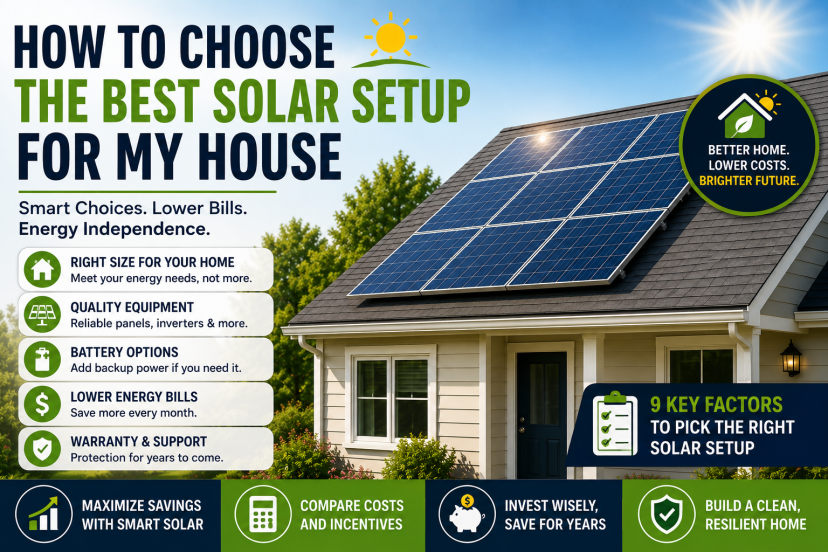
Solar can dramatically change the way your home uses electricity, but getting the best results isn’t simply a matter of covering every available inch of roof with panels. If you’re asking how to choose the best solar setup for my house, the right answer starts with your electricity use, roof condition, sunlight, utility rates, budget, and plans for the future.
A homeowner focused primarily on lowering monthly electricity bills may need a very different system from someone who wants backup power during outages. Likewise, a sunny south-facing roof may work well with a simple string inverter, while a home with shade and multiple roof sections may benefit from microinverters or power optimizers.
The good news is that you don’t need to become a solar engineer to make a smart decision. By understanding a few important factors before requesting quotes, you can avoid unnecessary equipment, compare proposals more confidently, and choose a solar system built for long-term value.
⚡ Quick Answer: How To Choose The Best Solar Setup For My House
To determine how to choose the best solar setup for my house, start by reviewing 12 months of electricity consumption and deciding how much of that usage you want solar to offset. Next, evaluate your roof’s condition, orientation, shading, and available space. Compare solar panels, inverter types, battery options, warranties, estimated annual production, and total installed costs before choosing a system.
Key Takeaways
Most likely cause: Choosing solar becomes confusing because homeowners are comparing different system sizes, panel brands, inverter technologies, batteries, warranties, financing options, and production estimates.
Usually serious? No, but choosing an oversized, undersized, or poorly designed system can reduce long-term savings and make future upgrades more expensive.
First thing to check: Review 12 months of electricity bills, your roof condition, usable roof area, shading, utility rates, and whether you want backup power.
Best solution: When deciding how to choose the best solar setup for my house, compare complete systems based on expected annual electricity production, equipment quality, roof compatibility, warranty protection, and total lifetime cost.
☀️ 1. Start With Your Household Electricity Use
Solar systems should be sized around electricity consumption rather than simply the square footage of a house.
Pull out your utility bills and look at how many kilowatt-hours (kWh) you consumed during the previous 12 months.
Annual usage gives a solar installer a much better starting point than your average monthly bill because electricity consumption often changes dramatically between summer and winter.
Two 2,000-square-foot homes can have completely different electricity needs.
One might have gas heating, gas water heating, and no electric vehicle. The other could have a heat pump, electric water heater, swimming pool, and two EVs.
Also think about changes you expect during the next several years.
You might eventually add:
- An Electric Vehicle
- A Heat Pump
- Electric Water Heating
- A Pool Or Hot Tub
- A Home Addition
- Battery Storage
Planning for realistic future electricity use can help prevent your solar system from becoming undersized shortly after installation.
🏠 2. Check Whether Your Roof Is Ready For Solar
Your roof is the foundation of a rooftop solar installation.
Before spending thousands of dollars on panels, determine whether the roofing underneath them has enough remaining service life.
Look for problems such as:
- Missing Or Damaged Shingles
- Cracked Tiles
- Active Leaks
- Deteriorated Flashing
- Soft Or Damaged Roof Decking
- Sagging Areas
- Significant Storm Damage
If your roof is approaching replacement age, completing the roofing work before installing solar may be more economical.
Otherwise, you could eventually pay to remove the panels, replace the roof, and reinstall the solar array.
Which Roofing Materials Work With Solar?
Solar panels can be installed on many common roofing systems, including asphalt shingles, standing-seam metal, tile, and certain flat or low-slope roofs.

Standing-seam metal roofing is particularly solar-friendly because compatible clamps can often attach to the raised seams.
Tile roofs can also support solar, but mounting generally requires specialized techniques to prevent broken tiles and water intrusion.
The best solar setup should work with your roof rather than compromise it.
🧭 3. Evaluate Sunlight, Roof Direction And Shade
Solar panels don’t need a perfectly south-facing roof to produce useful electricity.
In the U.S., south-facing arrays often provide strong annual production, but east- and west-facing roofs can also work well.
Roof pitch, latitude, local climate, and utility rate structure all influence the ideal layout.
Shade deserves special attention.
Potential sources include:
- Large Trees
- Chimneys
- Dormers
- Nearby Buildings
- Utility Structures
- Other Roof Sections
Even partial shade can affect solar production.
Professional solar design software can model expected shading throughout the year, providing a much better estimate than simply looking at the roof during one sunny afternoon.
📏 4. Choose The Right Solar System Size
One of the most important parts of learning how to choose the best solar setup for my house is understanding that bigger isn’t always better.
Suppose your household consumes 9,000 kWh annually.
That doesn’t automatically mean you need a 9-kW solar system. Kilowatts measure power capacity, while kilowatt-hours measure energy consumption or production.
The annual electricity generated by an array depends on factors including:
- System Capacity
- Geographic Location
- Panel Orientation
- Roof Pitch
- Shading
- Weather
- Equipment Efficiency
- System Losses
Your utility’s rules also matter.
If compensation for excess solar electricity is relatively low, installing significantly more capacity than you can economically use may lengthen the payback period.
Ask installers to provide estimated annual production in kWh—not just system capacity in kW.
🔆 5. Compare Solar Panel Types And Efficiency
Most modern residential installations use monocrystalline solar panels.

These panels offer good efficiency and are especially useful when roof space is limited.
But don’t assume that the most efficient panel is automatically the best financial choice.
A premium high-efficiency module might make sense on a small roof where every square foot matters. On a large, unobstructed roof, a less expensive panel with slightly lower efficiency may provide better overall value.
Compare:
- Panel Efficiency
- Rated Wattage
- Physical Size
- Product Warranty
- Performance Warranty
- Temperature Characteristics
- Manufacturer Track Record
- Cost Per Watt
Solar panels typically lose some production capability gradually over time, so examine the manufacturer’s performance warranty as well as the initial efficiency rating.
🔌 6. Pick The Right Solar Inverter
The inverter converts the DC electricity produced by your panels into AC electricity used by your home.
Three common residential approaches are available.
String Inverter
Multiple panels connect to one centralized inverter.
String inverters can offer excellent value on simple roofs with consistent sunlight and panels facing similar directions.
String Inverter With Power Optimizers
Power optimizers are installed at individual panels and work with a central inverter.

They can provide panel-level monitoring and help manage varying panel conditions.
Microinverters
A small inverter operates at each solar panel.
Microinverters can be especially useful when panels face different directions or experience different amounts of shading.
| Inverter Type | Best For | Relative Cost | Shade Flexibility | Expansion |
|---|---|---|---|---|
| String Inverter | Simple Sunny Roof | $ | Moderate | Good |
| String + Optimizers | Mixed Conditions | $$ | Very Good | Good |
| Microinverters | Complex/Shaded Roof | $$$ | Excellent | Excellent |
Don’t choose an inverter solely because one technology is newer or more expensive. Match the equipment to the roof.
🔋 7. Decide Whether You Actually Need A Solar Battery
Batteries have become one of the most talked-about parts of residential solar, but not every homeowner needs one.
If your primary goal is reducing electricity bills, a grid-connected system without batteries may provide a more affordable starting point.
A battery becomes more attractive when you want:
- Backup Power During Outages
- Greater Energy Independence
- More Control Over Solar Electricity
- Time-Of-Use Rate Management
- Increased Household Resilience
Remember that ordinary grid-connected solar panels generally shut down during utility outages for safety.
Solar alone therefore doesn’t necessarily provide backup electricity.
A properly designed battery system needs compatible equipment capable of safely isolating your house from the utility grid during an outage.
If you don’t want a battery today but might add one later, discuss future compatibility with your installer.
💰 8. Compare Solar Costs The Right Way
Don’t choose a solar contractor based solely on the lowest total price.

Different quotes may contain different system capacities.
Instead, compare factors such as:
Installed Cost Per Watt = Total Installed Price ÷ Solar System Wattage
For example, a larger system will naturally cost more than a smaller system even if it provides better value per watt.
But cost per watt shouldn’t be your only comparison.
Also examine:
- Expected Annual kWh Production
- Equipment Brands
- Inverter Technology
- Workmanship Warranty
- Roof Penetration Warranty
- Monitoring
- Financing Charges
- Battery Equipment
- Electrical Upgrades
- Estimated Long-Term Savings
Be cautious about extremely optimistic savings projections.
Future electricity prices are uncertain, so conservative estimates are generally more useful for planning.
💵 9. Check Solar Incentives Before Signing A Contract
Available incentives can materially affect the cost of residential solar.
Eligible U.S. homeowners may qualify for federal clean-energy tax incentives for qualifying solar installations under applicable tax law.
Depending on where you live, additional incentives could include:
- State Solar Rebates
- Utility Incentives
- Battery Rebates
- Property Tax Benefits
- Sales Tax Exemptions
- Local Renewable-Energy Programs
Programs and eligibility requirements can change, so verify current rules before making financial decisions.
Also, don’t assume your entire roof replacement qualifies for a federal solar tax credit simply because you’re installing solar panels. Roofing and solar tax treatment can differ. Verify eligibility through current government guidance or a qualified tax professional.
📊 Grid-Tied Vs Solar Battery Vs Off-Grid
| Solar Setup | Upfront Cost | Best For | Outage Backup | Complexity |
|---|---|---|---|---|
| Grid-Tied Solar | Lowest | Lowering Electricity Bills | Usually No | Low |
| Solar + Battery | Higher | Savings + Resilience | Yes* | Moderate–High |
| Off-Grid Solar | Highest | Remote/Independent Homes | Yes | High |
*Backup capability depends on system design, battery capacity, equipment, and electrical configuration.
For most suburban U.S. homeowners who already have reliable utility service, grid-tied solar is generally the simplest starting point.
📈 How To Maximize Long-Term Solar Savings
The best solar system is one that performs reliably for years—not simply the system offering the lowest upfront price.
To improve long-term value:
- Reduce Electricity Waste First: Efficiency upgrades may allow you to install fewer panels.
- Avoid Unnecessary Oversizing: Match system production to realistic needs.
- Compare Multiple Quotes: Pricing and equipment can vary significantly.
- Consider Future Energy Use: Plan for EVs or electrification when appropriate.
- Choose Reliable Equipment: Strong warranties and manufacturer support matter.
- Review Financing Carefully: Interest and dealer fees can change project economics.
- Monitor Production: Catch performance problems early.
Solar can be a long-term investment, so small differences in design quality can matter over many years.
🛡️ Compare Solar And Roofing Warranties
Warranty protection is easy to overlook when comparing attractive solar proposals.
Solar panels may include separate product and performance warranties. Inverters, optimizers, microinverters, batteries, mounting systems, and workmanship may each have their own coverage.
Ask your installer:
- Who Handles Warranty Claims?
- Is Labor Included?
- Are Shipping Costs Covered?
- What Happens If The Installer Closes?
- Is Roof Penetration Covered?
- Can The Warranty Transfer To A New Homeowner?
- Does Solar Installation Affect My Existing Roof Warranty?
Get important promises in writing rather than relying on verbal assurances.
🔧 Solar Installation And Maintenance Tips
A well-installed residential solar system typically requires relatively little routine maintenance.
After installation, monitor system production and watch for unexpected changes.
Potential issues include:
- New Tree Shade
- Storm Damage
- Inverter Errors
- Electrical Faults
- Animal Damage
- Roof Problems
- Excessive Debris
Panels may occasionally require cleaning in areas with heavy dust, pollen, bird activity, or limited rainfall.
Don’t climb onto the roof simply to clean the panels unless you have appropriate training and safety equipment. Falls are a much greater concern than a small temporary production loss from ordinary dust.
👷 When To Call A Professional
Contact a qualified solar installer or licensed electrician when designing, connecting, expanding, or troubleshooting a residential solar system.
You should also call a licensed roofer before solar installation if your roof is leaking, visibly damaged, sagging, or approaching the end of its expected service life.
Ideally, have the roof and solar system evaluated together. This can help prevent mounting problems, warranty conflicts, leaks, and the expense of removing panels for an avoidable roof replacement.
❓ Frequently Asked Questions
How Do I Know What Solar System Is Best For My House?
Start with your annual electricity consumption, roof condition, sunlight, shading, budget, utility rates, and backup-power needs. Then compare system designs based on estimated annual kWh production rather than panel count alone.
How Many Solar Panels Do I Need To Power My House?
The number depends on annual electricity use, panel wattage, local sunlight, roof orientation, shading, and your desired electricity offset. A professional solar model can estimate the appropriate array size.
What Size Solar System Does The Average House Need?
There isn’t one ideal size for the average home. Electricity consumption varies widely depending on climate, heating, cooling, household size, appliances, EV charging, and other factors.
Is It Better To Have More Solar Panels Than You Need?
Not necessarily. Oversizing may make sense in some situations, particularly when future electricity consumption is expected to increase. However, poor compensation for exported electricity can reduce the financial benefit of excessive capacity.
What Type Of Solar Panel Is Best For A House?
Monocrystalline panels are widely used for residential solar because of their strong efficiency and space utilization. The best panel also depends on price, dimensions, warranty, climate performance, and manufacturer support.
Is Solar Worth It Without A Battery?
It can be. Many homeowners install grid-connected solar without batteries to reduce electricity purchases. Battery storage is more important when backup power, resilience, or specific utility rate strategies are priorities.
Should I Replace My Roof Before Installing Solar Panels?
If your roof is nearing replacement age or has significant damage, replacing it before installing solar can often make sense. Otherwise, you may have to pay to remove and reinstall the panels when the roof eventually needs replacement.
📌 Conclusion: Choosing The Best Solar Setup For Your House
Learning how to choose the best solar setup for my house isn’t about finding one universally superior panel, inverter, or battery.
The best system is the one designed around your actual home.
Start with 12 months of electricity bills. Evaluate your roof condition, shading, orientation, available space, utility rates, and future electricity needs. Then compare solar proposals based on expected annual production, equipment quality, warranties, total installed cost, and realistic long-term savings.
A straightforward grid-tied system may provide the best value if reducing electricity costs is your priority. Microinverters or optimizers can make sense for complicated roofs, while battery storage may be worth considering when outage protection and resilience are important.
Before signing a contract, request multiple solar quotes and consider having your roof professionally inspected. Coordinating the roof and solar system from the beginning can help you avoid unnecessary costs and create a more efficient, durable, and resilient home for years to come.
Disclaimer: Solar prices, electricity savings, tax incentives, rebates, utility policies, and installation requirements vary by location and can change. Always verify current programs and consult qualified solar, electrical, roofing, and tax professionals before making installation or financial decisions.
 Explore more:
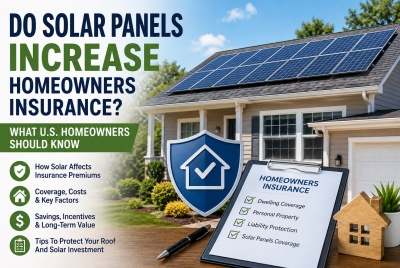
- Do Solar Panels Increase Homeowners Insurance?
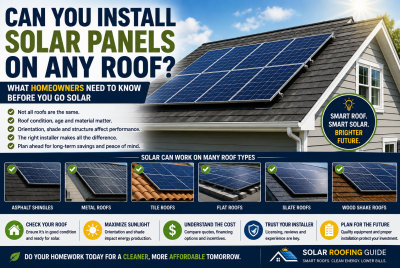
- Can You Install Solar Panels On Any Roof?
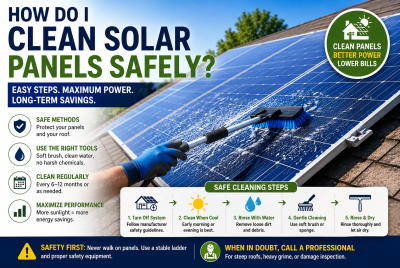
- How Do I Clean Solar Panels Safely?