Best Home Solar Kit In 2026: Smart Solar Solutions For Energy-Efficient Homes
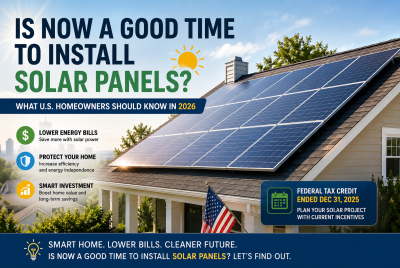
If rising energy bills, frequent power outages, or growing concerns about home efficiency have you thinking about solar power, you’re not alone. More U.S. homeowners are searching for the best home solar kit to reduce monthly utility costs, increase energy independence, and create a smarter, more resilient home.
Today’s solar kits are easier to install, more affordable, and more efficient than ever before. Whether you want a complete off-grid setup, a hybrid backup system, or a simple starter kit for your roof, choosing the right system can help protect your home while lowering long-term energy costs.
Quick Answer
The best home solar kit for most homeowners in 2026 combines:
- High-efficiency solar panels
- A reliable inverter
- Battery backup compatibility
- Roof-friendly mounting systems
- Strong manufacturer warranties
- Federal Solar Tax Credit eligibility
For grid-tied homes, hybrid solar kits with battery storage offer the best balance between savings, resilience, and long-term value.
☀️ Why Homeowners Are Choosing Solar Kits In 2026
The demand for the best home solar kit continues to grow across the U.S. for several reasons:
- Rising electricity costs
- Increased power outages
- Improved solar technology
- Federal and state incentives
- Better battery storage systems
- Eco-friendly home improvement trends
Many homeowners now view solar roofing and energy systems as long-term investments rather than luxury upgrades.
Key Benefits Of Home Solar Kits
Lower Monthly Energy Bills
A properly sized solar kit can significantly reduce your electricity costs. In sunny states, some homeowners offset most of their utility bills.
Better Energy Independence
Solar systems with battery backup can help keep essential appliances running during outages.
Increased Home Value
Studies continue to show that solar-equipped homes often attract buyers and may sell faster in competitive markets.
Cleaner Energy Production
Solar energy reduces dependence on fossil fuels and supports more sustainable living.
Long-Term Savings
Although upfront costs can be substantial, many homeowners recover their investment over time through energy savings and incentives.
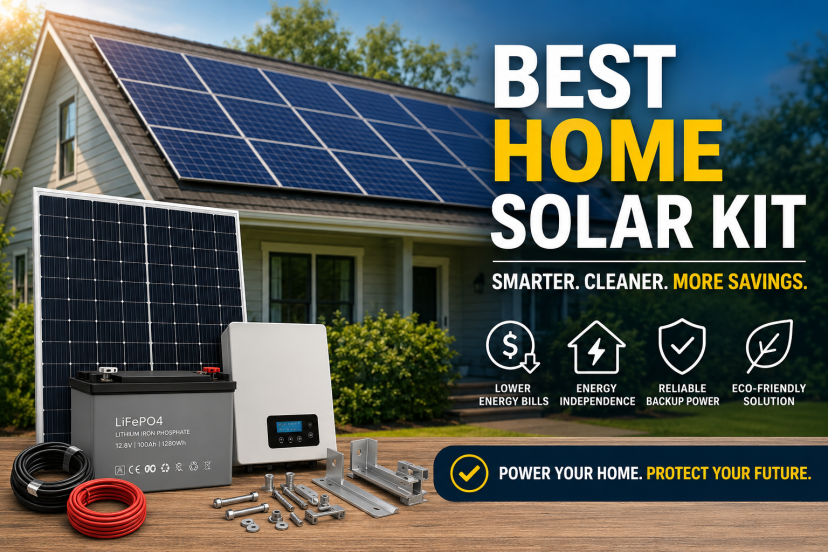
🔋 What Is Included In The Best Home Solar Kit?
Most complete home solar kits include several major components.
| Component | Purpose |
|---|---|
| Solar Panels | Capture sunlight and generate electricity |
| Inverter | Converts solar energy into usable home electricity |
| Mounting Hardware | Secures panels to the roof |
| Battery Storage | Stores extra energy for later use |
| Charge Controller | Regulates battery charging |
| Monitoring System | Tracks system performance |
Some premium solar kits also include smart home integration and mobile app controls.
Types Of Solar Kits
Grid-Tied Solar Kits
These connect directly to the utility grid. They are popular because they:
- Lower electric bills
- Qualify for many incentives
- Require less battery storage
Off-Grid Solar Kits
These operate independently from the power grid and rely heavily on battery systems.
Best for:
- Remote homes
- Cabins
- Emergency preparedness
Hybrid Solar Kits
Hybrid systems combine grid access with battery backup.
Many experts consider hybrid systems the best home solar kit option for modern homeowners because they provide:
- Energy savings
- Backup protection
- Greater flexibility
🏠 Roof Compatibility And Solar Installation
Before installing a solar kit, homeowners should evaluate the roof condition and compatibility.
Best Roof Types For Solar Panels
Solar systems work best on:
- Asphalt shingle roofs
- Metal roofs
- Standing seam metal roofing
- Flat roofs with proper mounting systems
Roof Factors That Matter
Roof Age
If your roof is nearing the end of its lifespan, replacing it before solar installation may save money later.
Roof Direction
South-facing roofs generally receive the most sunlight in the U.S.
Roof Shade
Trees, chimneys, and nearby buildings can reduce solar efficiency.
Roof Pitch
Moderate roof angles often produce the best energy output.
💰 Best Home Solar Kit Costs In 2026
Solar kit prices vary widely depending on:
- System size
- Battery capacity
- Panel efficiency
- Installation complexity
- Roofing requirements
Typical Cost Ranges
| System Type | Average Cost Before Incentives |
|---|---|
| Small Starter Kit | $3,000–$8,000 |
| Mid-Size Grid-Tied System | $10,000–$20,000 |
| Hybrid Solar Kit | $18,000–$35,000 |
| Full Off-Grid Setup | $30,000+ |
Installation costs may increase if roof repairs or electrical upgrades are needed.
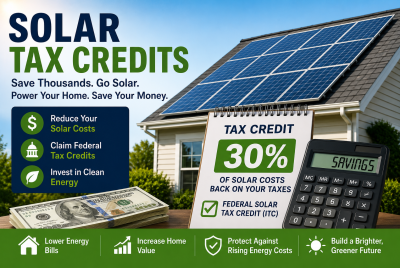
Federal Solar Tax Credit
The Federal Solar Investment Tax Credit (ITC) remains one of the biggest incentives for U.S. homeowners.
Eligible systems may qualify for a percentage tax credit on:
- Solar panels
- Batteries
- Installation labor
- Electrical equipment
Many states also offer:
- Local rebates
- Net metering programs
- Property tax exemptions
Always check local utility and state incentive programs before purchasing a system.
⚡ How Much Energy Can A Solar Kit Produce?
The amount of electricity produced depends on:
- Sun exposure
- System size
- Panel efficiency
- Climate conditions
Typical Production Estimates
| System Size | Estimated Annual Output |
|---|---|
| 5 kW System | 6,000–8,000 kWh |
| 8 kW System | 10,000–13,000 kWh |
| 10 kW System | 12,000–16,000 kWh |
Homes with high electricity usage may require larger systems or battery storage.
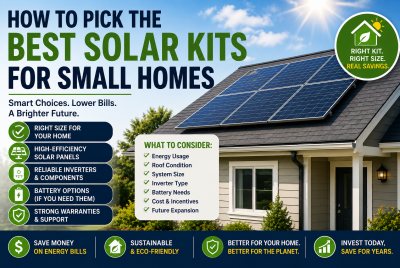
🔍 How To Choose The Best Home Solar Kit
Choosing the best home solar kit depends on your goals, budget, and home layout.
1. Determine Your Energy Usage
Review past electric bills to estimate monthly consumption.
Look for:
- Seasonal changes
- High-demand appliances
- EV charging needs
2. Evaluate Roof Condition
A damaged or aging roof may need repairs before installation.

3. Compare Solar Panel Efficiency
Higher-efficiency panels can generate more power using less roof space.
Common Panel Types
| Panel Type | Pros | Cons |
|---|---|---|
| Monocrystalline | High efficiency | Higher cost |
| Polycrystalline | Lower cost | Slightly less efficient |
| Thin-Film | Lightweight | Lower output |
Monocrystalline panels are often recommended in the best home solar kit systems due to better performance.
4. Consider Battery Storage
Battery systems help homeowners:
- Store excess power
- Reduce grid dependence
- Improve outage protection
Popular battery options now support:
- Smart energy management
- App monitoring
- Backup power prioritization
5. Check Warranties
Strong warranties can provide peace of mind.
Look for:
- 20–25 year panel warranties
- Battery coverage
- Roof penetration warranties
- Inverter protection
🌎 Smart Solar Roofing Trends In 2026
Modern solar roofing solutions now focus on efficiency, resilience, and smart home integration.
Integrated Solar Roof Systems
Some systems combine roofing materials and solar technology into a single design.
Benefits include:
- Cleaner appearance
- Better curb appeal
- Improved weather resistance
AI Energy Monitoring
New monitoring systems can:

- Track energy usage
- Optimize battery charging
- Predict energy production
Energy-Efficient Roofing Materials
Cool roofing materials and Energy Star-rated products can improve solar performance by reducing roof heat.
🔧 Maintenance Tips For Solar Roofing Systems
Most modern solar systems require relatively little maintenance.
Helpful Maintenance Practices
- Clean debris from panels
- Trim nearby tree branches
- Monitor system performance
- Inspect roof seals annually
- Schedule professional inspections
Solar panels typically degrade slowly over time, often maintaining strong performance for decades.
📊 Best Home Solar Kit Vs Traditional Utility Power
| Feature | Solar Kit | Traditional Utility |
|---|---|---|
| Monthly Costs | Lower long-term | Ongoing utility bills |
| Power Outage Protection | Possible with batteries | Limited |
| Environmental Impact | Lower emissions | Higher emissions |
| Energy Independence | Higher | Lower |
| Upfront Cost | Higher | Lower |
For many homeowners, solar becomes more attractive as utility prices continue rising.
🛠️ DIY Solar Kit Vs Professional Installation
Some homeowners consider DIY solar installation to reduce costs.
DIY Advantages
- Lower labor expenses
- Greater project control
- Learning opportunity
DIY Challenges
- Roof safety risks
- Permit requirements
- Electrical complexity
- Warranty limitations
Professional installation often provides:
- Better warranty protection
- Code compliance
- Faster setup
- Roof integrity assurance
👷 When To Call A Professional
Homeowners should contact a certified solar or roofing installer when:
- The roof requires repairs
- Electrical upgrades are needed
- Battery systems are involved
- Local permits are required
- Roof angles or shading are complex
A professional solar assessment can help determine the safest and most cost-effective setup for your home.
❓ FAQs About The Best Home Solar Kit
What Is The Best Home Solar Kit For Beginners?
Grid-tied starter kits are often the easiest option for beginners because they are simpler to install and require fewer batteries.
How Long Do Solar Panels Last?
Most solar panels last 25–30 years or longer with proper maintenance.
Can Solar Panels Damage My Roof?
When installed correctly by professionals, solar panels generally do not damage roofs. Proper flashing and mounting systems help protect against leaks.
Are Solar Batteries Worth It?
Battery systems can provide backup power during outages and improve energy independence, especially in areas with unreliable grids.
Do Solar Panels Work During Cloudy Weather?
Yes, solar panels still generate electricity during cloudy conditions, though output may be reduced.
How Much Can I Save With A Home Solar Kit?
Savings vary by location, electricity rates, and system size, but many homeowners save thousands over the life of the system.
What Incentives Are Available For Solar In The U.S.?
Homeowners may qualify for:
- Federal Solar Tax Credit
- State rebates
- Utility incentives
- Net metering programs
Availability depends on location and local regulations.
✅ Final Thoughts
Choosing the best home solar kit is about more than lowering utility bills. It is about creating a smarter, more energy-efficient, and more resilient home for the future.
Today’s solar systems offer homeowners:
- Better technology
- Stronger warranties
- Improved roof compatibility
- Long-term energy savings
- Backup protection during outages
Whether you are planning a full solar roofing upgrade or exploring a smaller starter system, taking the time to compare options carefully can help you maximize your investment.
If your roof is aging or your energy costs continue rising, now may be the perfect time to explore solar solutions or request a professional roof and solar assessment.
Disclaimer: Solar pricing, tax incentives, rebates, and installation requirements vary by location. Always consult a licensed solar installer or roofing professional before making major home energy decisions.
 Explore more: