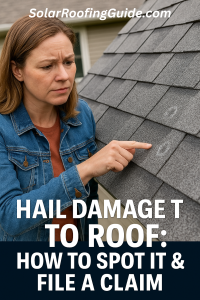
Hail Damage To Roof: How To Spot It & File A Claim (Homeowner’s Step-By-Step Guide)
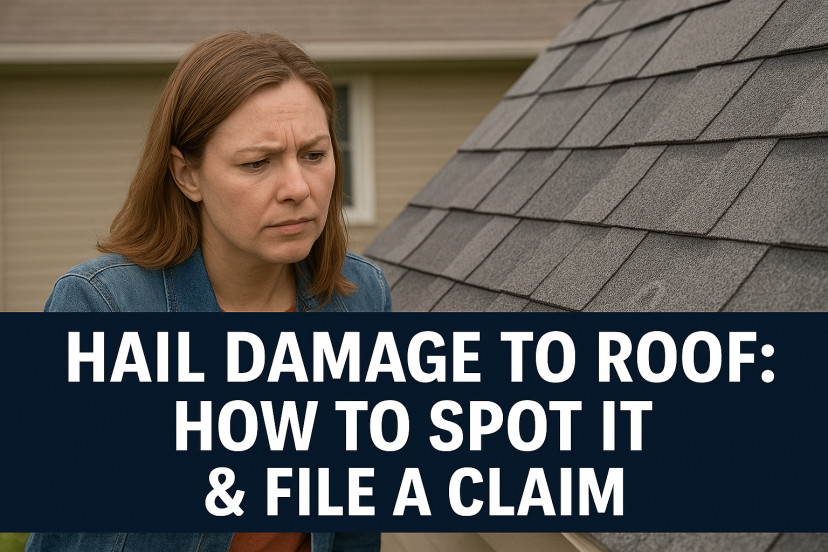
🏠 One Storm Can Quietly Wreck Your Roof — And Your Energy Savings
Hailstorms are becoming more frequent and severe across many parts of the U.S. After the noise fades and the skies clear, many homeowners breathe a sigh of relief—only to discover months later that hail damage roof issues were hiding in plain sight.
Even minor hail impacts can weaken roofing materials, reduce insulation performance, and create small entry points for moisture. Over time, this leads to leaks, mold, rising energy bills, and complications for solar panel installations.
In this guide, you’ll learn how to visually spot hail damage, understand roof hail dents, and follow a step-by-step hail insurance claim roofing process—so you can protect your home, your budget, and your long-term energy goals.
💡 Why Hail Damage To Roof Issues Should Never Be Ignored
Hail damage isn’t always dramatic, but it’s almost always progressive.
✅ Why Early Detection Matters
-
Prevents water intrusion and structural rot
-
Preserves roof and solar warranties
-
Maintains insulation performance
-
Protects home resale value
-
Avoids denied insurance claims due to delays
Even small hailstones can compromise shingles, flashing, and vents—especially on aging roofs.
🏠 How Hail Damage To Roof Occurs (What Hail Really Does)
Understanding impact mechanics makes damage easier to identify.
✅ What Hail Does On Impact
-
Knocks protective granules off shingles
-
Creates micro-fractures in asphalt and tile
-
Dents in metal roofing and flashing
-
Loosens fasteners and seams
Damage severity depends on hail size, wind speed, roof pitch, and material type.
🔍 How To Visually Inspect For Hail Damage Roof Problems
You don’t need to climb onto your roof to spot early warning signs.

✅ Ground-Level Visual Inspection Tips
-
Check gutters and downspouts for granules
-
Look for dents on metal vents and flashing
-
Inspect siding and window trim for impact marks
-
Scan roof planes with binoculars
Consistent impacts across soft metals are a strong indicator of roof hail dents above.
🧱 Roof Hail Dents: What They Look Like By Material Type
Different roofs show hail damage differently.
🏠 Asphalt Shingle Roofs
-
Dark spots from granule loss
-
Soft bruising beneath surface
-
Shingle edges appearing cracked
🧱 Clay Or Concrete Tile
-
Fractures or chipped corners
-
Hairline cracks invisible from afar
🏗️ Metal Roofing
-
Circular dents along panels
-
Cosmetic vs structural dent distinctions
Metal roofs may remain watertight initially but still qualify for claims depending on policy language.
🔋 Solar Panels & Hail Damage Roof Concerns
If your roof supports solar, impact assessment matters even more.
☀️ Solar-Related Damage Risks
-
Cracked roof flashing near mounts
-
Panel frame dents affecting alignment
-
Compromised waterproof membrane
Most quality solar panels are hail-rated, but underlying roof damage can still reduce system lifespan and efficiency.
🔍 How To Document Hail Damage For Insurance Properly
Insurance proof is everything in a hail insurance claim roofing process.
✅ Documentation Checklist
-
Take date-stamped photos and videos
-
Capture wide shots and close-ups
-
Photograph hailstones if possible
-
Save weather reports (NOAA data helps)
-
List interior damage like leaks or stains
✅ Organized documentation increases approval speed and settlement accuracy.
🧾 Hail Insurance Claim Roofing: Step-By-Step Walkthrough
Filing correctly can mean the difference between approval and denial.
✅ Step 1: Review Your Policy
-
Look for “hail and wind” coverage
-
Check deductibles and time limits
⭐ Step 2: Contact Your Insurer Promptly
-
Report damage ASAP
-
Request a storm-related claim file
✅ Step 3: Schedule An Adjuster Inspection
-
Be present if possible
-
Have a licensed roofer attend
⭐ Step 4: Review The Settlement
-
Ensure scope includes underlayment, flashing, and vents
-
Verify depreciation terms
⚠️ Common Mistakes That Hurt Hail Damage Roof Claims
Avoiding these errors protects your payout.
🚫 Claim Mistakes To Avoid
-
Waiting too long to file
-
Making repairs before inspection
-
Allowing contractor-only inspections
-
Accepting the first settlement without review
Insurance companies rely on timelines—delays weaken claims.
💰 Costs Associated With Hail Damage Roof Repairs
Understanding real costs helps evaluate settlements.
💰 Typical Repair & Replacement Costs
-
Minor repairs: $300–$1,000
-
Partial roof replacement: $4,000–$8,000
-
Full replacement: $8,000–$20,000+
✅ Insurance often covers full replacements when damage is widespread.
🏠 Comparing Repair vs Replacement After Hail Damage
Sometimes replacing saves more in the long run.
✅ Repair Makes Sense When:
-
Damage is isolated
-
The roof is under 10 years old
✅ Replacement Makes Sense When:
-
Damage is widespread
-
Granule loss affects large areas
-
Solar installation is planned soon
Combining hail repairs with upgrades can reduce total lifetime costs.
🔋 Energy Savings Opportunities After Hail Damage
Storm damage can become an upgrade opportunity.
☀️ Energy-Smart Upgrades To Consider
-
Energy Star–rated roofing
-
Improved attic ventilation
-
Reflective roofing materials
-
Solar-ready roofing systems
Federal incentives like the Federal Solar Tax Credit may apply when roofing work coincides with solar installation timing.
🔥 Contractor Red Flags After Hailstorms
Storm-chasing contractors increase after major hail events.
🚩 Red Flags To Watch For
-
Door-to-door “free roof” offers
-
Requests for cash payments
-
No state license or insurance
-
Pressure to sign immediately
Always choose licensed, insured roofing professionals with local history.
🏠 When To Call A Professional Roofer Or Solar Installer
Expert evaluation protects warranties and claims.
✅ Call A Professional If:
-
Roof hail dents are visible
-
Leaks develop weeks later
-
Solar panels or mounts may be affected
-
Insurance requests contractor estimates
Certified professionals understand claim language, code requirements, and solar compatibility.
❓ FAQs: Hail Damage Roof Claims & Inspections
1️⃣ How long after a storm can I file a hail insurance claim roofing issue?
Most policies allow 6–12 months, but sooner is always better.
2️⃣ Can small hail still cause real roof damage?
Yes. Granule loss and shingle bruising often lead to delayed leaks.
3️⃣ Will insurance pay for cosmetic roof hail dents?
Depends on your policy. Some metal roof claims exclude cosmetic damage.
4️⃣ Should I get more than one roof inspection?
Yes. Independent evaluations often reveal missed damage.
5️⃣ Does hail damage affect solar panel eligibility?
Roof condition may delay installation, but doesn’t disqualify incentives.
6️⃣ Can hail damage increase energy bills?
Absolutely. Damaged insulation and air leaks reduce efficiency.
7️⃣ Should I replace my roof before installing solar after hail damage?
Often yes. This avoids costly panel removal later.
💥 Conclusion: Protect Your Roof, Energy Efficiency & Claim Rights
Ignoring hail damage roof issues can cost far more than addressing them early. By knowing how to spot roof hail dents, documenting damage properly, and understanding the hail insurance claim roofing process, you protect both your home and your finances.

Storm damage also creates opportunity—better materials, improved efficiency, and solar-ready upgrades can turn a loss into long-term savings.
✅ If your home recently experienced a hailstorm, now is the time to schedule a professional inspection or explore roofing and solar options while insurance coverage may apply.
⚠️ Disclaimer
Insurance coverage, pricing, and incentives vary by location and policy. Always consult a licensed roofing or solar professional and your insurance provider for guidance specific to your home.
 Explore more: