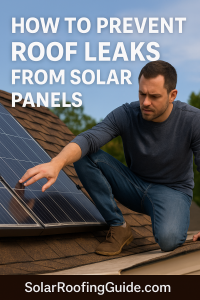
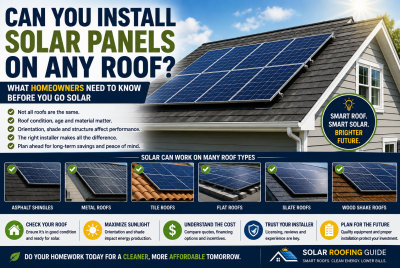
Solar Panels and Roof Leaks: The Complete Prevention Guide for U.S. Homeowners
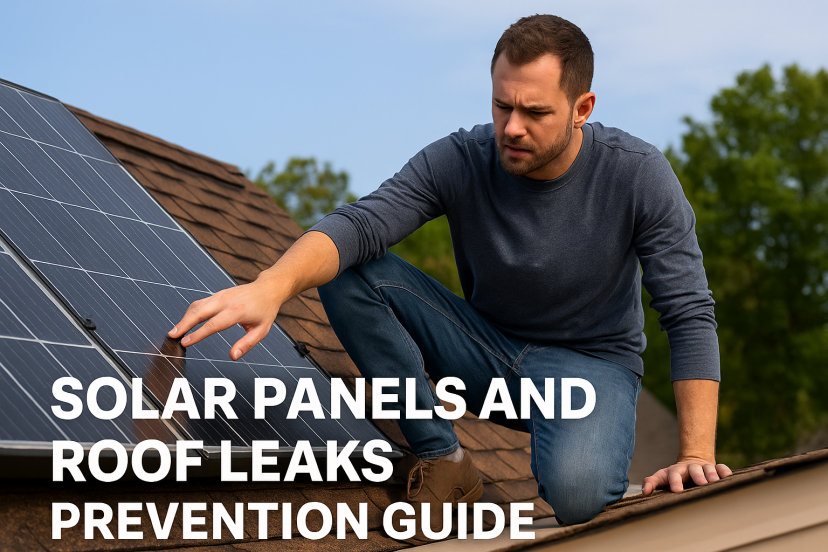
🏠 Can Solar Panels Cause Roof Leaks? The Truth Every Homeowner Should Know
For many U.S. homeowners, one of the biggest concerns about going solar isn’t the cost—it’s the fear of roof leaks and hidden water damage.
You may have heard stories like:
-
“My roof started leaking after solar.”
-
“The installer drilled through my shingles.”
-
“I found mold in my attic after solar panels.”
Here’s the real truth:
👉 Solar panels do NOT cause roof leaks when installed correctly.
Leaks almost always come from installation errors, poor flashing, or low-quality workmanship.
This complete DIY-friendly guide explains:
-
Why solar-related roof leaks happen
-
How flashing protects your roof
-
What installation mistakes to avoid
-
How to inspect your roof for water damage
-
How to prevent expensive repairs
-
When to call a professional
Let’s protect your roof before problems start.
☀️ What Causes Solar Panels Roof Leaks?
Most solar panels roof leaks come from human error—not solar technology. The biggest culprits are:
-
Improper flashing
-
Poorly sealed penetrations
-
Incorrect mounting hardware
-
Low-quality sealants
-
Inexperienced installers
Modern solar systems are designed to be completely watertight—but only when installed to code.

🧱 The Role of Flashing in Preventing Roof Leaks
Flashing is a thin metal waterproof barrier that seals every point where the mounting hardware penetrates your roof.
✅ Proper flashing:
-
Directs water away from bolt holes
-
Prevents water intrusion
-
Protects the roof decking
-
Blocks long-term moisture absorption
❌ Missing or incorrect flashing leads directly to:
-
Slow leaks
-
Hidden attic water damage
-
Mold growth
-
Rotted roof decking
Types of flashing used in solar:
-
Aluminum flashing
-
Stainless steel flashing
-
EPDM rubber-backed flashing
If your installer skips flashing or cuts corners, leaks become inevitable, sometimes years later.
❌ The Most Common Installation Errors That Cause Water Damage
Here are the biggest mistakes responsible for solar-related roof leaks:
⚠️ 1. Drilling without flashing
Bolts installed directly into shingles without protective flashing almost always leak.
⚠️ 2. Using low-grade sealant only
Caulk alone is not waterproof long-term. Sealant degrades under UV exposure.
⚠️ 3. Poor rafter alignment
Missed rafters lead to:
-
Loose mounts
-
Shifting hardware
-
Enlarged holes
-
Water seepage
⚠️ 4. Over-tightened fasteners
This cracks shingles and compromises the waterproof barrier.
⚠️ 5. Reusing old penetrations
Old holes from satellite dishes or roof anchors are weak points for leaks.

🛠️ DIY Inspection Guide: How to Check for Solar-Related Roof Leaks
You don’t need to climb onto your roof to detect early warning signs. Use this simple checklist:
✅ Inside the home
-
Brown ceiling stains
-
Bubbling drywall
-
Musty attic odors
-
Visible mold on attic rafters
-
Damp insulation near mount points
🧩 Outside the home
-
Lifted shingles near the mount bases
-
Cracked shingles under the rails
-
Loose mounting hardware
-
Deteriorating sealant
✅ After heavy rain
-
Water droplets beneath the array
-
Fresh staining
-
Soft drywall spots
If you detect any of these, act immediately to stop further water damage.
🏠 Are Some Roof Types More Prone to Solar Leaks?
Yes. Some roofing materials are more sensitive than others.
✅ Shingle roof
-
Most common
-
Leak-resistant when flashed properly
-
Easy to repair
✅ Metal roof
-
Standing seam requires NO penetrations
-
Lowest leak risk
-
Best mounting option
⚠️ Tile roof
-
Fragile materials
-
Higher breakage risk
-
Requires specialized tile hooks
⚠️ Flat roof
-
Ponding water increases risk
-
Requires ballast systems
-
Drainage must be perfect
The highest-leak-risk roofs are tile and improperly drained flat roofs.
💰 Cost of Fixing Solar Panel Roof Leaks
Ignoring leaks is extremely expensive. Here’s what homeowners typically pay:
| Repair Type | Cost Range |
|---|---|
| Minor flashing repair | $150 – $500 |
| Sealant replacement | $200 – $600 |
| Panel removal & remount | $1,500 – $4,000 |
| Rotted decking repair | $1,000 – $3,500 |
| Mold remediation | $1,500 – $6,000 |
✅ Early detection saves thousands of dollars.
🔋 Do Solar Panels Increase the Risk of Long-Term Water Damage?
No, not when installed correctly.
In fact, solar panels often:
-
Reduce UV damage to shingles
-
Decrease thermal expansion
-
Protect roof surfaces from hail
-
Extend roof lifespan by 5–10 years
The danger comes from:
-
Poor waterproofing
-
Improper flashing
-
Rushed installations
-
Unqualified installers
🧰 DIY Prevention Tips: How to Protect Your Roof From Solar Leaks
You don’t need to be a roofer to protect your investment. Follow these guidelines:

✅ 1. Verify flashing at every mount
Ask for photos after installation.
✅ 2. Request rafter mapping documentation
Ensures all bolts are anchored structurally.
✅ 3. Inspect sealant annually
Especially after heat waves and storms.
✅ 4. Keep gutters clean
Overflowing water finds weak mounting seals.
✅ 5. Avoid pressure washing near mounts
High pressure forces water under flashing.
✅ 6. Trim overhanging branches
Falling debris damages mount seals.
⚡ Warranties That Protect You From Water Damage
Your solar system should include:
-
Solar workmanship warranty (10–25 years)
-
Roof penetration warranty
-
Manufacturer flashing warranty
-
Inverter and panel warranties
If the installer refuses to cover roof penetrations — walk away.

💵 Do Solar Incentives Cover Roof Leak Repairs?
Not directly. However:
✅ The 30% Federal Solar Tax Credit covers:
-
Solar panels
-
Inverters
-
Mounting hardware
-
Electrical upgrades
✅ Some states offer:
-
Roofing energy efficiency rebates
-
Cool roof incentives
-
Home weatherization grants
Leak repairs themselves are not tax-deductible, which makes prevention even more valuable.
📊 Comparison: Proper Installation vs Poor Installation
| Feature | Proper Installation | Poor Installation |
|---|---|---|
| Flashing | Always used | Often skipped |
| Leak risk | Very low | High |
| Roof lifespan | Extended | Shortened |
| Water damage | None | Likely |
| Warranty protection | Valid | Often void |
| Repair costs | Minimal | Expensive |
🛡️ How Solar Panels Actually Protect Your Roof
When mounted correctly, solar panels act as a protective barrier:
-
Block direct rain impact
-
Shield shingles from UV rays
-
Reduce thermal expansion
-
Lower attic temperatures
-
Minimize hail strike damage
This protection significantly lowers aging-related roof leaks.
🔨 When to Call a Professional Immediately
Call a certified installer or roofer if:
-
You notice ceiling stains near panel locations
-
Water is visible under the array
-
Shingles appear cracked or lifted
-
You smell mold in the attic
-
Your system is over 8–10 years old
-
You had a severe storm or hurricane
Water damage spreads quietly and fast — early repairs prevent structural destruction.
❓ FAQs: Solar Panels and Roof Leaks
1. Do solar panels cause roof leaks?
No. Leaks come from installation errors, not the panels themselves.
2. Is flashing always required for solar installation?
Yes. Every penetration must be flashed for waterproof protection.

3. Can solar panels damage shingles?
Not when installed properly with raised rail systems.
4. How long does solar flashing last?
High-quality flashing lasts 20–30 years.
5. Will my roof warranty be void after solar installation?
Only if non-approved installation methods are used, certified installation keeps warranties intact.
6. Can rain force water under solar mounts?
Only when flashing or sealant fails.
7. Are metal roofs safer for solar installation?
Yes. Standing seam metal roofs offer zero-penetration mounting and the lowest leak risk.
🌞 Final Takeaway: Solar Panels and Roof Leaks Are 100% Preventable
Here’s the bottom line for U.S. homeowners:
✅ Solar panels do not cause roof leaks
✅ Leaks come from flashing and installation errors
✅ Proper workmanship prevents water damage for decades
✅ Routine inspections protect your home
✅ Standing seam metal roofs offer the safest solar platform
✅ Prevention always costs less than repairs
When installed correctly, solar panels protect your roof instead of damaging it.
⚠️ Disclaimer
Roofing conditions, flashing requirements, installation standards, and weather risks vary by region. Always consult a licensed solar installer and professional roofing contractor before inspecting, modifying, or repairing any solar mounting system.
 Explore more:
- How Long Does A Roof Last By Material Type?
- Roof Repair vs Roof Replacement: Which One Do You Need?
- How to Inspect Your Roof Before Installing Solar