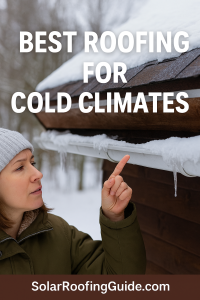
Best Roofing Materials for Cold & Snowy Climates: What Really Works in Harsh Winters
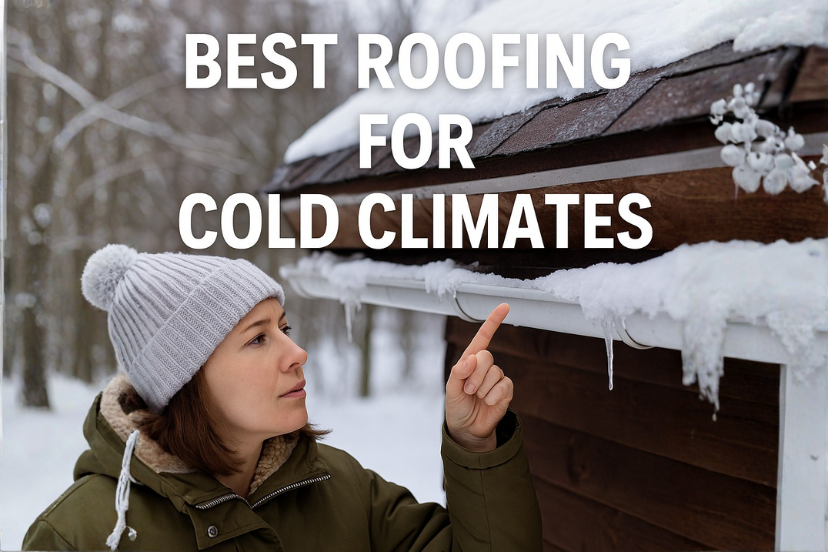
🏠 Cold Winters Demand Smarter Roofing Choices
If you live in a region with long winters, heavy snowfall, or repeated freeze-thaw cycles, your roof works harder than almost any other part of your home. Choosing the best roofing for cold climates isn’t just about durability—it directly affects heating costs, indoor comfort, and your home’s readiness for solar panels.
In northern U.S. states and mountain regions, homeowners face challenges like snow accumulation, ice dams, and winter roof leaks that can quietly drive up energy bills and shorten roof lifespan. The right roofing material, paired with proper insulation and ventilation, can prevent many of these problems before they start.
This guide breaks down the most snow resistant roof options, explains ice dam prevention roof strategies, and shows how cold-weather roofing choices tie into energy efficiency and long-term savings.
❄️ Why Cold Climate Roofing Choices Matter More Than You Think
Winter conditions expose every roofing weakness.
✅ Key Benefits of Choosing the Right Cold-Weather Roof
- Prevents costly winter roof leaks
- Improves attic insulation performance
- Reduces heating demand and energy bills
- Protects the roof and solar warranties
- Extends roof lifespan despite harsh weather
Selecting the best roofing for cold climates is a smart investment in both comfort and efficiency.
🔍 What Makes Cold & Snowy Climates So Tough on Roofs?
Cold regions stress roofs differently than hot climates.
✅ Common Cold-Weather Roofing Challenges
- Heavy snow loads
- Roofing material contraction and expansion
- Ice dams are forming at the roof edges
- Freeze-thaw damage to fasteners and flashing
- Prolonged moisture exposure
A snow-resistant roof must handle both weight and moisture management.
🏠 Key Qualities of the Best Roofing for Cold Climates
Before comparing materials, it helps to know what actually matters.
✅ Must-Have Characteristics
- High snow-shedding ability
- Strong resistance to ice dam formation
- Durable under freeze-thaw cycles
- Compatible with proper insulation and ventilation
- Long manufacturer warranties for cold regions
These factors matter more than aesthetics alone.
🥇 Top Roofing Materials for Cold & Snowy Climates (Compared)
Not all roofs perform equally in winter.
🏗️ Metal Roofing: The Gold Standard for Snow Resistant Roofs
Metal is often considered the best roofing for cold climates.
✅ Why Metal Roofing Excels
- Snow slides off easily, reducing the weight load
- Minimal water absorption
- Extremely durable in freezing temperatures
- Long lifespan (40–70+ years)
❄️ Winter Performance Highlights
- Reduces ice dam formation naturally
- Works well with snow guards for safety
- Ideal for solar panel installation
Cost Range: $8–$14 per sq. ft.
Best For: Heavy snow regions, energy-focused homeowners
🧱 Architectural Asphalt Shingles (Cold-Rated)
Modern shingles are far better than older versions.
✅ Why Architectural Shingles Work
- Cold-weather adhesive seals
- Better wind and impact resistance
- Lower upfront cost
⚠️ Limitations
- Snow buildup is more likely than metal
- Requires a strong ice dam prevention roof design
Cost Range: $4–$7 per sq. ft.
Best For: Moderate snow regions on a budget
🏔️ Slate Roofing: Premium Durability for Extreme Cold
Slate has been used in cold climates for centuries.
✅ Benefits
- Naturally water-resistant
- Extremely long lifespan (75–100+ years)
- Excellent freeze-thaw resistance
⚠️ Considerations
- Very heavy
- Higher installation costs
- Structural reinforcement is often needed
Cost Range: $15–$30+ per sq. ft.
Best For: Luxury homes and long-term owners
🧱 Synthetic Slate & Composite Roofing
A modern alternative with fewer drawbacks.
✅ Advantages
- Lighter than natural slate
- Cold-weather durability
- Designed as a snow-resistant roof
Cost Range: $9–$15 per sq. ft.
Best For: Aesthetic appeal with better snow performance

🧊 Best Roofing for Cold Climates: Quick Comparison Table
| Material | Snow Resistance | Ice Dam Risk | Lifespan |
|---|---|---|---|
| Metal | Excellent | Low | 40–70 yrs |
| Architectural Shingles | Moderate | Medium | 20–30 yrs |
| Slate | Excellent | Low | 75–100 yrs |
| Synthetic Slate | High | Low | 40–50 yrs |
🏠 Ice Dam Prevention Roof Design: Materials Aren’t Enough Alone
Even the best roofing for cold climates needs proper support systems.
✅ Key Ice Dam Prevention Roof Features
- Ice & water shield underlayment
- Proper attic insulation (R-38 to R-60)
- Balanced roof ventilation
- Sealed air leaks
Material + system design is what truly prevents ice dams.
🔋 Roofing Materials, Insulation & Energy Efficiency
Cold roofs affect heating efficiency significantly.
🔋 Energy Benefits of Cold-Optimized Roofing
- Reduces heat loss through the attic
- Maintains insulation effectiveness
- Supports lower winter heating bills
- Improves comfort in living spaces
Many homeowners see noticeable energy savings after switching to snow-optimized roofing systems.
☀️ Best Roofing for Cold Climates with Solar Panels
Cold regions are excellent for solar, but roofing matters.
✅ Cold-Weather Solar Roofing Tips
- Metal roofs pair best with solar mounts
- The roof should have 20+ years of lifespan left
- Ice dam prevention improves solar reliability
- Proper flashing protects mounting points
A snow-resistant roof with solar can perform efficiently year-round.
💰 Cost vs Value: Cold Climate Roofing ROI
Upfront cost isn’t the full picture.
💰 Long-Term Value Considerations
- Lower maintenance expenses
- Reduced winter repair costs
- Energy savings over decades
- Higher resale appeal in cold regions
Choosing the best roofing for cold climates often pays for itself over time.
🛠️ Installation Tips That Matter in Cold Regions
Even the best materials fail if installed incorrectly.
✅ Cold-Weather Installation Best Practices
- Install during manufacturer-approved temperatures
- Use cold-rated adhesives and sealants
- Upgrade underlayment and flashing
- Confirm local code compliance
Always work with contractors experienced in cold-climate roofing.
🧾 Warranties & Cold Climate Coverage
Not all warranties are equal.
✅ Warranty Checklist
- Cold-weather performance rating
- Snow and ice damage coverage
- Proper installation requirements
- Transferable coverage (resale value)
Failing to meet insulation or ventilation requirements can void warranties.
🔋 Energy Incentives & Cold Roofing Upgrades
Some upgrades may align with incentives.
✅ Related Incentive Opportunities
- Energy-efficient insulation rebates
- Utility efficiency programs
- Federal Solar Tax Credit (when paired with solar installation)
Timing upgrades strategically can increase overall savings.
🏠 When To Call A Professional Roofer Or Energy Specialist
Expert guidance prevents expensive mistakes.
✅ Call A Professional If:
- Replacing a roof older than 20 years
- Ice dams recur every winter
- Planning solar panels
- Structural snow load concerns exist
- Insulation or ventilation is outdated
Professional assessments ensure system-level success.
❓ FAQs: Best Roofing for Cold Climates
1️⃣ What is the best roofing for cold climates with heavy snow?
Metal roofing performs best due to snow shedding and durability.
2️⃣ Are asphalt shingles bad in cold climates?
Not necessarily, but they require a strong ice dam prevention design.

3️⃣ Do metal roofs cause snow avalanches?
Snow slides easily—snow guards manage safety near entrances.
4️⃣ Does roof color matter in cold climates?
Less than insulation and ventilation, but darker roofs may melt snow faster.
5️⃣ Can ice dams happen on new roofs?
Yes, if insulation and ventilation are inadequate.
6️⃣ Are cold-climate roofs good for solar?
Yes. Cold temperatures actually improve solar panel efficiency.
7️⃣ How long should a winter-grade roof last?
Depending on the material, 30–70+ years with proper maintenance.
💥 Conclusion: Build a Roof That Works With Winter, Not Against It
Choosing the best roofing for cold climates means thinking beyond shingles alone. Snow resistant roof materials, ice dam prevention roof design, proper insulation, and smart ventilation all work together to protect your home, reduce energy bills, and support future solar upgrades.
If your roof struggles each winter, it’s not just a weather problem—it’s a system opportunity. The right roofing choice today can deliver comfort, savings, and peace of mind for decades.
✅ Explore cold-climate roofing options or request a professional roof evaluation to see what will work best for your home.
⚠️ Disclaimer
Roofing materials, costs, incentives, and performance vary by location and home design. Always consult a licensed roofing or solar professional before making roofing or energy-efficiency decisions.
 Explore more:

- How To Choose A Roofing Contractor
- Roof Replacement Financing for Solar Installation
- Roof Leaking After A Storm