Do Solar Panels Protect Your Roof? 7 Ways They Can Help And When They Can Cause Problems
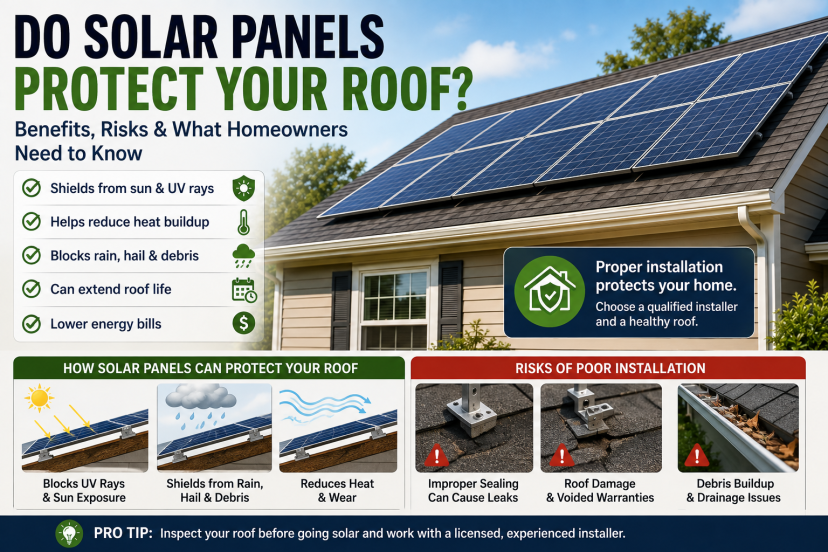
If you’re considering solar, you may be thinking about electricity savings—but what happens to the roof underneath those panels? Do solar panels protect your roof? In some ways, yes. Properly installed rooftop solar panels can shield portions of your roofing from direct sunlight, UV exposure, rain, hail, and other everyday weather conditions.
However, solar panels aren’t a substitute for a strong, properly maintained roof. Poor installation, damaged flashing, aging shingles, or incorrect mounting can create leaks and expensive repairs rather than protection.
For U.S. homeowners, the smartest approach is to treat the roof and solar system as one long-term home improvement project. Inspecting your roof before installation, choosing qualified contractors, understanding warranties, and planning for future roof replacement can help you lower energy costs while protecting one of the most important structures on your home.
☀️ Quick Answer: Do Solar Panels Protect Your Roof?
Do solar panels protect your roof? Solar panels can provide some physical protection to the portion of the roof they cover by reducing direct exposure to sunlight, UV radiation, rain, and some weather-related wear. Panels may also shade the roof surface. However, they do not strengthen an aging or damaged roof, and incorrect installation can cause leaks or roof damage. A professional roof inspection before installing solar is one of the best ways to avoid problems.
Key Takeaways
Most likely cause: Solar panels can reduce direct weather and sunlight exposure on the roofing material located beneath the array, potentially reducing some surface wear.
Usually serious? No. A professionally installed solar system generally should not harm a roof that is structurally sound and suitable for solar.
First thing to check: Have the roof inspected for aging materials, leaks, damaged shingles, flashing problems, and structural concerns before installing panels.
Best solution: If you’re wondering Do solar panels protect your roof? Think of the protection as an added benefit rather than a replacement for good roofing. Start with a healthy roof and use qualified solar and roofing professionals.
🏠 How Solar Panels Can Protect Your Roof
Solar panels sit several inches above the roofing surface when installed using a typical rack-mounted residential system.
That positioning creates a physical barrier between parts of your roof and the outdoor environment.
The panels don’t completely isolate your roof, but they can reduce direct exposure in several ways.
1. Solar Panels Reduce Direct UV Exposure
Sunlight is one of the long-term environmental stresses placed on roofing materials.
Ultraviolet radiation and high temperatures contribute to the aging of many building materials. Solar panels shade the portion of the roof directly beneath the array.
That means those covered roofing materials receive less direct sunlight than exposed sections.
This doesn’t mean solar panels will automatically add years to the entire roof’s lifespan. Large sections of roofing—including edges, ridges, valleys, and areas around the array—remain exposed.
Still, shading is one reason the roof beneath panels may age differently from uncovered areas.
2. Panels Provide A Barrier Against Rain
Another reason homeowners ask do solar panels protect your roof is the physical coverage panels provide during rain.
Much of the rain that would have landed directly on the covered roof instead strikes the solar modules and runs off their surfaces.
However, water still reaches the roof.
Solar arrays aren’t waterproof roof coverings. Rain can travel between panels, around mounting equipment, and beneath the array.
Your shingles, underlayment, flashing, and roof drainage system must remain capable of managing water correctly.
🌡️ 3. Solar Panels Can Shade Your Roof From Heat
Roofs exposed to direct summer sunlight can become extremely hot.
A solar array shades part of the roofing surface while maintaining an air space between the panels and roof in many installations. Air can circulate through this gap rather than trapping the panel directly against the shingles.
This shading may reduce direct solar heating of covered portions of the roof.
However, homeowners shouldn’t treat rooftop solar as a substitute for proper insulation, attic ventilation, air sealing, or an energy-efficient roofing system.
For reducing household cooling costs, the best results usually come from looking at the home as a complete system.
Solar generates electricity. Insulation and air sealing reduce energy demand. Roofing and ventilation help manage the building envelope.
Together, these improvements can create a more energy-efficient home.
⛈️ 4. Can Solar Panels Protect A Roof From Hail?
Solar panels may physically shield the roofing immediately beneath them from some hail impact, but this doesn’t mean a solar-equipped roof is hail-proof.
Hail can damage solar panels themselves, exposed shingles, gutters, flashing, siding, and other parts of the home.
Modern solar modules are typically tested to industry standards for environmental conditions, but severe hail can exceed what equipment is designed to withstand.
Homeowners in hail-prone areas should ask installers about:
- Panel Testing Standards.
- Manufacturer Warranty Terms.
- Mounting System Strength.
- Homeowners Insurance Coverage.
- Hail Deductibles.
- Post-Storm Inspection Procedures.
After a severe hailstorm, don’t climb onto the roof yourself. A roofing or solar professional can inspect the system more safely.
🌬️ 5. Do Solar Panels Protect Your Roof During High Winds?
Solar panels aren’t intended to act as wind protection for the roof.
Instead, the mounting system must be engineered and installed so the array can withstand applicable wind forces without compromising the roofing structure.
This becomes especially important in hurricane-prone and high-wind regions.
Installers must consider factors such as local building codes, roof structure, attachment locations, mounting equipment, roof geometry, and manufacturer specifications.
A correctly designed solar array should be securely attached to the home.
An improperly installed array, however, can create serious problems during extreme weather.
If you live in an area exposed to hurricanes or high winds, ask your contractor what wind-load requirements apply to your property and how the proposed system meets them.

🔨 6. Solar Panels May Reduce Some Everyday Roof Wear
Roofs experience years of exposure to sun, rain, wind, debris, temperature changes, and seasonal weather.
The area beneath a solar array is partially shielded from several of these conditions.
That can reduce some direct surface exposure, but homeowners should keep expectations realistic.
If an asphalt shingle roof is already deteriorating before installation, covering it with panels won’t reverse that deterioration.
The roof deck, underlayment, flashing, and other components will also continue aging.
Think of solar panels as providing partial shielding, not roof preservation.
⚠️ When Solar Panels Can Damage Your Roof
The answer to do solar panels protect your roof changes dramatically when installation quality is poor.
A properly designed solar system should protect against water intrusion at attachment points. Installers typically use mounting and flashing methods designed for the specific roofing system.
Problems can occur when penetrations or flashing are installed incorrectly.
Potential solar-related roof problems include:

- Water Leaks.
- Damaged Or Cracked Shingles.
- Poorly Sealed Penetrations.
- Incorrect Flashing.
- Structural Damage.
- Loose Mounting Hardware.
- Damage From Workers Walking On The Roof.
- Problems Caused By Incompatible Mounting Methods.
That’s why choosing a qualified installer matters as much as selecting quality solar panels.
Ask exactly how the contractor handles roof penetrations and what workmanship warranty protects you if an installation-related leak develops.
🧱 Is Your Roof Compatible With Solar Panels?
Many common U.S. roofing systems can support solar, but installation methods and costs vary.
| Roofing Material | Solar Compatibility | Key Consideration |
|---|---|---|
| Asphalt Shingles | Generally Good | Roof age and shingle condition |
| Standing-Seam Metal | Excellent Potential | Clamps may attach to seams |
| Tile Roofing | Possible | Tiles require careful handling |
| Flat/Low-Slope Roof | Often Good | Racking and drainage are important |
| Wood Shake | More Challenging | Fire, mounting and condition considerations |
| Slate | More Specialized | Fragile material requires experienced installers |
Your roof’s material isn’t the only consideration.
Installers should also evaluate orientation, slope, shading, structural condition, roof geometry, usable area, and local building requirements.
🔍 Should You Replace Your Roof Before Going Solar?
This is one of the most important questions to answer before installing panels.
Solar equipment can remain in service for decades. Installing a long-lived solar system on roofing that will soon need replacement may create unnecessary costs.
Suppose your roof needs replacement several years after solar installation.
The solar array may have to be:
- Shut down.
- Removed from the roof.
- Safely stored.
- Reinstalled after roofing work.
- Inspected and recommissioned.
That can add considerable cost and complexity to a normal roof replacement.
If your roof is approaching the end of its useful life, ask a qualified roofing contractor whether replacement before solar installation makes more sense.
💵 Solar Panels Vs. Roof Replacement Costs
Solar and roofing should ideally be planned together.
Homeowners sometimes focus entirely on solar pricing while overlooking the condition of the structure supporting the system.
Consider these scenarios:
| Roof Condition | Smart Next Step |
|---|---|
| New Or Recently Replaced | Good candidate for solar evaluation |
| Roof In Good Condition | Inspect before installation |
| Minor Repair Needed | Repair before panels are installed |
| Aging Roof | Compare repair vs. replacement |
| Major Damage Or Leaks | Address roofing first |
Replacing a roof before solar may increase the upfront project cost, but it could prevent having to remove and reinstall the array prematurely.
Ask both roofing and solar contractors to explain how warranties will interact after installation.
🛡️ Understand Roof And Solar Warranties
A solar installation can involve several warranties.
The solar panel manufacturer may provide product and performance warranties. The inverter manufacturer may have separate coverage. Your roofing manufacturer may have its own warranty, and the installer may offer a workmanship warranty.
Don’t assume these warranties overlap.
Before installation, ask:
- Who Covers A Roof Leak?
- How Long Is The Workmanship Warranty?
- Are Roof Penetrations Specifically Covered?
- Can Solar Installation Affect My Existing Roof Warranty?
- Who Handles Panel Removal For Roof Repairs?
- Who Pays For Reinstallation?
- What Happens If The Solar Installer Goes Out Of Business?
Get important warranty promises in writing.
💰 Solar Savings And Current Energy Incentives
Roof protection is only one potential benefit of installing solar. The primary financial benefit comes from generating electricity that can reduce the amount you purchase from your utility.
Your actual savings depend on factors including system cost, electricity prices, financing, roof orientation, shading, solar production, maintenance, utility policies, and available incentives.
Federal clean-energy tax incentives and state, local, or utility programs may also affect the economics of solar. Because incentive programs and eligibility requirements can change, verify current rules before making your purchase.
Depending on location, programs may include tax incentives, rebates, battery incentives, property tax provisions, or other clean-energy benefits.
Don’t rely solely on a salesperson’s estimate. Check current federal requirements, your state energy office, and your utility.
🧰 How To Protect Your Roof When Installing Solar
The best way to combine solar energy with long-term roof protection is to plan before installation.
Use this checklist:
- Inspect The Roof First: Identify leaks, aging materials, and structural problems.
- Estimate Remaining Roof Life: Avoid installing a decades-long solar system on a roof likely to need near-term replacement.
- Hire Qualified Contractors: Verify applicable licenses, insurance, experience, and references.
- Review Mounting Methods: Ask how penetrations and flashing will be handled.
- Understand Warranties: Know who pays if a leak develops.
- Keep Documentation: Save permits, contracts, warranties, photographs, and equipment records.
- Inspect After Major Storms: Call a professional if you notice damage, leaks, or production problems.
This approach gives your roof and solar system the best chance of working together for years.
👷 When To Call A Professional
Contact a qualified roofing contractor before going solar if your roof is leaking, sagging, missing shingles, showing significant deterioration, or approaching replacement age.
Contact a qualified solar installer for system design, structural considerations, mounting, electrical work, permits, and utility interconnection.
If you notice ceiling stains, moisture, damaged panels, loose equipment, or sudden changes in solar production after installation, arrange a professional inspection rather than attempting rooftop repairs yourself.
❓ Frequently Asked Questions
1. Do Solar Panels Make Your Roof Last Longer?
Solar panels may reduce direct sunlight and weather exposure on the portion of roofing they cover, but they don’t guarantee a longer roof lifespan. Overall longevity still depends on roofing materials, installation quality, ventilation, climate, and maintenance.
2. Do Solar Panels Damage Roof Shingles?
Properly installed panels generally shouldn’t damage healthy asphalt shingles. Problems can occur from poor mounting, incorrect flashing, excessive foot traffic, or installing panels on already deteriorated shingles.
3. Do Solar Panels Cause Roof Leaks?
Solar panels themselves don’t automatically cause leaks. However, improperly installed mounting penetrations or flashing can allow water intrusion. Professional installation and strong workmanship warranties are important.
4. Do Solar Panels Protect Shingles From The Sun?
Yes, the solar array shades the roofing material directly underneath it, reducing direct sunlight and UV exposure in those covered areas.
5. Do Solar Panels Protect Your Roof From Hail?
Panels may shield the roof directly underneath them from some hail impact, but severe hail can damage both the solar equipment and exposed roofing. Solar panels should not be considered hail protection.
6. Is It Better To Replace A Roof Before Installing Solar Panels?
If the roof is approaching replacement age or has significant damage, replacing it before solar installation can make sense. Otherwise, you may have to pay for panel removal and reinstallation when the roof is replaced later.
7. Can Solar Panels Make Your House Cooler?
Solar panels shade portions of the roof and may reduce direct solar heating of the covered roof surface. However, insulation, air sealing, ventilation, roofing materials, climate, and HVAC efficiency have much larger roles in indoor comfort and energy use.
🌞 Final Thoughts: Solar And Roofing Work Best As One Project
So, do solar panels protect your roof? They can provide useful partial protection by shading roofing materials and reducing direct exposure to sunlight, rain, and some everyday weather. But solar panels aren’t a substitute for a healthy roof.
The biggest advantage comes from planning both systems together.
Before going solar, find out how old your roof is, have questionable areas professionally inspected, understand your roofing warranty, and compare qualified solar installers. If your roof is approaching replacement age, getting a roof quote before installing solar could save considerable hassle later.
Once you know your roof is solar-ready, you can focus on choosing the right system to reduce electricity costs, improve energy resilience, and create a smarter home for the decades ahead.
Disclaimer: This article is for general informational purposes only. Roofing conditions, solar costs, tax incentives, utility programs, warranties, insurance coverage, and building requirements vary by location and can change. Always consult appropriately licensed solar, roofing, electrical, tax, insurance, or other professionals before making home improvement or financial decisions.
 Explore more:
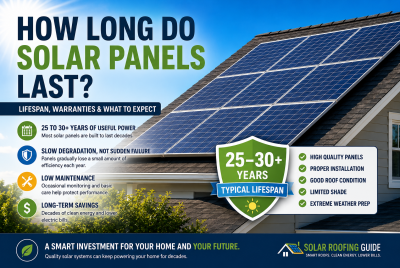
- How Long Do Solar Panels Last? Lifespan And Warranties
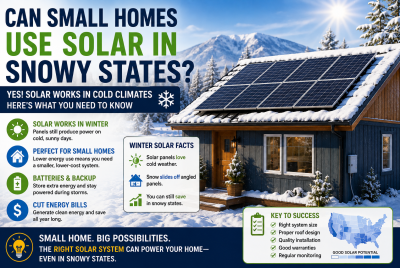
- Can Small Homes Use Solar In Snowy States?
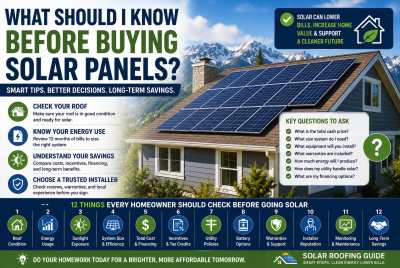
- What Should I Know Before Buying Solar Panels?