💳 What Credit Score for Solar Loan Approval? A Homeowner’s Guide to Getting Approved
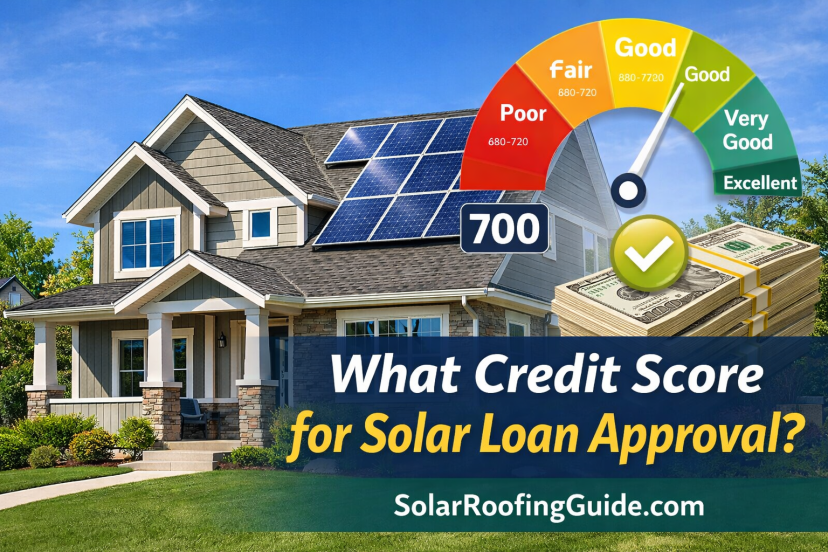
If you’re thinking about installing solar, you’re probably focused on one big goal: lowering your electric bill and gaining energy independence.
But before panels go on your roof, there’s a financial question that matters:
What credit score for solar loan approval do you actually need?
The good news? You don’t need perfect credit.
The better news? With the right strategy, many homeowners qualify even with average scores.
Let’s break it down clearly so you know exactly where you stand — and what to do next.
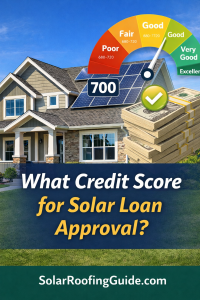
⚡ Quick Answer: What Credit Score for Solar Loan Approval?
Most U.S. lenders require a credit score between 640 and 680 for a standard solar loan.
-
Excellent approval rates: 700+
-
Typical minimum requirement: 640–650
-
Limited options: 600–639
-
Below 600: May require alternative financing
Your exact credit score for solar loan approval depends on:
-
Lender guidelines
-
Debt-to-income ratio (DTI)
-
Income stability
-
Home equity
Now let’s go deeper.
🏦 Why Your Credit Score Matters for Solar Financing
In many cases, solar loans are unsecured. That means lenders rely heavily on your credit profile.
When evaluating your credit score for solar loan approval, lenders look at:
-
Payment history
-
Credit utilization
-
Length of credit history
-
Recent inquiries
-
Total debt
A stronger profile usually means:
-
Lower interest rates
-
No down payment
-
Faster approval
📊 Credit Score Ranges & What They Mean
Here’s how lenders typically view applicants:
| Credit Score Range | Approval Odds | Interest Rates | Typical Outcome |
|---|---|---|---|
| 740+ | Excellent | Lowest | Best terms, 0% intro offers possible |
| 700–739 | Very Good | Low | Strong approval, competitive rates |
| 660–699 | Good | Moderate | Most standard loans available |
| 620–659 | Fair | Higher | Limited lender options |
| Below 620 | Challenging | High | May require co-signer or secured loan |
If you’re wondering whether your credit score for solar loan approval is strong enough, this table gives you a quick snapshot.
🏠 Real-Life Scenario: Two Homeowners, Two Outcomes
Homeowner A:
-
Credit score: 720
-
DTI: 32%
-
Income: Stable W-2 employment
Result:
-
Approved in 48 hours
-
5.99% APR
-
$0 down
-
12-year term
Homeowner B:
-
Credit score: 640
-
DTI: 45%
-
Recent late payment
Result:
-
Approved with higher interest (8.5%)
-
Required a small down payment
Both got approved — but the stronger credit profile received better terms.
That’s why understanding your credit score for solar loan approval is so important before applying.
🔎 What Lenders Really Check Beyond Your Score
Your score isn’t the only factor.
Lenders also evaluate:
-
Debt-to-income ratio (usually under 45% preferred)
-
Employment stability
-
Home ownership verification
-
Bankruptcy history
-
Property tax standing
If your credit score for solar loan approval is borderline, improving one of these other areas can help offset it.
📝 Self-Assessment Checklist: Are You Ready to Apply?
Before applying, ask yourself:
-
Is my credit score above 650?
-
Have I avoided late payments in the last 12 months?
-
Is my credit utilization below 30%?
-
Is my DTI under 45%?
-
Do I have steady employment income?
If you checked most of these, your credit score for solar loan approval is likely strong enough.
💡 Expectation vs Reality
Expectation: You need perfect credit (750+) to qualify.
Reality: Many homeowners qualify in the mid-600s.
Expectation: A single late payment ruins your chances.
Reality: Lenders look at overall patterns.
Expectation: Solar financing works like a mortgage.
Reality: Many solar loans are unsecured and quicker to approve.
Understanding these differences can help you apply confidently.
🔄 What If Your Credit Score Is Below 650?
Don’t panic. You still have options.
Option 1: Improve Your Score First
Simple steps:
-
Pay down credit card balances
-
Avoid new hard inquiries
-
Make on-time payments for 3–6 months
-
Dispute credit report errors
Even a 20–30 point boost can improve your approval odds.
Option 2: Add a Co-Signer
If a spouse or family member has strong credit, combining applications can:
-
Improve approval chances
-
Lower interest rates
-
Reduce the required down payment
Option 3: Explore Secured Financing
Some homeowners use:
-
Home equity loans
-
HELOCs
-
Cash-out refinance
These may require higher credit, but can offer lower interest rates than unsecured solar loans.
🏦 Popular Solar Loan Providers in the U.S.
Many solar installers partner with financing companies such as:
-
Mosaic
-
Sunlight Financial
-
GoodLeap
-
Dividend Finance
Each has slightly different minimum requirements for a credit score for solar loan approval.
Your installer usually handles submission — but you should still know your numbers beforehand.
📉 How Your Credit Score Impacts Interest Rates
Small differences in credit score can change monthly payments significantly.
Example:
-
$25,000 system
-
12-year term
At 6% APR → ~$243/month
At 9% APR → ~$281/month
That’s nearly $5,500 more over the life of the loan.
Improving your credit score for solar loan approval by even 40 points could save thousands.
🏡 Solar Loan vs Lease: Which Is Easier to Qualify For?
| Feature | Solar Loan | Solar Lease |
|---|---|---|
| Credit score requirement | Moderate | Often similar or slightly lower |
| Ownership | Yes | No |
| Tax credit eligibility | Yes | No |
| Adds home value | Yes | Usually No |
| Long-term savings | Higher | Lower |
If resale value matters, ownership typically wins.
📈 Practical Steps to Boost Approval Odds
If you’re planning solar in the next 3–6 months:
-
Check your credit reports (Experian, Equifax, TransUnion).
-
Pay down revolving balances.
-
Avoid large purchases before applying.
-
Keep employment stable.
-
Get pre-qualified before a hard credit pull.
Being proactive can strengthen your credit score and improve your chances of solar loan approval.
❓ FAQs: Credit Score for Solar Loan
1. What is the minimum credit score for a solar loan?
Most lenders require 640–650, though some programs accept lower with conditions.
2. Can I get a solar loan with a 600 credit score?
Possibly, but options are limited, and rates may be higher. A co-signer may help.
3. Does applying for a solar loan hurt my credit?
A hard inquiry may reduce your score slightly (usually 5–10 points).
4. Is solar financing easier than mortgage approval?
Yes. Solar loans typically have faster underwriting and less documentation.
5. Can retirees qualify for solar financing?
Yes, if income (Social Security, pension, investments) supports repayment.
6. Does income matter more than credit score?
Both matter. High income can sometimes offset a slightly lower score.
🔋 Final Takeaway: Should You Apply Now?
So what credit score for solar loan approval do you really need?
For most homeowners, 650+ is a solid starting point.
700+ gives you better terms.
Below 650? Improve your profile or explore alternative financing.
Solar isn’t just an energy upgrade — it’s a financial decision. Preparing your credit profile before applying can save thousands over the life of your system.
If you’re serious about cutting energy costs and increasing property value, check your score today and speak with a reputable installer about pre-qualification options.
Disclaimer
This article is for informational purposes only and does not constitute financial or lending advice. Loan requirements vary by lender, state, and applicant qualifications. Always consult a licensed financial advisor or lender before making financing decisions.
 Explore more:
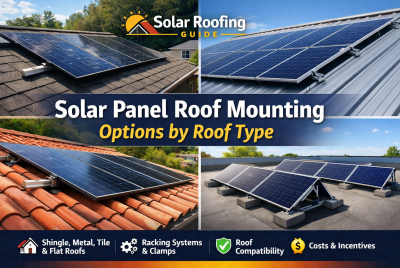
- Solar Panel Roof Mounting: Best Options By Roof Type
- Roof Underlayment Types Explained
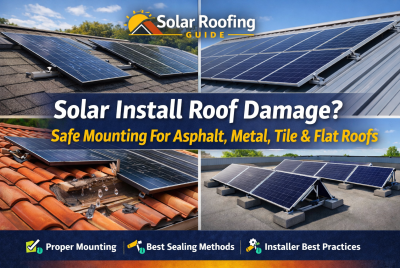
- Solar Install Roof Damage: Safe Solar Panel Mounting Options