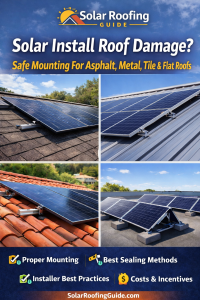
Solar Install Roof Damage: Safe Solar Panel Mounting Options By Roof Type
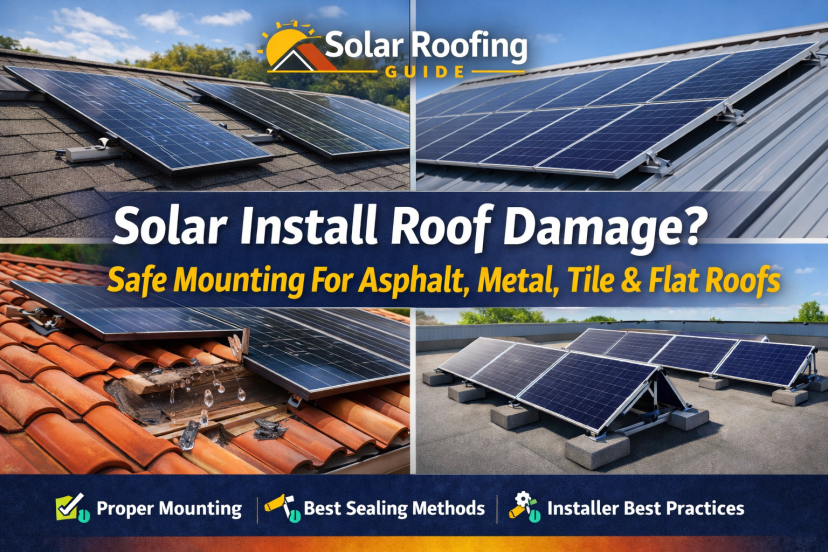
🏠 Go Solar Without Solar Install Roof Damage
Going solar is one of the smartest upgrades a U.S. homeowner can make. It lowers electric bills, boosts home value, and cuts your carbon footprint. But many homeowners share one big fear:
“Will a solar install cause roof damage?”
The truth is, solar install roof damage only happens when panels are mounted the wrong way. With proper mounting, sealing, and installer best practices, your roof can stay strong and leak-free for 25–30 years.
In this guide, you’ll learn:
-
How solar install roof damage happens — and how to avoid it
-
Proper mounting options by roof type
-
Sealing methods that stop leaks
-
DIY safety tips and when to call a pro
-
Costs, savings, and U.S. incentives
If you want solar without risking your roof, this article is for you.
☀️ What Causes Solar Install Roof Damage?
Solar itself doesn’t damage roofs — bad installation does.
Most Common Causes
-
Poor drilling into rafters
-
Missing or weak sealing
-
Wrong mounts for the roof type
-
Low-quality hardware
-
Ignoring roof age or damage
How To Prevent Damage
-
Use proper mounting hardware
-
Follow installer best practices
-
Match mounts to roof material
-
Seal every penetration carefully
When done right, solar can actually protect parts of your roof from sun and weather wear.
🏠 Solar Install Roof Damage By Roof Type
Every roof needs a different mounting approach.
☀️ Asphalt Shingle Roof And Solar Install Roof Damage
Asphalt shingles are the most common roof type in the U.S.
Proper Mounting For Shingles
-
L-foot brackets
-
Rail-based racking systems
-
Flashing under each mount
-
Lag bolts into rafters
How Damage Happens
-
Missing flashing
-
Bolts not in rafters
-
Cracked shingles during installation
Installer Best Practices
-
Find rafters with a stud finder
-
Drill pilot holes
-
Install metal flashing
-
Seal with roofing-grade sealant
Result
With proper mounting and sealing, shingle roofs handle solar very well.
🏠 Metal Roof And Solar Install Roof Damage
Metal roofs are ideal for solar.
Standing Seam Metal Roofs
Best option — often no drilling needed.
Proper Mounting
-
Seam clamps
-
Rail-less or rail-based systems
-
No roof penetration
How Damage Happens
-
Over-tightening clamps
-
Using the wrong clamp size
Installer Best Practices
-
Use manufacturer-approved clamps
-
Torque to spec
-
Avoid cutting seams
Metal roofs with proper mounting have the lowest risk of solar install roof damage.
🧱 Tile Roof And Solar Install Roof Damage
Tile roofs need extra care.
Proper Mounting
-
Tile replacement mounts
-
Standoff mounts
-
Flashing under mounts
How Damage Happens
-
Breaking tiles
-
Poor flashing
-
Uneven load distribution
Installer Best Practices
-
Remove tiles carefully
-
Install mounts into rafters
-
Flash and seal
-
Replace or trim tiles
Tile roofs can work well with solar — but they require experienced installers.
🏢 Flat Roof And Solar Install Roof Damage
Flat roofs use non-penetrating systems.
Proper Mounting
-
Ballasted racking systems
-
Tilt frames
-
Weight blocks
How Damage Happens
-
Too much weight
-
Poor drainage design
Installer Best Practices
-
Check roof load limits
-
Use protective mats
-
Maintain drainage paths
Flat roofs avoid drilling but must handle weight safely.
🔧 Proper Mounting Basics To Prevent Solar Install Roof Damage
No matter the roof type, proper mounting is the foundation of safe solar.
Key Mounting Rules
-
Always anchor into rafters
-
Never rely on plywood alone
-
Use corrosion-resistant hardware
-
Match mounts to the roof material
-
Follow local building codes
Good Mounting Provides
-
Strong wind resistance
-
Even weight distribution
-
Long-term roof safety
🔒 Sealing Methods That Stop Leaks
Sealing is what truly prevents solar installation roof damage.
Best Sealing Tools
-
Metal flashing
-
Butyl rubber tape
-
Roofing-grade sealant
-
EPDM gaskets
Proper Sealing Steps
-
Drill a pilot hole into the rafter
-
Insert a lag bolt with flashing
-
Add sealant around the penetration
-
Tighten securely — not too tight
Common Sealing Mistakes
-
Using household caulk
-
Skipping flashing
-
Over-tightening bolts
Good sealing = no leaks.
🛠 DIY Solar Install: What You Can And Can’t Do
DIY solar is possible, but roof work is risky.
You Can DIY If
-
You have basic roofing skills
-
Your roof is an asphalt shingle
-
You follow manufacturer’s instructions
-
You get permits and inspections
DIY Safety Tips
-
Use fall protection
-
Work with a partner
-
Install during dry weather
-
Follow proper mounting steps
-
Seal every hole
When DIY Causes Damage
-
Rafter misses
-
Poor sealing
-
Wrong mount choice
If unsure, hire a pro — roof repairs cost more than installation.
💰 Costs Related To Solar Install Roof Damage
Bad installs cost more in the long run.
Typical Solar Costs (U.S.)
-
$2.50–$4.00 per watt installed
-
Depends on roof type and system size
Cost Of Roof Repairs
-
Minor leak: $300–$800
-
Shingle section: $500–$1,500
-
Major damage: $3,000+
Smart Choice
Pay for proper mounting and installer best practices upfront.
🔋 Energy Incentives That Help Cover Costs
Good news: safe solar installs qualify for big savings.
Federal Solar Tax Credit
-
30% of the total system cost through 2032
-
Covers panels, labor, mounting, and sealing
State And Utility Programs
-
Net metering in many states
-
Cash rebates in CA, NY, TX, FL, AZ
-
Property tax exemptions in some states
Energy Star And Efficiency Programs
-
Some states combine solar with insulation and roofing rebates
Incentives help offset professional installation costs.
💵 Long-Term Savings With Proper Mounting
Avoiding solar install roof damage protects your savings.
With Proper Mounting
-
25–30 years of energy production
-
Fewer repairs
-
Strong roof warranties
-
Higher home resale value
Typical Savings
-
$20,000–$40,000 over 25 years
-
More in high-electricity states
A safe install pays off every year.
🧾 Warranties And Roof Protection
Always check warranties before solar.
Solar Warranties
-
Panels: 25–30 years
-
Inverters: 10–25 years
-
Mounting hardware: 10–25 years
Roof Warranties
-
Some require certified installers
-
Some require notice before drilling
Installer best practices protect both warranties.
🧑🔧 When To Call A Professional
Call a certified solar or roofing installer if:
-
Your roof is older than 10–12 years
-
You have tile, slate, or flat roofing
-
You see leaks or sagging
-
You live in high wind or snow zones
-
You want warranty protection
Pros prevent installation damage and ensure code compliance.
❓ FAQs About Solar Install Roof Damage
1. Can solar panels damage my roof?
Not when installed correctly with proper mounting and sealing.
2. What is the biggest cause of solar install roof damage?
Poor sealing and missing rafters during mounting.
3. Do solar panels cause leaks?
Only if flashing and sealant are done wrong.
4. Is drilling always required?
No. Standing seam metal and ballasted flat roofs often need no drilling.
5. Can I install solar myself safely?
Possible, but risky without roofing experience.
6. Will solar void my roof warranty?
Some roof warranties require certified installers — always check first.
7. Should I replace my roof before solar?
Yes, if it’s near the end of its lifespan.
✅ Conclusion: Avoid Solar Install Roof Damage With Smart Choices
Solar is one of the best upgrades you can make — but only if your roof stays safe.
To avoid solar install roof damage:
-
Use proper mounting for your roof type
-
Seal every penetration carefully
-
Follow installer best practices
-
Fix roof issues before installing
-
Hire certified pros when needed
Your next step:
-
Inspect your roof
-
Compare mounting options
-
Request quotes
-
Ask about warranties and incentives
Go solar — without risking your roof.
⚠️ Disclaimer
Pricing, incentives, and installation methods vary by location and roof type. Always consult a licensed solar or roofing professional before installing solar panels.
 Explore more:
- How To Tell If Your Roof Needs Replacement
- Contractors Roof Solar: Best Contractors For Roof
- Is My Roof Good For Solar Panels?