Roof Replacement Financing for Solar Installation: Smart Ways to Pay Less and Save More
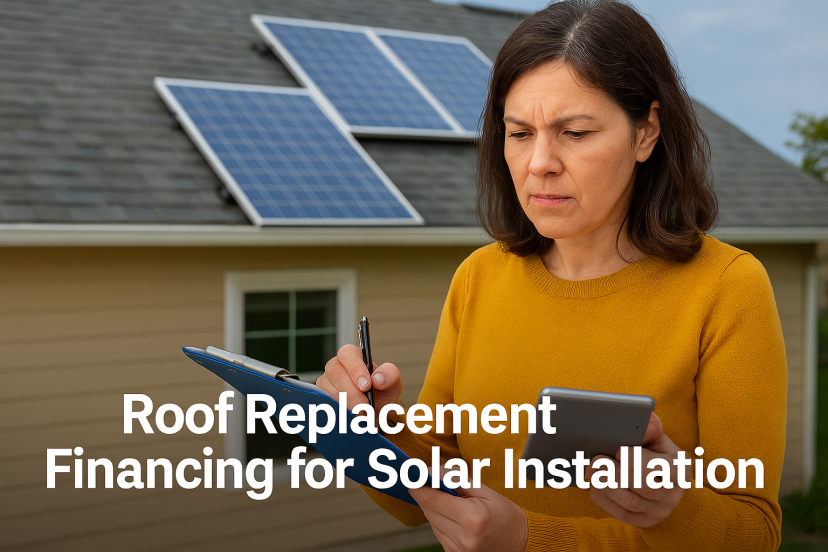
🏠 Why Roofing Finance Matters More Than Ever for Solar Homeowners
If your roof is aging and you’re thinking about installing solar panels, you’re facing a double investment — roof replacement and solar installation. Together, this can feel overwhelming. The good news? Today’s roof replacement financing for solar makes it easier than ever to afford both upgrades at the same time.
Many U.S. homeowners now:
-
Bundle roofing and solar into one project
-
Use low-interest loans
-
Apply federal tax credits
-
Stack state rebates
-
Lower upfront costs dramatically
When done correctly, your monthly energy savings can offset much of your financing payment, turning a major home upgrade into a smart financial move.
In this guide, you’ll learn:
-
How roofing and solar financing work together
-
The best loan options available
-
How rebates and tax credits reduce costs
-
Which solar financing plans fit different budgets
-
How to maximize long-term savings
Let’s break it down in a simple, practical way.
☀️ What “Roof Replacement Financing Solar” Really Means
Roof replacement financing solar refers to using financing tools to pay for a new roof and solar panels together, often as a bundled project. Instead of paying $25,000–$60,000 upfront in cash, homeowners spread the cost over time using:
-
Home improvement loans
-
Solar-specific loans
-
Home equity financing
-
PACE programs
-
Roof company financing
-
Solar installer financing
This approach allows you to:
-
Upgrade your roof now
-
Install solar immediately
-
Qualify for tax credits
-
Lock in lower utility bills right away
✅ Why You Should Replace Your Roof Before Going Solar
Installing solar on an old roof often leads to higher future costs.
If your roof is more than 12–15 years old, you may face:
-
Panel removal fees later
-
Double labor costs
-
Voided warranties
-
Roof leaks beneath the array
✅ Benefits of replacing your roof before solar
-
Full warranty protection
-
No need to remove panels later
-
Better mounting stability
-
Higher home resale value
-
Longer system lifespan
Financing both together avoids paying twice for labor.
💰 Average Cost of Roof + Solar Installation in the U.S.
Here’s what most homeowners can expect in 2025:
| Project | Average cost |
|---|---|
| Asphalt roof replacement | $8,000 – $15,000 |
| Metal roof replacement | $18,000 – $40,000 |
| Solar panel system | $15,000 – $28,000 |
| Total bundled project | $25,000 – $60,000+ |
This is why roof replacement financing solar options are so important.
🏦 Best Loan Options for Roof Replacement and Solar
✅ 1. Home Improvement Loans
These are unsecured personal loans designed for renovations.
-
Fixed interest rates
-
No home equity required
-
Fast approval
-
3–12 year terms
✅ Best for homeowners who want quick approval without using home equity.
✅ 2. Solar Loans (Most Popular Option)
Solar-specific loans are designed for renewable energy projects and often include roofing upgrades.
-
Lower interest rates
-
Longer terms (10–25 years)
-
Often bundled with roof replacement
-
Designed to align with energy savings
✅ Best for homeowners who want low monthly payments tied to solar savings.
✅ 3. Home Equity Loans & HELOCs
These use your home’s equity as collateral.
-
Lower interest rates
-
Interest may be tax-deductible
-
Flexible repayment
-
Higher borrowing limits
⚠️ Risk: Your home is used as security.
✅ Best for homeowners with strong equity and long ownership plans.
✅ 4. PACE Financing (Property Assessed Clean Energy)
Available in certain states and counties.
-
No credit score minimum in many areas
-
Repaid through property taxes
-
Long terms (up to 20–25 years)
-
Transfers with the home if you sell
⚠️ Not available everywhere and can affect refinancing.
✅ Best for homeowners who plan to stay long-term and want easy approval.
📉 How Rebates and Tax Credits Reduce Your Financing Cost
✅ Federal Solar Tax Credit (ITC)
Homeowners can claim:
-
Includes:
-
Solar panels
-
Inverters
-
Mounting hardware
-
Wiring
-
Important note:
-
The roof itself is not included unless it is a qualifying solar roof system
-
However, bundling solar often allows you to finance roofing more affordably
✅ State & Utility Rebates (Varies by Location)
Some states offer:
-
Direct solar rebates
-
Net-metering credits
-
Performance-based incentives
-
Property tax exemptions
-
Energy Star roofing rebates
Strong incentive states include:
-
California
-
New York
-
New Jersey
-
Massachusetts
-
Colorado
-
Texas
-
Florida
-
Arizona
Rebates can cut thousands off your financing balance.
💳 Solar Financing vs Traditional Roofing Loans
| Feature | Solar loan | Roofing loan |
|---|---|---|
| Interest rate | Lower | Higher |
| Terms | 10–25 yrs | 3–12 yrs |
| Incentives | Yes | No |
| Energy savings offset | Yes | No |
| Monthly payment impact | Lower | Higher |
✅ Solar financing generally delivers better long-term affordability.
🔋 How Financing Pairs With Monthly Energy Savings
One of the biggest advantages of solar financing is the utility offset effect.
Example scenario:
-
Monthly loan payment: $180
-
Average electric bill before solar: $210
-
New electric bill after solar: $20
✅ Net monthly improvement: $10 savings
✅ You upgrade your roof AND solar system with less out-of-pocket cost than before
This is why many homeowners treat solar-roof financing as a bill swap instead of new debt.
🛠️ Installation Timing & Financing Strategy
Financing works best when:
-
Roof replacement and solar are completed together
-
Both contractors coordinate timelines
-
Warranties are aligned
-
Tax credits are locked in immediately
✅ Smart financing timing strategy
-
Secure financing first
-
Replace the roof
-
Install solar immediately after
-
Claim tax credit at the next filing period
-
Apply state rebates after interconnection
🛡️ Warranties & Financing Protection
Financed solar + roofing projects include multiple warranties:
-
Solar equipment warranty (25–30 years)
-
Roof manufacturer warranty (20–50 years)
-
Workmanship warranty (10–25 years)
-
Roof penetration warranty
✅ Financing does not void warranties when installed by certified contractors.
🏡 How Roof Replacement Financing for Solar Impacts Home Value
Homes with:
-
New roofs
-
Solar systems
-
Low utility bills
…sell faster and for more money.
Typical resale impact:
-
Solar alone: +$10,000–$25,000
-
New roof alone: +$8,000–$15,000
-
Both together: Often $20,000–$40,000+
Financing allows you to:
-
Capture resale value now
-
Pay gradually over time
📊 Monthly Payment Examples
| Total project cost | Estimated monthly payment |
|---|---|
| $25,000 | $150 – $210 |
| $35,000 | $210 – $295 |
| $50,000 | $290 – $420 |
Payments vary by:
-
Credit score
-
Loan term
-
Interest rate
-
Incentive stacking
⚠️ Common Financing Mistakes to Avoid
-
Choosing the shortest term without checking the monthly cash flow
-
Skipping tax credit planning
-
Selecting roofing financing with no solar coordination
-
Not comparing at least three offers
-
Ignoring early payoff penalties
-
Forgetting to check PACE availability
🔍 How to Qualify for the Best Solar Roofing Financing Rates
Lenders evaluate:
-
Credit score
-
Debt-to-income ratio
-
Home equity
-
Solar system size
-
Utility bill history
✅ Improve approval odds by:
-
Paying down small debts
-
Avoiding new hard credit pulls
-
Keeping steady income records
-
Gathering utility bills in advance
🔧 When to Call a Professional
You should contact a licensed solar and roofing finance specialist when:
-
Your roof has less than 10 years of life left
-
You plan to finance both together
-
You want to compare solar loans vs equity loans
-
You need help stacking rebates and tax credits
-
Your utility company has net-metering limits
Professionals can:
-
Calculate real monthly offsets
-
Match financing with production
-
Structure resale-friendly terms
-
Lock in available incentives
❓ FAQs – Roof Replacement Financing for Solar
1. Can I finance my roof and solar panels together?
Yes, many lenders offer bundled financing for both projects.
2. Does the federal solar tax credit include roof replacement?
Only the solar portion qualifies, unless it’s a certified solar roof system.
3. Is solar financing better than a roofing loan?
In most cases, yes, due to lower rates and longer terms.
4. Will financing affect my ability to sell my home?
No. Most solar loans are transferable or can be paid at closing.
5. Is PACE financing safe?
It is safe when understood fully, but it can impact refinancing.
6. How soon do solar savings begin after financing?
Immediately after system activation.
7. Will my monthly payment be higher than my old electric bill?
Often no. Many homeowners break even or save from the start.
🌞 Final Takeaway: Smart Financing Turns Roof + Solar Into a Wealth-Building Upgrade
With modern roof replacement financing for solar, homeowners no longer have to delay clean energy due to the upfront cost.
✅ You can upgrade your roof and energy system at the same time
✅ Monthly payments can be offset by energy savings
✅ Federal tax credits reduce long-term cost
✅ State rebates cut balances further
✅ Home value increases immediately
✅ Utility bills drop for decades
Instead of waiting years to save cash, financing lets your roof and solar panels start paying you back right now.
⚠️ Disclaimer
Loan availability, interest rates, rebates, tax credits, and eligibility vary by state, utility provider, credit profile, and lender requirements. Always consult a licensed solar installer, roofing contractor, and financial professional before committing to any financing agreement.
 Explore more:
- How To Choose A Roofing Contractor
- How Roof Material Impacts Solar Panel Installation
- Can You Replace a Roof in Winter?