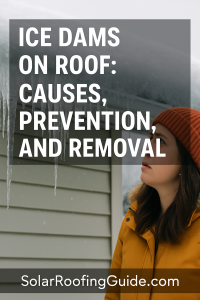
Ice Dams On Roof: Causes, Prevention, And Safe Removal For Homeowners
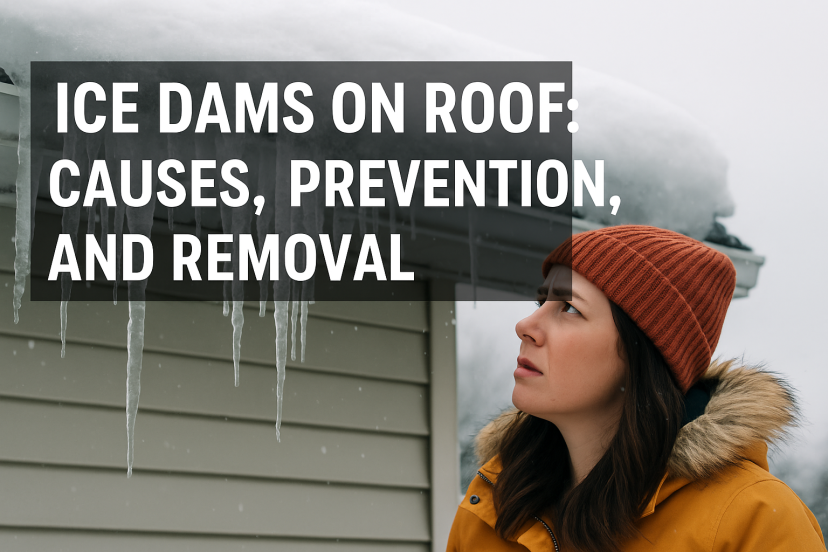
🏠 A Winter Problem That Can Quietly Destroy Your Roof
When snow piles up on your roof, it may look harmless. But beneath that winter blanket, heat escapes, snow melts, refreezes, and suddenly ice dams on roof edges begin to form. Over time, those icy ridges trap water, forcing it under shingles and into your home.
For U.S. homeowners focused on cutting energy bills, protecting roofing investments, or preparing for solar panels, ice dams are more than a seasonal nuisance. They are a sign of energy loss and a leading cause of winter roof leaks.
This guide explains why roof ice buildup forms, how ventilation and insulation play a role, and the safest ways to prevent and remove ice dams—without damaging your roof or voiding warranties.
❄️ Why Ice Dams On Roofs Are A Serious Problem
Ice dams don’t have to cause visible leaks to do damage.
✅ Risks Of Ignoring Ice Dams
- Shingle lift and underlayment failure
- Insulation saturation and mold growth
- Interior wall and ceiling damage
- Gutter detachment and structural strain
- Reduced energy efficiency and higher heating bills
Addressing ice dams early protects both your roof and your home’s energy performance.
🧊 What Are Ice Dams On Roofs (And How They Form)?
Ice dams form when part of your roof surface is warmer than the edges.
✅ Step-By-Step Ice Dam Formation
- Heat escapes from the attic
- Snow melts on the upper roof surface
- Meltwater flows to cold eaves
- Water refreezes, creating roof ice buildup
- Trapped water backs up under shingles
This hidden process is why ice dams on roof edges often appear without obvious roof defects.
🏠 The Root Causes Behind Roof Ice Buildup
Understanding the cause helps prevent repeat problems.
✅ Main Causes Of Ice Dams
- Poor attic insulation
- Inadequate roof ventilation
- Air leaks from living spaces
- Complex rooflines with valleys and dormers
Ice dams are rarely caused by snow alone—they’re a symptom of heat imbalance.
🔋 Why Ice Dams Signal Energy Loss
Ice dams directly reflect efficiency issues.
🔋 Energy Impact Of Ice Dams
- Heated air is escaping through the attic
- Lower insulation effectiveness
- Increased furnace run time
- Higher winter energy bills
Preventing ice dams often reduces heating costs—sometimes noticeably within the first season.
🏠 Roof Types Most Vulnerable To Ice Dams
Some roof designs are more prone than others.
✅ High-Risk Roof Features
- Low-slope roof sections
- Asphalt shingles without ice barriers
- North-facing roof areas
- Older roofing systems
- Homes with cathedral ceilings
Knowing your roof’s risk profile helps you plan more effective prevention.
🔍 How To Prevent Ice Dams On Roofs (Best Long-Term Solutions)
Prevention focuses on temperature balance.
🧱 Insulation Upgrades That Stop Ice Dams
Insulation reduces heat loss into the attic.
✅ Effective Insulation Strategies
- Upgrade attic floor insulation (R-38 or higher)
- Seal attic knee walls
- Insulate the above garage ceilings
Proper insulation is one of the most reliable ways to prevent winter roof leaks linked to ice dams.
🌬️ Ventilation: The Most Overlooked Ice Dam Solution
Ventilation keeps roof temperatures consistent.
✅ Ventilation Best Practices
- Balanced intake (soffit) and exhaust (ridge) vents
- Clear airflow paths above insulation
- Baffles installed to prevent blockage
Good ventilation prevents uneven snow melting—a major contributor to roof ice buildup.
🌀 Air Sealing: Stop Warm Air At The Source
Warm air leaks accelerate ice dam formation.
✅ Common Air Leak Sources
- Attic hatch and pull-down stairs
- Bathroom exhaust fans
- HVAC duct penetrations
- Recessed lighting
Sealing air leaks increases comfort and reduces heating costs year-round.
❄️ Safe Ice Dam Removal Methods (What You Can — And Can’t — Do)
Not all ice removal techniques are safe.
✅ Safer Ice Dam Removal Options
- Roof rakes (from ground level only)
- Calcium chloride melting socks
- Professional steam removal
🚫 Unsafe Removal Methods
- Chiseling or hammering ice
- Pouring hot water on the roof
- Using sharp tools or metal scrapers
Improper removal can void warranties and cause shingles to crack.
💰 Ice Dam Damage Repair Costs In The U.S.
Costs vary widely depending on the extent.
💰 Typical Cost Ranges
- Ice dam removal (professional): $400–$1,500
- Interior water damage repair: $1,500–$6,000
- Insulation and air sealing upgrades: $1,000–$4,000
Prevention is almost always cheaper than emergency repairs.
🏠 Ice Dams And Gutters: A Risky Combination
Ice buildup stresses gutter systems.
✅ Gutter-Related Ice Dam Issues
- Ice adds extreme weight
- Gutters pull away from the fascia
- Water damage behind siding
While gutters don’t cause ice dams, damaged gutters can make leaks worse.
☀️ Ice Dams On Roofs With Solar Panels
Solar is compatible—but planning matters.
✅ Solar & Ice Dam Considerations
- Panels can change snow-melt patterns
- Improper flashing increases leak risk
- Ventilation improvements are often required
A properly insulated and ventilated roof reduces ice dam risk even with solar installed.
🔋 Energy Incentives & Winter Roof Improvements
Some upgrades may align with incentives.
✅ Potential Incentive Opportunities
- Energy-efficient insulation programs
- State utility rebates
- Federal Solar Tax Credit (when combined with solar upgrades)
Timing roof and energy improvements together can maximize savings.
🏠 When To Call A Professional Roofer Or Energy Specialist
Some situations require expert help.
✅ Call A Professional If:
- Ice dams cause recurring leaks
- Attic insulation is inadequate
- You see interior staining or mold
- Gutters or fascia are damaged
- Planning solar installation
Professionals can diagnose ventilation, insulation, and structural issues accurately.
❓ FAQs: Ice Dams On Roof
1️⃣ Are ice dams dangerous to my roof?
Yes. They force water under shingles, causing leaks and rot.
2️⃣ Can ice dams cause mold?
Absolutely. Trapped moisture often leads to hidden mold growth.
3️⃣ Do heat cables prevent ice dams?
They help in small areas but don’t address root causes like insulation.
4️⃣ Will replacing shingles stop ice dams?
Not by itself. Insulation and ventilation matter more.
5️⃣ Can insurance cover ice dam damage?
Often yes, but coverage varies by policy and maintenance history.
6️⃣ Should I remove snow after every storm?
Removing excess snow can reduce risk, especially after heavy snowfall.
7️⃣ Do energy-efficient homes get ice dams?
Less often. Proper insulation and sealing greatly reduce risk.
💥 Conclusion: Stop Ice Dams Before Winter Roof Leaks Begin
Ice dams on roof edges aren’t just a winter inconvenience—they’re a warning sign of energy loss and potential damage. By improving insulation, correcting ventilation, sealing air leaks, and using safe removal methods, homeowners can prevent costly winter roof leaks and protect long-term roof performance.
If winter has already revealed weak spots, now is the time to act. Fixing the root cause improves comfort, lowers energy bills, and prepares your home for future upgrades like solar.
✅ Schedule a winter roof inspection or energy assessment to protect your roof before the next freeze.
⚠️ Disclaimer
Costs, materials, and incentive availability vary by region and home structure. Always consult a licensed roofing or energy professional before performing maintenance or upgrades.
 Explore more:
- Emergency Roofing Services
- Roof Replacement Process: What To Expect Step-By-Step
- Residential Roofing Company: How To Choose The Right