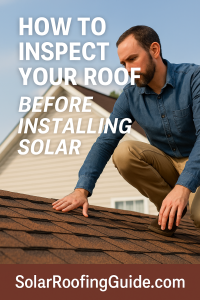
How to Inspect Your Roof Before Installing Solar (Complete Roof Inspection Solar Checklist)
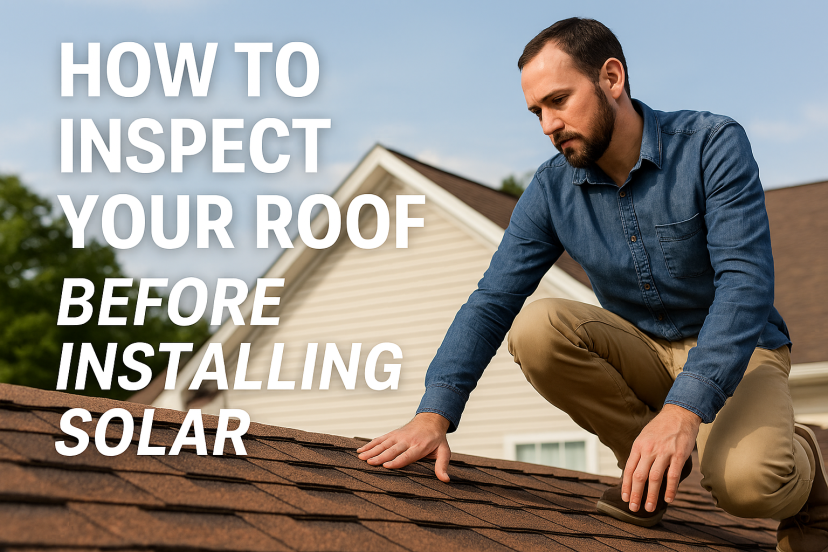
🔋💰 Why Roof Inspection Solar Checks Save You Thousands
Installing solar panels is one of the smartest upgrades U.S. homeowners can make to cut electricity bills and boost home value. But before panels ever touch your roof, there’s one critical step many homeowners skip: a proper roof inspection solar check.
Solar panels are designed to last 25–30 years. That means your roof must be strong enough to last just as long. If hidden damage, weak shingles, or aging underlayment go unnoticed, you could face expensive panel removals, surprise leaks, or even total roof replacement after installation.
This guide will walk you through:
-
How to inspect your roof step-by-step
-
What damage signs to look for
-
How shingles and underlayment affect solar readiness
-
When DIY inspections are enough
-
When to call a professional
By the end, you’ll know exactly whether your roof is truly solar-ready ✅
☀️ Why Roof Inspection Matters Before Solar Installation
A proper roof inspection solar evaluation protects your:
-
Solar investment
-
Roof lifespan
-
Home’s structural integrity
-
Weather protection
-
Warranty coverage
If your roof fails early, solar panels must be removed before repairs begin — adding thousands in extra labor costs.
Key Benefits of Inspecting First
-
Identifies hidden water damage early
-
Prevents solar mounting stress on weak decking
-
Protects against leaks and mold growth
-
Extends both the roof and the solar system lifespan
-
Improves eligibility for solar warranties
🏠 How Old Is “Too Old” for Solar?
Roof age is one of the first things installers check during any roof inspection solar review.
| Roofing Type | Average Lifespan | Solar Ready at 15+ Years? |
|---|---|---|
| Asphalt shingles | 20–25 years | Often no |
| Architectural shingles | 30+ years | Maybe |
| Metal roofing | 40–70 years | Usually yes |
| Tile roofing | 50+ years | Often yes |
✅ General rule:
If your roof has less than 10–12 years remaining, replacing it before solar is usually the most cost-efficient move.
🔍✅ DIY Roof Inspection Solar Checklist
Use this checklist from ground level or a ladder with extreme caution.
1. Check for Visible Shingle Damage 🏠
Look for:
-
Cracked shingles
-
Curling edges
-
Bald spots where granules are missing
-
Discoloration or algae streaks
Damaged shingles reduce structural strength and raise leak risks once solar mounts are installed.
⚠️ 2. Inspect for Soft Spots and Sagging
Sagging rooflines indicate:
-
Weak decking
-
Water-rotted rafters
-
Structural settlement
Solar panels add weight, so even minor sagging becomes a major red flag.
💧 3. Look for Flashing Failures Around Roof Penetrations
Flashing surrounds:
-
Chimneys
-
Vents
-
Skylights
-
Plumbing pipes
Warning signs:
-
Rusty metal
-
Loose edges
-
Cracks in the sealant
-
Dark stains nearby
Faulty flashing is the #1 cause of solar-related roof leaks.
🧱 4. Examine Underlayment Where Visible
Underlayment is your waterproof protection beneath shingles.
Watch for:
-
Bubbling sections
-
Tarp-like exposure
-
Rotting edges
If your roof underlayment is failing, solar mounts may trigger leaks quickly.
🏚️ 5. Inspect Attic for Water Damage
Inside your attic, look for:
-
Mold growth
-
Dark wood stains
-
Wet insulation
-
Daylight shining through the decking
These signs signal hidden structural issues that a surface inspection may miss.
☀️✅ Roof Inspection Solar & Solar Readiness Factors
Beyond basic conditions, solar readiness also depends on:
-
Load-bearing capacity
-
Roof orientation
-
Pitch and slope angle
-
Shade exposure
-
Fire setback compliance
Even a perfect roof may require layout adjustments for solar zoning and safety spacing.
🏠🔋 Shingle Type & Solar Compatibility
| Shingle Type | Solar Readiness |
|---|---|
| Asphalt shingles | Excellent |
| Architectural shingles | Excellent |
| Wood shingles | Poor |
| Clay tile | Specialized |
| Concrete tile | Specialized |
| Metal standing seam | Excellent |
Wood shingles often void solar warranties due to fire hazards.
Roof Inspection Solar & Energy Incentives 💰🇺🇸
The federal government currently offers the Federal Solar Tax Credit through the Internal Revenue Service. This credit covers 30% of total solar system costs, including installation.
However, roof replacement costs are only eligible when required for solar mounting and may require installer documentation.
Programs tied to Energy Star may also impact eligibility for roofing upgrades.
State and utility incentives vary widely, making inspection timing critical.
💰 How Roof Inspection Solar Affects Installation Costs
Poor roof condition increases:
-
Labor hours
-
Mounting complexity
-
Leak prevention materials
-
Structural reinforcement needs
-
Insurance liability
Replacing a roof after installing solar costs 30–50% more than replacing it before.
🔍 DIY vs Professional Roof Inspection Solar
DIY Inspection Works When:
-
The roof is under 10 years old
-
No visible damage
-
No attic staining or sagging
Professional Inspection Is Required When:
-
The roof is 15+ years old
-
Previous storm damage reported
-
Tile or specialty roofing is present
-
The solar system is over 10 kW
-
Insurance requires documentation
Certified inspections often include:
-
Moisture scanning
-
Structural decking analysis
-
Mount-point stress simulation
📜⚠️ Roof Warranties & Solar Installation
Improper solar mounting can void roofing warranties if:
-
Drilling penetrates waterproof membranes
-
Flashing is incorrectly installed
-
Unapproved fasteners are used
-
Weight distribution exceeds rating
Always confirm:
-
Solar warranty length
-
Roof warranty compatibility
-
Installer certification
🛠️ When to Call a Professional Solar or Roofing Installer
Contact a certified installer if:
-
Your roof is over 12 years old
-
You see interior water stains
-
Shingles are curling or missing
-
Underlayment is exposed
-
The roofline shows structural sag
-
You plan a solar system above 8 kW
A professional roof inspection solar assessment protects both your roof and your solar investment.
❓ Roof Inspection Solar FAQ Section
1. Can I install solar panels on a damaged roof?
No. Even minor roof damage will worsen under solar mounting pressure.
2. Is a roof inspection required for solar permits?
Yes. Many U.S. municipalities require proof of roof condition before approving solar permits.
3. Does roof replacement qualify for solar tax credits?
Only if structural work is required for solar panel installation.
4. How long does a solar roof inspection take?
Most inspections take 60–90 minutes for full documentation.
5. Will solar panels extend my roof’s lifespan?
They can protect shingles from UV exposure, but only if the roof is structurally sound.
6. Can I install solar on a roof with one leak?
No. Even one leak indicates compromised waterproofing.
7. Should I replace my roof and solar together?
Yes. Bundling both often reduces overall labor costs by thousands.
☀️ Conclusion: The Smartest Solar Investment Starts With Roof Inspection
A proper roof inspection solar assessment is the foundation of a successful solar project. No matter how advanced the solar technology is, your system is only as strong as the roof beneath it.
Inspecting for:
-
Damage signs
-
Shingles condition
-
Underlayment health
-
Structural strength
-
Solar readiness
Protects your home, your finances, your warranties, and your long-term energy savings.
✅ Next smart step:
If your roof is over 10 years old or shows any wear, request a professional inspection and solar quote before moving forward.
Disclaimer
Pricing, incentives, and tax benefits vary by location. Always consult a licensed roofing or solar professional before making installation decisions.
 Explore more:
- How Often Should You Clean Your Roof?
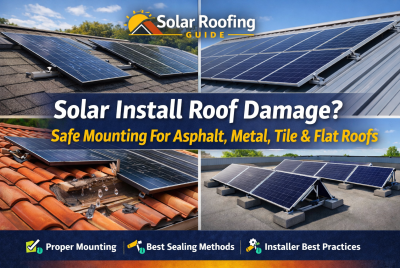
- How To Avoid Roof Damage When Installing Solar
- Roof Ventilation Explained: Why It Matters For Your Home