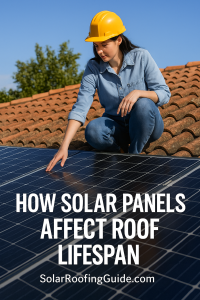
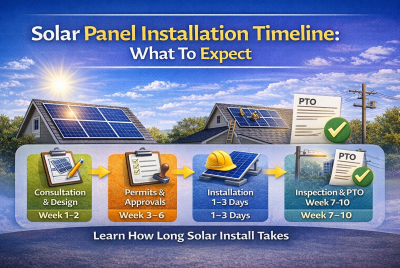
How Solar Panels Affect Roof Lifespan: What U.S. Homeowners Need to Know
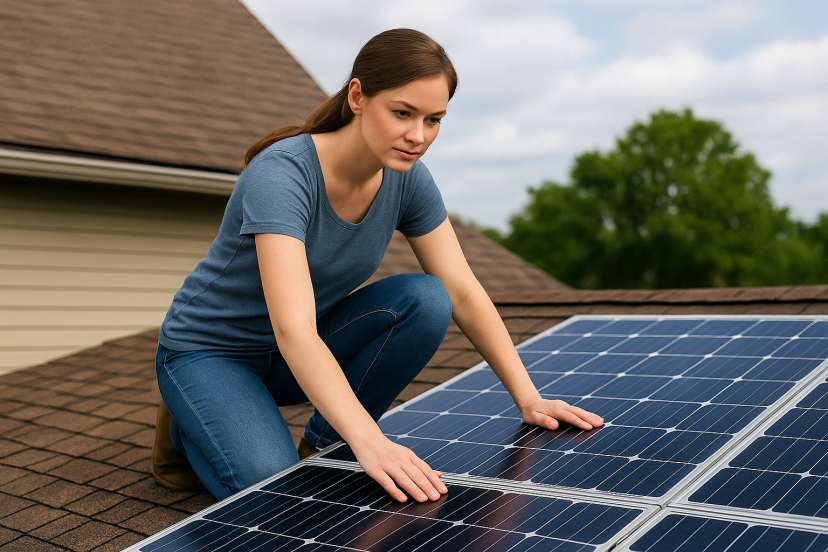
🏠 Do Solar Panels Extend or Reduce Roof Lifespan? Here’s the Real Answer
Solar energy isn’t just a way to slash electric bills — it can also impact how long your roof lasts. Many U.S. homeowners want to know whether installing solar panels will shorten, extend, or protect their roof lifespan.
Here’s the good news:
👉 When installed correctly, solar panels often extend roof lifespan — not shorten it.
Why? Because solar panels act like a protective shield, blocking harsh UV rays, reducing heat exposure, and keeping roofing materials in better condition over time.
In this guide, you’ll learn exactly how solar affects roof durability, how maintenance plays a role, and what U.S. homeowners can do to maximize both energy benefits and long-term roof protection.
☀️ What Is the Roof Lifespan With Solar Panels Installed?
To understand how solar panels affect roof lifespan, you first need to know the average lifespan of common U.S. roofing materials:
| Roofing Material | Avg. Lifespan Without Solar | Avg. Lifespan With Solar |
|---|---|---|
| Asphalt shingles | 20–25 years | 25–30 years with proper installation |
| Metal roofs | 40–70 years | 40–70 years (solar has minimal impact) |
| Tile roofs | 50+ years | 50+ years (solar installation compatible) |
| Flat roofs | 20–30 years | 20–30 years (needs proper racking system) |
⭐ Key Point
Solar panels can extend roof lifespan by 5–10 years since the covered portion of the roof is shielded from sunlight, heat, wind, rain, and hail.
🛡️ How Solar Panels Protect the Roof (Major Benefits)
☀️ 1. Solar Panels Block UV Rays
UV exposure is one of the biggest contributors to roofing deterioration. Solar panels completely cover and shade large sections of your roof, preventing:
-
Cracking
-
Shingle curling
-
Granule loss
-
Fading
This slows wear and keeps the roof structurally stronger for longer.
🌡️ 2. They Reduce Thermal Expansion (Cooling Effect)
Roofs expand and contract due to heat fluctuations. Over time, this causes:
-
Loosened shingles
-
Warped underlayment
-
Weakened sealants
Solar panels reduce direct heat exposure, helping maintain more stable temperatures.
This cooling effect also helps:
-
Lower attic temperatures
-
Improve home energy efficiency
-
Reduce HVAC strain
🌪️ 3. Improved Weather Protection
Solar panels act as a protective barrier against:
-
Hail
-
Heavy rain
-
Snow
-
Wind-driven debris
While the edges remain exposed, the covered area benefits significantly from reduced impact.
🧱 4. They Add Structural Stability
Solar mounting systems anchor into roofing rafters. This improves:
-
Wind uplift resistance
-
Roof rigidity
-
Overall structural stability
Homes in hurricane-prone states like Florida, Texas, South Carolina, Louisiana, and North Carolina benefit most.
🔧 5. Modern Mounting Systems Prevent Leaks
Old solar installations sometimes caused leaks.
But today’s systems use:
-
Flashed mounts
-
Waterproof sealants
-
Raised rails
-
Manufacturer-certified hardware
These systems are designed to maintain — or even improve — moisture protection.
⚠️ When Solar Panels Can Reduce Roof Lifespan
Even though solar often extends roof longevity, issues can arise under certain conditions.
🚨 1. Poor Installation
The main risk is improper work by inexperienced installers.
Problems include:
-
Incorrect flashing
-
Poorly sealed penetrations
-
Wrong mounting brackets
-
Damage to shingles during installation
Always work with a licensed, reputable solar installer who specializes in roofing integrations.
🚨 2. Installing Solar on Old Roofing
If your roof is 15+ years old, installing solar without replacing the roof is risky.
You may need to remove the panels again within a few years — costing $2,000–$5,000 for removal and reinstallation.
🚨 3. Incorrect Mounting on Certain Roof Types
Roof types that need special attention:
-
Wood shake
-
Slate
-
Clay tiles
-
Stone-coated metal
These require specialized mounting systems to avoid damage.
🧰 Solar Panels Roof Lifespan: Installation Tips That Protect Your Roof
These best practices ensure your solar panels increase roof durability instead of harming it.
🛠️ 1. Install Solar on a Roof With at Least 15+ Years Left
A general rule:
-
If your roof is older than 15 years → replace it before solar
-
If your roof is newer than 10 years → safe for solar
-
If in the middle → get a professional inspection
🛠️ 2. Choose the Right Mounting System
Different roofs require different mounting solutions:
✔️ For asphalt shingles:
-
Flashing-based mounts
-
Stainless steel bolts
-
Raised rails
🧩 For metal roofs:
-
Standing seam clamps (no penetrations)
-
Corrugated brackets with gaskets
✔️ For tile roofs:
-
Specialized hooks
-
Tile replacement mounts
Correct hardware = maximum lifespan.
🛠️ 3. Use Certified Installers
Choose companies certified by:
-
NABCEP (North American Board of Certified Energy Practitioners)
-
GAF Solar
-
Tesla Solar Roof
-
IronRidge mounting systems
This minimizes installation risk.
🛠️ 4. Keep Roof Ventilation Clear
Panels should never block:
-
Ridge vents
-
Soffit vents
-
Attic ventilation paths
Proper airflow prevents moisture buildup.
🛠️ 5. Clean Roof Debris Regularly
Maintenance includes:
-
Removing leaves
-
Rinsing dust buildup
-
Checking gutters
This prevents moisture retention under solar arrays.
💵 Do Solar Panels Save Money on Roofing Costs?
Absolutely — and this is rarely discussed.
Here’s how solar reduces lifetime roofing costs:
💰 1. Less roof wear = fewer repairs
Since solar protects roof sections, you pay less for:
-
Shingle replacements
-
Sealing
-
Patching leaks
💰 2. The roof area covered by solar lasts longer
If 50–70% of the roof is shielded, that portion may outlast the rest.
💰 3. Roof replacement timing can be optimized
Many homeowners replace their roof before solar installation, allowing:
-
Better financing
-
Bundled tax advantages
-
Long-term protection
💰4. Lower cooling bills
Solar panels reduce heat load, which cuts AC costs by 10–15% in states like AZ, TX, NV, CA, and FL.
🔋 U.S. Energy Incentives: Roof & Solar Benefits
🌞 Federal Solar Tax Credit (ITC)
All solar installations qualify for the 30% federal tax credit.
🏡 Roofing Incentives
If roof improvements are necessary to support solar, certain costs (e.g., structural reinforcement) may qualify for partial credits.
⚡ Utility rebates
States with strong incentives:
-
CA
-
NY
-
MA
-
CO
-
NJ
-
AZ
-
TX
-
MN
🧊 Cool Roof Benefits
Some roofing materials earn:
-
Energy Star rebates
-
State-level cool-roof incentives
🧩 How Solar Panels Affect Roof Lifespan Across Roof Types
🏠 Asphalt Shingles
-
Most common solar roof type
-
Lifespan increases 5–10 years under panels
-
Requires proper flashing
🧱 Metal Roofing
-
Best pairing with solar
-
Panels do NOT reduce lifespan
-
Standing seam = no roof penetrations
🧱 Tile Roofing
-
Long-lasting
-
Requires specialized mounts
-
Excellent solar compatibility
🏢 Flat Roofing
-
Uses ballast systems
-
No penetrations needed
-
Must ensure adequate drainage
📉 Can Solar Panels Cause Roof Damage?
Rarely — and only when:
-
The installation quality is poor
-
Old roofs weren’t inspected
-
The wrong hardware was used
A properly installed system should not damage your roof. In fact, solar installers offer dedicated roof penetration warranties (10–25 years).
✴️ When to Call a Professional Roofing or Solar Installer
Call a certified expert if:
-
Your roof is older than 12–15 years
-
You see leaks or shingle deterioration
-
You’re unsure which mounts your roof needs
-
You want a lifespan assessment before installation
-
You live in high-wind or high-snow zones
A roof inspection + solar evaluation ensures your installation boosts — not harms — roof durability.
❓ FAQs: Solar Panels & Roof Lifespan
1. Do solar panels make your roof last longer?
Yes — they protect large roof sections from UV exposure, heat, and weather.
2. Can solar panels damage the roof?
Only if installed incorrectly or on a roof nearing the end of its life.
3. How long do roofs last with solar?
With proper installation, roofs often last longer under solar panels.
4. Do solar panels increase home value?
Yes — solar systems typically increase home value by $10,000–$25,000.
5. Should I replace my roof before installing solar?
Replace your roof first if it’s 15+ years old or shows damage.
6. Do solar panels cause roof leaks?
Not with modern flash mounts and certified installers.
7. Can solar panels be installed on all roof types?
Yes — asphalt, metal, tile, flat roofs, and more — with proper mounting hardware.
🌞 Final Thoughts: Do Solar Panels Improve Roof Lifespan?
Here’s the bottom line:
🧩 Solar panels usually extend the roof’s lifespan.
✔️ Lower maintenance costs.
🧩 Protect roofing materials.
✔️ Reduce heat exposure.
🧩 Increase home energy efficiency.
With proper installation and a healthy roof, solar isn’t just an energy upgrade — it’s a roof protection upgrade.
⚠️ Disclaimer
Solar and roofing costs vary by state, materials, labor, and installation type. Always consult a licensed roofing and solar contractor for accurate estimates and incentive eligibility.
 Explore more:
- Roof Slope Considerations for Solar Installation
- Roof Ventilation Tips with Solar Panels
- Should You Replace Your Roof Before Solar Panels?