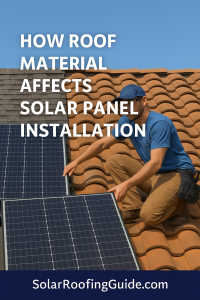
How Roof Material Impacts Solar Panel Installation (What Every Homeowner Must Know)
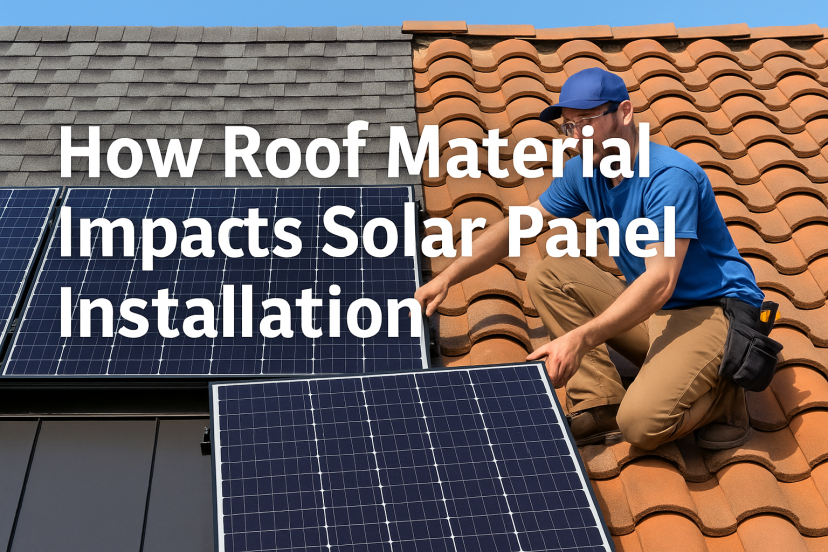
🏠 Your Roof Material Can Make or Break Your Solar Investment
If you’re planning to install solar panels, your roof material is one of the most important factors affecting:
-
Installation difficulty
-
Total project cost
-
System lifespan
-
Leak risk
-
Energy production
-
Maintenance needs
-
Long-term return on investment
Many U.S. homeowners focus only on panel brands and pricing, but roof material solar panels compatibility is just as critical.
Here’s the truth:
✅ The right roof material can reduce installation cost, improve efficiency, and extend system life
❌ The wrong roof material can increase labor, raise leak risk, and slow your ROI
This guide breaks down how asphalt, tile, and metal roofs affect solar installation, plus real-world costs, technical challenges, and long-term savings.
☀️ What “Roof Material Solar Panels” Compatibility Really Means
Roof compatibility refers to how easily and safely a solar system can be installed without:
-
Damaging the roof
-
Voiding warranties
-
Creating leak risks
-
Increasing labor complexity
-
Shortening system lifespan
Each roof type interacts very differently with solar mounting hardware, flashing systems, and electrical routing.
The three most common U.S. roof materials are:
-
Asphalt shingles
-
Tile roofing
-
Metal roofing
Let’s examine exactly how each one impacts solar installation.
✅ Asphalt Roof and Solar Panels (Most Common Setup in the U.S.)
Asphalt shingles cover more than 70% of U.S. homes, making them the most common solar roof material.
☀️ Why asphalt is solar-friendly:
-
Easy to drill and flash
-
Widely supported by installers
-
Compatible with all racking systems
-
Affordable to repair
🔧 Installation Difficulty on Asphalt Roofs
Installation difficulty is low to moderate.
Solar panels are mounted using:
-
Lag bolts into rafters
-
Aluminum flashing around each penetration
-
Raised rail systems
This allows:
✅ Secure mounting
✅ Proper waterproofing
✅ Easy system repairs
💰 Asphalt Roof Solar Cost Impact
Asphalt creates the lowest total installation cost.
-
Roof replacement: $4–$7 per sq ft
-
Solar mounting labor: standard national rates
-
Panel removal for future roofing: $1,500–$4,000
This makes asphalt the most budget-friendly solar roof material.
🔋 Efficiency & Performance on Asphalt
Performance is strong but slightly affected by heat retention.
-
Asphalt absorbs heat
-
Panels run warmer than on metal
-
Overall output remains excellent
Efficiency loss vs metal:
-
About 3%–6% lower output in very hot climates
🛡️ Roofing Warranty Considerations
Most manufacturers allow solar installation only when flashing is properly installed. Poor workmanship can void both:
-
Roofing warranty
-
Solar penetration warranty
✅ Asphalt Roof Summary
-
Installation difficulty: Low
-
Solar compatibility: Excellent
-
Cost impact: Lowest
-
Efficiency: High
-
Leak risk: Low with proper flashing
-
Best for: Budget-focused homeowners
✅ Metal Roof and Solar Panels (Best Technical Match)
Metal roofs deliver the highest technical compatibility with solar panels.
Common metal types:
-
Standing seam metal
-
Corrugated metal
-
Stone-coated steel
🔧 Installation Difficulty on Metal Roofs
Standing seam metal (Best option)
-
Uses clamp-on mounts
-
Requires zero roof penetrations
-
Offers the lowest leak risk
Corrugated metal
-
Requires drilled penetrations
-
Uses gasketed fasteners
-
Still very leak-resistant when installed correctly
Overall installation difficulty:
✅ Standing seam: Very low
⚠️ Corrugated: Moderate
💰 Metal Roof Solar Cost Impact
Metal roofs cost more upfront but reduce long-term expenses.
-
Metal roof cost: $10–$17 per sq ft
-
Solar mounting labor: Often lower than asphalt
-
Panel reinstallation later: Rarely needed
Because metal roofs last 40–70 years, most homeowners never have to remove panels again.
🔋 Efficiency & Cooling on Metal Roofs
Metal roofs reflect sunlight and improve airflow, which:
-
Keeps panels cooler
-
Increases output
-
Reduces thermal stress on hardware
Metal roofs often deliver:
✅ 5%–10% higher lifetime energy production
🛡️ Warranty Protection on Metal Roofs
Standing seam systems preserve:
-
Roofing warranty
-
Solar mounting warranty
-
Leak protection guarantees
This creates the lowest legal and repair risk of any roof type.
✅ Metal Roof Summary
-
Installation difficulty: Very low
-
Solar compatibility: Best overall
-
Cost impact: Higher roofing, lower solar labor
-
Efficiency: Highest
-
Leak risk: Lowest
-
Best for: Long-term solar ownership
⚠️ Tile Roof and Solar Panels (High Complexity Setup)
Tile roofing includes:
-
Clay tiles
-
Concrete tiles
-
Spanish and barrel tile styles
Tile looks beautiful — but it creates high installation difficulty for solar.
🔧 Installation Difficulty on Tile Roofs
Tile requires:
-
Individual tile removal
-
Specialized mounting hooks
-
Replacement tiles around mounts
-
Precision flashing
Major risks:
-
Tile breakage
-
Improper sealing
-
Hidden leaks
Installation difficulty:
❌ High
💰 Tile Roof Solar Cost Impact
Tile has the highest solar labor cost.
-
Tile roof cost: $12–$20 per sq ft
-
Broken tile replacement: $300–$800 per section
-
Extra mounting labor: $2,000–$6,000 additional
Total solar project cost often increases 20%–40% on tile roofs.
🔋 Efficiency & Heat Retention on Tile Roofs
Tile reflects sunlight well, but traps heat underneath.
-
Panel cooling is reduced
-
Airflow is restricted
-
Efficiency is slightly lower than metal
🛡️ Warranty Risks on Tile Roofs
Tile roofs are harder to warranty after installation due to:
-
Manual tile modifications
-
Breakage during install
-
Limited roofing manufacturer support for solar mounts
✅ Tile Roof Summary
-
Installation difficulty: High
-
Solar compatibility: Good with experienced installers
-
Cost impact: Highest labor
-
Efficiency: Moderate-high
-
Leak risk: Moderate with poor flashing
-
Best for: High-end homes with professional crews
📊 Roof Material Solar Panels Comparison Table
| Roof material | Installation difficulty | Cost impact | Efficiency | Leak risk | Lifespan |
|---|---|---|---|---|---|
| Asphalt | Low | Lowest | High | Low | 20–30 years |
| Metal | Very low | Medium | Highest | Very low | 40–70 years |
| Tile | High | Highest | Moderate | Medium | 40–75 years |
⚙️ Installation Errors by Roof Type (What Causes Problems)
Asphalt errors
-
Missing flashing
-
Missed rafters
-
Over-tightened lag bolts
Metal errors
-
Incorrect clamp torque
-
Galvanic corrosion
-
Penetration of the standing seam
Tile errors
-
Broken tiles
-
Improper hook placement
-
Incomplete waterproof underlayment
💰 Long-Term Savings by Roof Material
Long-term solar savings are influenced by:
-
System uptime
-
Maintenance frequency
-
Panel removal costs
-
Roof replacement timing
Average 25-year savings potential:
-
Asphalt roof + solar: $20,000–$40,000
-
Metal roof + solar: $30,000–$60,000
-
Tile roof + solar: $18,000–$35,000
Metal delivers the highest lifetime system ROI.
☀️ Incentives Apply Regardless of Roof Type
All roof materials qualify for solar incentives.
✅ Federal Solar Tax Credit
-
30% of the total solar system cost through 2032
-
Covers:
-
Panels
-
Inverters
-
Mounting hardware
-
Batteries
-
✅ Additional state and local incentives:
-
Net metering credits
-
Utility rebates
-
Property tax exemptions
-
Energy Star home upgrades
Roof material does not affect eligibility.
🧰 Roof Protection & Maintenance by Material
Asphalt maintenance
-
Annual flashing inspection
-
Sealant replacement after 8–12 years
Metal maintenance
-
Clamp inspections every 3–5 years
-
Almost no leak maintenance
Tile maintenance
-
Tile replacement checks
-
Underlayment deterioration inspection
Metal requires the least long-term maintenance after solar installation.
🏡 Roof Material and Solar Resale Value Impact
Solar-equipped homes sell for:
-
$10,000–$25,000 more on average
Metal roof + solar delivers:
✅ Highest resale premium
✅ Strongest buyer appeal
✅ Best inspection outcomes
🔋 How Roof Material Impacts Panel Removal Costs
If panels must be removed later (roof repairs or upgrades):
-
Asphalt: $1,500–$4,000
-
Metal: Often $0 (no removal needed)
-
Tile: $3,000–$7,000
This single factor alone makes metal the most future-proof solar roof.
🔨 When to Call a Professional
Call a licensed solar + roofing professional if:
-
Your roof is over 12–15 years old
-
Your home has tile or specialty metal roofing
-
You live in a hurricane or snow-load zone
-
You plan a battery storage addition
-
You want warranty protection on penetrations
Professional inspections evaluate:
-
Rafter strength
-
Roof pitch
-
Shading
-
Structural load
-
Permit rules
❓ FAQs – Roof Material and Solar Panels
1. Which roof material is best for solar panels?
Metal roofs deliver the best overall performance and lowest leak risk.
2. Can solar panels be installed on tile roofs?
Yes, but installation difficulty and cost are significantly higher.
3. Are asphalt shingles good for solar?
Yes, asphalt is the most common and most affordable solar roof material.
4. Does roof material affect solar efficiency?
Yes. Cooler, well-ventilated roofs improve panel output.
5. Does metal roofing void solar warranties?
No. In fact, metal preserves both roofing and solar warranties best.
6. Is it cheaper to install solar on asphalt or metal?
Solar mounting is often cheaper on metal, but roofing itself costs more.
7. Should I change my roof before installing solar?
Yes, if your roof has less than 10–12 years of life left.
🌞 Final Takeaway: Roof Material Directly Controls Solar Success
Your roof material doesn’t just hold your solar panels — it determines:
✅ Installation difficulty
✅ Leak risk
✅ Maintenance cost
✅ Energy efficiency
✅ Long-term ROI
✅ Warranty protection
✅ Resale value
Best overall performance: Metal roof
Best budget solution: Asphalt roof
Highest labor complexity: Tile roof
Choosing the right roof material before you go solar can save thousands over the system’s lifetime.
⚠️ Disclaimer
Roof compatibility, installation difficulty, pricing, load requirements, and incentives vary by state, roof condition, and local building codes. Always consult a licensed solar installer and certified roofing contractor before making final decisions.
 Explore more:
- How Solar Panels Affect Roof Lifespan
- Roof Ventilation Tips with Solar Panels
- Should You Replace Your Roof Before Solar Panels?