How Often Should You Clean Your Roof? A Smart Maintenance Guide For Homeowners
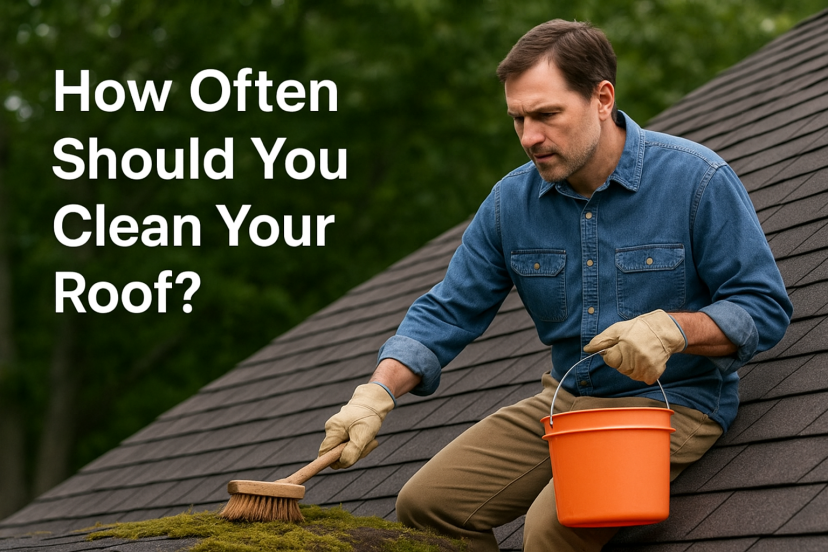
🏠 A Cleaner Roof Means A Smarter Home
If you’re a U.S. homeowner focused on lowering energy bills, protecting your biggest investment, or preparing your home for solar panels, roof maintenance matters more than you might think. One of the most common questions homeowners ask is how often should you clean your roof—and the answer depends on your roof type, climate, and long-term goals.
Roof grime, algae streaks, and moss growth don’t just affect curb appeal. They can trap heat, shorten roof lifespan, block solar efficiency, and even void warranties. Whether you already have solar panels or plan to install them, understanding proper roof cleaning frequency is a smart move.
This guide breaks down safe, cost-effective roof cleaning schedules, explains roof moss removal and roof algae cleaning, and helps you decide when DIY works—and when it’s time to call a professional.
🔍 Why Roof Cleaning Frequency Matters More Than You Think
Keeping up with regular roof maintenance protects both your home and your energy efficiency.
✅ Key Benefits Of Regular Roof Cleaning
-
Prevents premature roof aging and material breakdown
-
Improves cooling efficiency by reducing heat absorption
-
Protects solar panel output and inverter performance
-
Reduces the risk of costly repairs or roof replacement
-
Preserves manufacturer and installer warranties
Algae and moss act like sponges. They hold moisture against shingles, tiles, and flashing, accelerating deterioration—especially in humid U.S. regions.
🏠 How Often Should You Clean Your Roof By Roof Type
There’s no one-size-fits-all answer to how often should you clean your roof. The ideal schedule depends on materials, slope, shade, and local weather.
🟤 Asphalt Shingle Roofs
Recommended Cleaning: Every 1–2 years
Asphalt shingles are common across the U.S., but they’re especially vulnerable to algae stains and moisture retention.
Key Tips
-
Avoid pressure washing—it strips protective granules
-
Use gentle roof algae cleaning solutions approved by shingle manufacturers
-
Watch for dark streaks on north-facing or shaded sections
🏠 Metal Roofs
Recommended Cleaning: Every 2–3 years
Metal roofing resists moss better but still collects dirt, pollen, and oxidation.
Key Tips
-
Rinse with low-pressure water and non-abrasive cleaners
-
Watch for debris buildup around fasteners and seams
-
Ideal roof type for solar panels due to durability
🧱 Tile Roofs (Clay Or Concrete)
Recommended Cleaning: Every 2–3 years
Tile roofs are durable but prone to moss growth if untreated.
Key Tips
-
Professional roof moss removal is often safest
-
Cracked tiles can occur with improper cleaning
-
Algae can hide under overlapping tiles
🌲 Wood Shake Or Shingle Roofs
Recommended Cleaning: Every 1 year
Wood roofs need frequent attention due to moisture sensitivity.
Key Tips
-
Gentle methods only—no high pressure
-
Regular cleaning prevents rot and mold
-
Solar installation may require reinforced underlayment
🧪 Flat Or Low-Slope Roofs
Recommended Cleaning: Once per year
Common in modern and energy-efficient builds, flat roofs collect debris easily.
Key Tips
-
Clear leaves and standing water annually
-
Inspect drainage systems during cleaning
-
Essential before green roof or solar upgrades
🦠 Roof Moss Removal vs Roof Algae Cleaning: What’s The Difference?
Understanding what’s growing on your roof helps determine how often should you clean your roof.
✅ Roof Algae Cleaning
-
Appears as black or dark streaks
-
Common in humid areas (Southeast, Midwest)
-
Feeds on limestone fillers in shingles
⭐ Roof Moss Removal
-
Green, thick growth that spreads over time
-
Common in shaded or rainy regions (Pacific Northwest, Northeast)
-
Can lift shingles and trap water
✅ Moss usually requires more frequent cleaning than algae and often needs preventative treatments.
💰 Cost Of Roof Cleaning In The U.S.
Knowing the cost helps homeowners plan maintenance budgets realistically.
💰 Average Roof Cleaning Costs
-
Asphalt shingle roof: $250–$500
-
Tile or metal roof: $300–$800
-
Moss-heavy roofs: $400–$900
Factors Affecting Cost
-
Roof size and pitch
-
Amount of moss or algae
-
Accessibility and safety requirements
✅ Routine cleaning is far cheaper than replacing damaged roofing or solar components.
🔋 Roof Cleaning And Solar Panel Performance
If your home has solar—or you’re planning to install—it’s especially important to understand how often should you clean your roof.
☀️ Why A Clean Roof Helps Solar
-
Keeps panels properly aligned and shaded-free
-
Prevents moss from growing under panel frames
-
Improves airflow and cooling efficiency
Solar installers often recommend roof inspection and cleaning before installation to meet warranty conditions.
🔥 Best Roof Cleaning Methods (Safe And Effective)
Not all cleaning techniques are roof-safe.
✅ Safe Cleaning Options
-
Soft washing with biodegradable solutions
-
Manufacturer-approved algaecide treatments
-
Manual debris removal
❌ Methods To Avoid
-
High-pressure washing
-
Bleach-heavy solutions
-
Abrasive scrubbing tools
Improper methods can damage shingles, shorten roof life, and void warranties.
🏠 How Roof Maintenance Supports Energy Savings
A clean roof doesn’t just look good—it improves efficiency.
🔋 Energy Benefits
-
Reduces attic heat buildup
-
Lowers HVAC workload
-
Supports Energy Star roofing reflectivity standards
Homes with well-maintained roofs often see lower cooling costs, especially in southern states.
🔧 When To Call A Professional Roofer Or Solar Installer
Before tackling roof cleaning yourself, know when expert help is smarter.
✅ Call A Professional If:
-
Your roof has moss covering large areas
-
You have solar panels installed
-
The roof is steep or difficult to access
-
You’re preparing for solar installation
-
You want warranty-compliant cleaning
Certified solar and roofing professionals use safe methods that protect both your roof and energy investment.
❓ FAQs: How Often Should You Clean Your Roof
1️⃣ How often should you clean your roof in humid climates?
Most humid U.S. regions require cleaning every 1–2 years due to faster algae and moss growth.
2️⃣ Does roof algae cleaning really extend roof life?
Yes. Removing algae reduces moisture retention, which accelerates shingle deterioration.
3️⃣ Can I clean my roof myself?
Small jobs may be DIY-friendly, but professional cleaning is safer for steep or solar-equipped roofs.
4️⃣ Does roof moss removal damage shingles?
When done incorrectly, yes. Soft washing and professional treatment prevent damage.
5️⃣ Should I clean my roof before installing solar panels?
Absolutely. Clean roofs improve installation quality and protect solar warranties.
6️⃣ Will roof cleaning lower my energy bills?
Indirectly, yes—it improves cooling performance and solar output efficiency.
7️⃣ How often should you clean your roof if it’s shaded?
Shaded roofs typically need cleaning every year due to increased moss and algae growth.
💥 Conclusion: Clean Your Roof, Protect Your Investment
Understanding how often should you clean your roof helps homeowners avoid expensive repairs, protect solar investments, and improve energy efficiency. The right schedule—based on roof type and environment—keeps your home performing at its best for years to come.
If you’re considering solar panels or want to extend your roof’s lifespan, start with proper maintenance. A clean roof is a smart foundation for long-term savings.
✅ Explore solar-ready roofing options or request a local roof quote to see how your home can become more energy-efficient.
⚠️ Disclaimer
Pricing, incentives, and rebate availability vary by location. Always consult a licensed roofing or solar professional before performing maintenance or making upgrades.
 Explore more:
- Do Solar Panels Increase Home Value?
- Roof Coating Systems: Do They Really Extend Roof Life?
- Roof Ventilation Explained: Why It Matters For Your Home