Small Home Generators Vs Solar: Which Backup Power Option Saves You More?
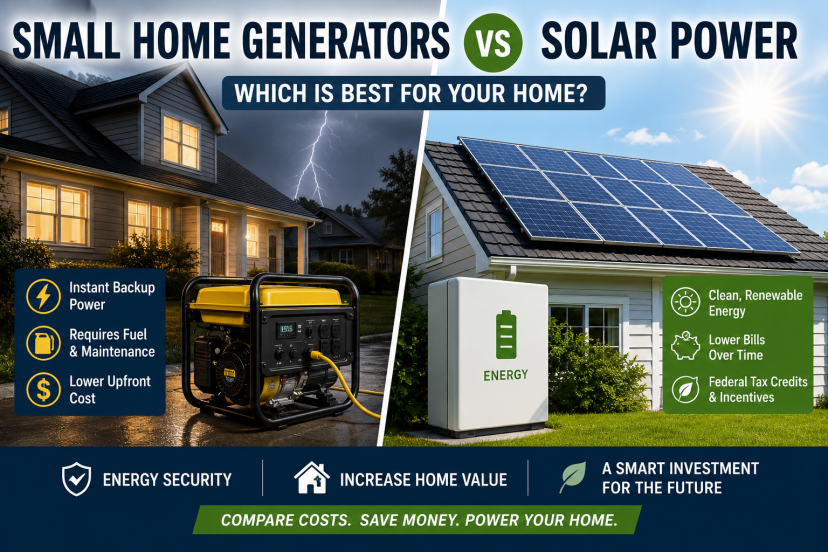
If you’re preparing for power outages or looking to reduce long-term energy costs, you’ve probably wondered about small home generators vs solar. Both provide backup electricity, but they work very differently and offer unique advantages depending on your home’s needs, budget, and long-term goals.
With severe weather becoming more common across many parts of the U.S. and electricity prices continuing to rise, homeowners are looking for smarter ways to improve energy security. Choosing between a portable generator, standby generator, or rooftop solar system isn’t always straightforward. Understanding the costs, maintenance, incentives, and long-term value can help you make the best investment.
⭐ Quick Answer: Small Home Generators Vs Solar
When comparing small home generators vs solar, generators usually cost less upfront and provide immediate backup power during outages. Solar systems cost more initially but offer long-term energy savings, lower utility bills, clean electricity, and may qualify for federal tax credits and state incentives. Many homeowners achieve the best resilience by combining solar panels with battery storage.
Key Takeaways
Most likely cause: When comparing small home generators vs solar, the biggest difference is how they provide power. Generators create electricity on demand using fuel, while solar panels generate electricity from sunlight and can pair with battery storage for backup power.
Usually serious? No. This is mainly a question of budget, backup-power needs, maintenance, and long-term energy goals. However, generators must be operated safely because improper placement can create carbon monoxide and other hazards.
First thing to check: Determine what you need to power during an outage, how frequently outages occur in your area, and whether you want emergency backup only or a system that can also reduce everyday electricity bills.
Best solution: A small generator can be practical for affordable, occasional backup power, while solar can provide ongoing electricity savings. For homeowners focused on both long-term energy savings and outage resilience, solar panels paired with battery storage may offer the most complete solution.
☀️ Understanding Small Home Generators Vs Solar
Both systems provide electricity, but they do so in very different ways.
A small home generator typically burns gasoline, propane, natural gas, or diesel to produce electricity during power outages.
A solar energy system generates electricity from sunlight using photovoltaic (PV) panels installed on your roof. When paired with a battery storage system, solar can also provide backup power when the grid goes down.
Understanding these differences is the first step toward selecting the right energy solution.
⚡ How Small Home Generators Work
Small generators create electricity using an internal combustion engine.
Common generator types include:
- Portable gasoline generators
- Portable inverter generators
- Standby natural gas generators
- Propane-powered generators
- Dual-fuel generators
Generator Advantages
- Lower initial purchase price
- Reliable during extended cloudy weather
- Immediate backup power
- Can operate day or night
- Easy to find at home improvement stores
Generator Limitations
- Requires fuel storage
- Produces exhaust emissions
- Regular maintenance required
- Louder operation
- Fuel prices fluctuate
Generators are excellent emergency tools but generally do not reduce your monthly electric bill.
🌞 How Solar Power Systems Work
Solar panels convert sunlight into electricity.
A complete residential solar system typically includes:
- Solar panels
- Inverter
- Mounting hardware
- Electrical wiring
- Monitoring system
- Optional battery storage
During sunny hours, your home uses solar electricity first. Excess power may be sent to the electrical grid through net metering, depending on your local utility program.
Adding battery storage allows homeowners to store unused electricity for nighttime use or outages.
🏡 Small Home Generators Vs Solar: Side-By-Side Comparison
| Feature | Small Generator | Solar Panels |
|---|---|---|
| Upfront Cost | Lower | Higher |
| Fuel Required | Yes | No |
| Monthly Savings | None | Yes |
| Backup During Outages | Yes | Yes (With Battery) |
| Maintenance | Moderate | Low |
| Noise | Loud | Silent |
| Emissions | Yes | None During Operation |
| Lifespan | 10–20 Years | 25–30+ Years |
| Home Value | Minimal Impact | May Increase Value |
For homeowners focused on long-term savings, solar often provides greater financial benefits over time.
💰 Installation Costs
Cost is one of the biggest deciding factors when comparing small home generators vs solar.
Typical Generator Costs
| Generator Type | Average Installed Cost |
|---|---|
| Portable Generator | $500–$2,000 |
| Inverter Generator | $800–$3,000 |
| Standby Generator | $5,000–$15,000 |
Typical Solar Costs
| Solar System Size | Average Installed Cost (Before Incentives) |
|---|---|
| 4 kW | $10,000–$14,000 |
| 6 kW | $15,000–$22,000 |
| 8 kW | $20,000–$28,000 |
Although solar costs more initially, federal and state incentives can significantly reduce the investment.
💵 Federal Solar Tax Credit And Energy Incentives
One major advantage of solar is access to financial incentives.

Eligible homeowners may qualify for the Federal Solar Investment Tax Credit (ITC), which helps lower installation costs by allowing qualifying expenses to be claimed on federal income taxes.
Additional incentives may include:
- 🌿 State solar rebates
- 💡 Utility rebates
- ⚡ Net metering credits
- 🏠 Property tax exemptions
- 💰 Sales tax exemptions (in some states)
Generators generally do not qualify for these renewable energy incentives.
🔋 Battery Storage Changes The Comparison
Battery technology has transformed residential solar.
Without batteries, standard grid-connected solar systems usually shut down during power outages for utility safety.
With battery storage, homeowners can:
- Store excess daytime electricity
- Power essential appliances overnight
- Keep refrigerators running
- Operate lights and internet
- Improve energy independence
Popular battery systems also provide automatic backup power without the noise or fuel requirements of generators.
🌎 Long-Term Savings
When evaluating small home generators vs solar, long-term operating costs matter.
Generator Expenses
- Fuel
- Oil changes
- Maintenance
- Engine repairs
- Replacement after years of use
Solar Savings
- Lower electric bills
- Minimal maintenance
- No fuel costs
- Long equipment lifespan
- Increased home value
Many homeowners recover the cost of solar over time through utility savings, especially in areas with high electricity rates.
🛠️ Roof Compatibility For Solar
Before installing rooftop solar, evaluate your roof carefully.
Ideal conditions include:
1. Roof Age
If your roof is nearing the end of its life, replacement before solar installation is often recommended.
2. Roof Orientation
South-facing roofs generally produce the most electricity.
East- and west-facing roofs can also perform well.
3. Roof Pitch
Moderate roof slopes maximize annual solar production.
4. Roofing Materials
Solar panels work well with:
- Asphalt shingles
- Standing seam metal roofs
- Composite roofing
- Concrete tile (special mounting required)
A certified installer can determine whether your roof is solar-ready.
🧰 Maintenance Requirements
Maintenance differs considerably between generators and solar systems.

Generator Maintenance
- Change oil regularly
- Replace spark plugs
- Inspect fuel lines
- Test monthly
- Store fuel safely
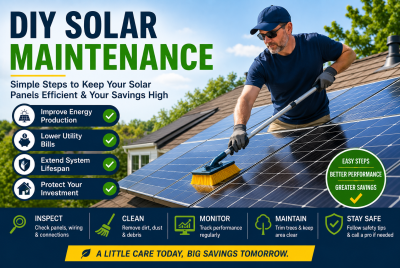
Solar Maintenance
- Remove leaves and debris
- Clean panels occasionally
- Monitor energy production
- Trim nearby trees
- Schedule periodic inspections
Most solar systems require very little routine maintenance.
🌟 Environmental Impact
Solar power produces electricity without burning fossil fuels.
Benefits include:
- Lower greenhouse gas emissions
- Reduced air pollution
- Less noise
- Renewable energy production
Generators remain valuable for emergencies but rely on combustion engines that produce emissions and consume fuel.
📈 Which Option Is Best For Different Homeowners?
1. Choose A Small Generator If You:
- Need affordable backup power
- Experience occasional outages
- Have limited installation budget
- Need portable emergency electricity
2. Choose Solar If You:
- Want lower utility bills
- Plan to stay in your home long term
- Want clean renewable energy
- Qualify for tax incentives
- Want higher home value
3. Choose Both If You:
Many homeowners install solar with battery storage while keeping a generator for extended outages or severe weather emergencies.
This hybrid approach provides exceptional energy resilience.
👷 When To Call A Professional
Consult a certified roofing contractor or solar installer if:
- Your roof is over 15 years old.
- You’re replacing your roof.
- You want battery backup.
- Your roof has significant shading.
- You need a solar production estimate.
- You’re comparing multiple energy systems.
- You want to maximize available tax credits and rebates.
Professional assessments ensure your home is structurally ready and your energy system is properly sized.
❓ FAQs: Small Home Generators Vs Solar
1. Which is cheaper: a small home generator or solar?
Generators usually have lower upfront costs, while solar often provides greater long-term savings through lower electric bills.
2. Can solar replace a generator?
Solar with battery storage can replace a generator for many homeowners, although extended cloudy weather may reduce available backup power.

3. Do solar panels work during power outages?
Only if they are connected to an approved battery storage system or backup-capable inverter.
4. Are generators better for emergencies?
Generators provide reliable emergency power regardless of sunlight, making them useful during prolonged outages.
5. Do solar panels increase home value?
Many studies suggest that professionally installed solar systems can increase property value, depending on the local housing market.
6. How long do solar panels last?
Most high-quality solar panels continue producing electricity for 25 to 30 years or longer.
7. Can I combine solar panels and a generator?
Yes. Many homeowners use both systems together to maximize energy security and flexibility.
🎯 Final Thoughts On Small Home Generators Vs Solar
When comparing small home generators vs solar, the right choice depends on your priorities. Generators offer dependable emergency backup at a lower upfront cost, while solar delivers long-term utility savings, renewable energy, lower maintenance, and access to valuable federal and state incentives.
For many homeowners, investing in rooftop solar with battery storage provides the best combination of energy independence, resilience, and long-term financial value. If you’re planning a roof replacement or considering backup power, request quotes from certified roofing and solar professionals to compare options tailored to your home’s energy needs.
Disclaimer: Installation costs, tax incentives, utility programs, energy savings, and rebate availability vary by location and may change over time. Always consult a licensed roofing contractor, certified solar installer, and qualified tax professional before making purchasing or tax-related decisions.
 Explore more:
- DIY Solar Maintenance: Simple Ways
- What Is The Best Cheap Solar Setup For Small House?
- How Do I Know If My Roof Is Good For Solar?