Solar Panels on Flat Roofs vs Sloped Roofs: Which One Is Better for Power, Cost, and Savings?
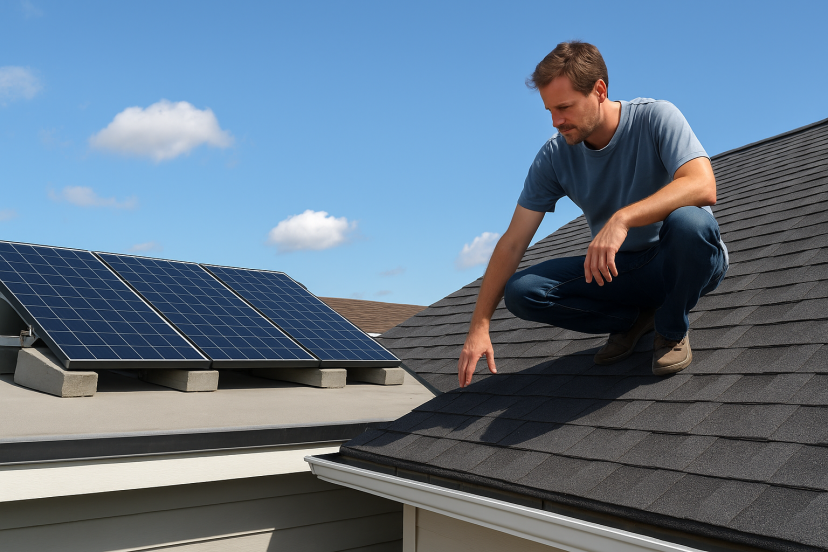
🏠 Flat Roof or Sloped Roof: Why Roof Angle Matters for Solar Success
If you’re thinking about going solar, one of the biggest factors that will shape your system’s performance, price, and long-term return is your roof angle.
Many U.S. homeowners ask:
-
“Do flat roofs work as well as sloped roofs for solar?”
-
“Are ballasted mounts safe?”
-
“Which option produces more power long term?”
The truth is simple:
✅ Both flat roofs and sloped roofs can support high-performance solar
✅ But the design, mounting method, tilt angle, and drainage change everything
❌ Choosing the wrong setup can reduce production and raise maintenance costs
In this in-depth guide, you’ll learn exactly how solar panels flat roof vs sloped systems, compare across:
-
Installation methods
-
Energy output
-
Drainage and weather risk
-
Maintenance needs
-
Long-term savings
-
Federal and state incentives
Let’s break everything down clearly and practically.
☀️ What “Solar Panels Flat Roof vs Sloped” Really Means
This comparison looks at how solar panels behave on:
-
Flat roofs (common on commercial buildings, modern homes, townhomes)
-
Sloped roofs (traditional pitched residential roofs)
Each system uses:

-
Different mounting styles
-
Different tilt angle strategies
-
Different water drainage solutions
-
Different wind-load protection
Both can be efficient — but only when installed correctly.
🏢 Solar Panels on Flat Roofs: How They Work
Flat roofs do not mean flat panels. Instead, solar panels are mounted on angled frames to capture sunlight efficiently.
✅ Common flat-roof mounting types
-
Ballasted mounts (weighted, no roof penetration)
-
Mechanically attached racks
-
Hybrid ballast + anchor systems
🔧 Flat Roof Installation Basics
Flat-roof systems rely on:
-
Ballasted mounts using concrete blocks
-
Tilted rack structures
-
Wind-deflecting shields
-
Roof membrane protection mats
Because many flat roofs use rubber membranes (TPO, EPDM, PVC), installers avoid drilling whenever possible.
✅ No roof penetrations
✅ Lower leak risk
✅ Faster install on large surfaces
📐 Tilt Angle on Flat Roof Solar Systems
Since flat roofs have no natural pitch, installers create the tilt angle manually.
Typical flat-roof tilt angles:
-
10–15° in windy zones
-
20–30° in balanced climates
-
30–35° in northern states
Proper tilt improves:
-
Daily solar exposure
-
Seasonal performance
-
Snow shedding
-
Panel cooling airflow
🌧️ Drainage on Flat Roofs
Drainage is critical for flat-roof solar success.
✅ Proper drainage design includes:
-
Space between panel rows
-
Clear roof drains
-
Raised mounting platforms
-
Water flow channels
❌ Poor drainage causes:
-
Ponding water
-
Roof membrane damage
-
Ice dam buildup
-
Hidden roof leaks
Drainage mistakes are the biggest long-term risk on flat-roof solar systems.
💰 Flat Roof Solar Cost Impact
Flat roofs can be:
-
Cheaper for large systems
-
More expensive for small residential systems
Average flat-roof add-on costs:
-
Ballasted rack system: $0.50–$1.50 per watt
-
Structural load analysis: $300–$1,200
-
Wind engineering report: $200–$800
The difference depends heavily on:
-
Roof size
-
Wind zone
-
Snow load requirements
🏠 Solar Panels on Sloped Roofs: How They Work
Sloped roofs use the natural pitch of the roof to set the panel angle.
Common sloped roof types:
-
Asphalt shingle
-
Metal roofing
-
Tile roofing
Panels are mounted with:
-
Rafter-anchored rail systems
-
Flashing at every penetration
-
Fixed tilt based on roof slope
🔧 Sloped Roof Installation Basics
Installation includes:
-
Drilling into rafters
-
Waterproof flashing at every mount
-
Aluminum rail systems
-
Panel clamps securing the array
✅ Strong structural anchoring
✅ Excellent wind resistance
✅ Long-term stability
📐 Tilt Angle Advantage on Sloped Roofs
Most U.S. homes already have a near-ideal tilt angle built into the roof.
Typical residential roof pitch:
-
5:12 to 8:12
-
Roughly 22°–34°
This places panels in the solar efficiency sweet spot for most southern and central states.
✅ No adjustable racks needed
✅ Lower mounting cost
✅ Excellent year-round output
🌧️ Drainage on Sloped Roofs
Drainage is naturally optimized on sloped roofs.
Water:
-
Runs off instantly
-
Does not pool near mounts
-
Rarely creates standing moisture
This greatly reduces:
-
Long-term leak risk
-
Ice buildup
-
Mount corrosion
💰 Sloped Roof Solar Cost Impact
Sloped roofs usually deliver the lowest total system cost:
-
Standard racking systems
-
No ballast blocks
-
No wind engineering in most cases
-
No added structural load design
Lower material and labor costs help shorten payback time.
📊 Flat Roof vs Sloped Roof Solar Comparison Table
| Feature | Flat roof | Sloped roof |
|---|---|---|
| Mount type | Ballasted mounts | Rafter-anchored rails |
| Tilt angle control | Adjustable | Fixed by roof pitch |
| Drainage | Engineered | Natural |
| Leak risk | Very low | Very low with flashing |
| Installation cost | Medium–high | Lowest |
| Wind risk | Higher without proper design | Lower |
| Maintenance | Moderate | Low |
| Best for | Commercial & modern homes | Traditional homes |
🔋 Energy Production: Which Produces More Power?
When comparing solar panels flat roof vs sloped, production depends on:
-
Exact tilt angle
-
South-facing exposure
-
Shading
-
Local climate
-
Panel cleanliness
✅ Flat roofs can produce equal or higher output when:
-
Panels are perfectly tilted
-
No shading is present
-
Snow shedding is engineered
✅ Sloped roofs produce consistent output with:
-
Minimal adjustment
-
Seasonal balance
-
Lower maintenance
Flat roofs offer precision control, while sloped roofs offer natural efficiency.
⚠️ Structural Load Considerations
Flat roofs carry extra weight from:

-
Ballasted mounts
-
Concrete blocks
-
Wind shields
This requires:
-
Engineering load verification
-
Roof deck integrity review
Sloped roofs transfer weight through:
-
Rafters
-
Trusses
-
Load-bearing walls
This usually simplifies permitting and inspection.
🛠️ Maintenance Differences
✅ Flat roof maintenance
-
Annual drain inspections
-
Ballast shifting checks
-
Debris removal under panels
✅ Sloped roof maintenance
-
Occasional panel cleaning
-
Flashing seal inspection every 2–3 years
Sloped systems are generally easier and cheaper to maintain.
💰 Long-Term Savings Comparison
Over a 25-year lifespan:
-
Flat-roof commercial systems: $40,000–$120,000+ savings
-
Flat-roof residential systems: $20,000–$45,000
-
Sloped residential systems: $22,000–$50,000
Savings depend on:
-
Utility rate inflation
-
Net metering rules
-
Battery storage adoption
🧾 Incentives Apply to Both Roof Types
Both flat and sloped roofs qualify for:
✅ 30% Federal Solar Tax Credit
✅ State utility rebates
✅ Property tax exemptions
✅ Performance-based incentives
✅ Energy Star upgrades
✅ Battery storage incentives
Roof angle does not affect eligibility.
🏡 Which Roof Type Adds More Home Value?
Both increase resale value — but differently:

-
Sloped-roof solar increases value faster on single-family homes
-
Flat-roof solar boosts commercial property income potential
-
Metal sloped roofs + solar deliver the highest premium
Homes with solar often sell:
-
Faster
-
At higher prices
-
With stronger buyer interest
🔧 Installation Errors to Avoid on Each Roof Type
Flat roof errors
-
Poor drainage layout
-
Undersized ballast
-
No wind deflectors
-
Blocked roof drains
Sloped roof errors
-
Missing flashing
-
Missed rafters
-
Over-tightened lag bolts
-
Cracked shingles
🔨 When to Call a Professional Installer
Always contact a licensed solar professional if:
-
Your flat roof shows signs of ponding
-
Your roof has fewer than 10–12 years of life left
-
You live in a hurricane or snow-load zone
-
You’re adding battery storage
-
Your utility has strict interconnection rules
Professional inspections include:
-
Structural load testing
-
Shading analysis
-
Wind and snow modeling
-
Permit compliance
❓ FAQs – Solar Panels on Flat Roofs vs Sloped Roofs
1. Are flat roofs good for solar panels?
Yes, when ballasted mounts, tilt angle, and drainage are properly engineered.
2. Do sloped roofs produce more solar power?
Not always. Flat roofs can match or exceed output with optimized tilt.
3. Are ballasted mounts safe for flat roofs?
Yes, when properly engineered for wind and load.
4. Which roof has lower maintenance costs?
Sloped roofs usually require less long-term maintenance.
5. Can a flat roof leak after solar installation?
Only if drainage or membrane protection is poorly designed.
6. Which system lasts longer?
Both last 25–35 years when installed correctly.
7. Is flat-roof solar more expensive than sloped-roof solar?
Often yes for residential systems, but not always for commercial buildings.
🌞 Final Verdict: Flat Roof vs Sloped Roof for Solar
Here’s the honest bottom line for U.S. homeowners:
✅ Choose a sloped roof system if you want:
-
Lower installation cost
-
Natural drainage
-
Minimal engineering
-
Simple maintenance
✅ Choose a flat roof system if you want:
-
Full tilt-angle control
-
Large system capacity
-
Modular expansion
-
Commercial-scale power
When designed correctly, both options deliver excellent solar performance and long-term savings.
⚠️ Disclaimer
System performance, installation pricing, structural requirements, wind ratings, drainage design, and incentives vary by state, utility provider, roof age, and building code. Always consult a licensed solar installer and certified structural professional before final installation.
 Explore more:
- Solar Shingles vs Asphalt Shingles
- Residential Roofing Services: What Homeowners Need To Know
- Best Roof Types for High-Efficiency Solar