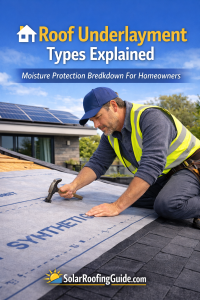
🏠 Roof Underlayment Types Explained: The Moisture Protection Layer Every Homeowner Should Understand
🔍 Why Roof Underlayment Matters More Than You Think
When homeowners think about roofing, shingles or metal panels usually get all the attention. But beneath every durable roof is a hidden layer doing critical work: roof underlayment. Understanding roof underlayment types is essential if you want to protect your home from moisture damage, improve energy efficiency, or prepare your roof for solar panels.
Underlayment acts as a secondary water barrier, guarding your home against wind-driven rain, ice dams, and condensation. Choosing the right type can significantly impact roof lifespan, maintenance costs, and long-term energy savings—especially for U.S. homeowners dealing with diverse climates.
This guide breaks down roof underlayment types in simple terms, helping you make confident, cost-smart decisions.
💡 What Is Roof Underlayment And What Does It Do?
Roof underlayment is a water-resistant or waterproof layer installed directly on the roof deck before the final roofing material.
Key roles of roof underlayment:
-
Protects against moisture intrusion
-
Prevents leaks during storms
-
Adds backup protection if shingles fail
-
Improves roof durability and lifespan
-
Supports solar and energy-efficient roofing systems
No matter the roofing material, underlayment is non-negotiable for long-term performance.
🧱 Roof Underlayment Types Explained For Homeowners
There are three primary roof underlayment types used in U.S. residential construction. Each offers different levels of protection, cost, and performance.
Main roof underlayment categories:
-
Felt underlayment
-
Synthetic underlayment
-
Self-adhered (ice and water shield)
Understanding how they compare is key to choosing the right solution for your home.
🏠 Felt Underlayment: Traditional And Budget-Friendly
Felt underlayment—often called tar paper—has been used for decades.
What felt underlayment is made from:
-
Asphalt-saturated paper or fiberglass
-
Typically available in 15-pound or 30-pound grades
Pros of felt underlayment:
-
Lower upfront cost
-
Widely available
-
Easy to install
Cons of felt underlayment:
-
Less tear-resistant
-
Absorbs moisture
-
Shorter lifespan
-
Can wrinkle or degrade
Felt underlayment may still work for budget-focused projects, but it’s becoming less common for long-term roofing systems.
🏠 Synthetic Underlayment: Modern Performance Upgrade
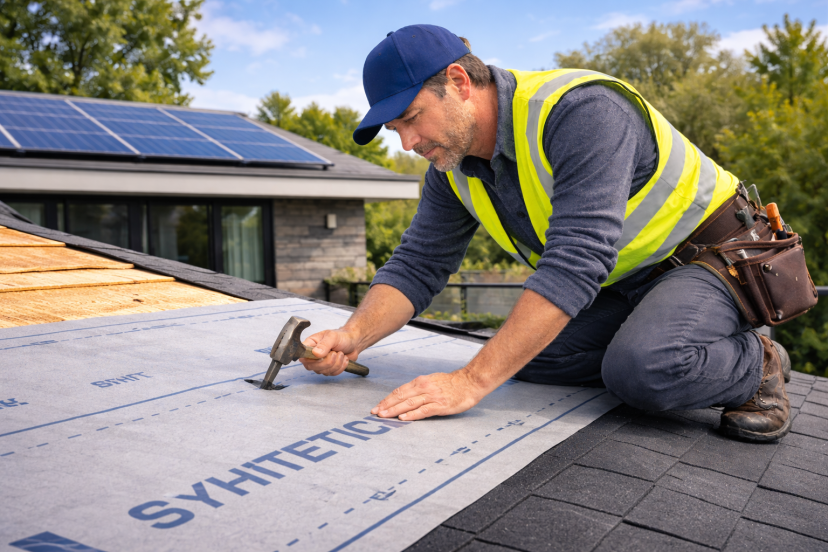
Synthetic underlayment is now the preferred choice for many contractors and homeowners.
What synthetic underlayment is made from:
-
Polypropylene or polyethylene polymers
-
Engineered for durability and moisture resistance
Benefits of synthetic underlayment:
-
Highly water-resistant
-
Lightweight and strong
-
Resistant to mold and UV exposure
-
Better traction for installers
-
Longer lifespan
Synthetic underlayment costs more upfront but often delivers better long-term value and fewer repairs.
❄️ Self-Adhered Underlayment: Ice And Water Shield Protection
Self-adhered membranes are premium underlayment options designed for high-risk areas.
Common uses:
-
Roof valleys
-
Eaves and rakes
-
Around chimneys and skylights
-
Low-slope roofs
Key advantages:
-
Fully waterproof
-
Self-sealing around nails
-
Ideal for ice dam prevention
Many U.S. building codes require ice and water shield in colder climates.
📊 Roof Underlayment Types Comparison Table
| Feature | Felt Underlayment | Synthetic Underlayment | Self-Adhered |
|---|---|---|---|
| Water Resistance | Moderate | High | Waterproof |
| Durability | Low–Medium | High | Very High |
| Cost | Low | Medium | High |
| Lifespan | 10–20 years | 25–40 years | 30+ years |
| Solar-Compatible | Limited | Excellent | Excellent |
This comparison helps homeowners match roof underlayment types to climate, budget, and long-term goals.
💧 How Roof Underlayment Protects Against Moisture Damage
Moisture is the biggest enemy of roofing systems.
Underlayment protects by:
-
Blocking wind-driven rain
-
Preventing condensation from reaching the decking
-
Acting as backup if shingles crack or lift
-
Reducing rot and mold growth
Choosing high-quality roof underlayment types dramatically lowers the risk of hidden water damage.
🔋 Roof Underlayment Types And Solar Roof Compatibility
If you’re considering solar panels, the underlayment choice becomes even more important.
Why underlayment matters for solar:
-
Roof penetrations increase leak risk
-
Solar panels last 25–30 years
-
Roof repairs after solar installation are costly
Synthetic and self-adhered underlayment are ideal for solar-ready roofs and pair well with incentives like the Federal Solar Tax Credit, which allows eligible homeowners to deduct 30% of solar installation costs.
💰 Roof Underlayment Costs For U.S. Homeowners
Costs vary by material and region.
Typical installed cost ranges:
-
Felt underlayment: $0.50–$1.00 per sq. ft.
-
Synthetic underlayment: $0.75–$1.50 per sq. ft.
-
Self-adhered membrane: $1.50–$3.00 per sq. ft.
While felt underlayment is cheaper upfront, synthetic underlayment often saves money over time due to fewer repairs and a longer lifespan.
🏡 Energy Efficiency Benefits Of Quality Underlayment
Roof underlayment contributes to overall home efficiency.
Energy-related benefits:
-
Reduces air leakage
-
Improves insulation performance
-
Stabilizes attic temperatures
-
Supports cool roof systems
Homes using energy-efficient roofing materials that meet Energy Star standards often benefit from lower cooling costs and potential rebates.
🔧 Installation Tips That Affect Underlayment Performance
Even the best roof underlayment types fail if installed incorrectly.
Installation best practices:
-
Install on clean, dry decking
-
Overlap seams properly
-
Use compatible fasteners
-
Seal penetrations carefully
-
Follow manufacturer guidelines
Proper installation protects warranties and ensures long-term performance.
🛠️ Maintenance And Lifespan Considerations
Underlayment is hidden but still ages over time.
Factors affecting lifespan:
-
Climate exposure
-
Roof ventilation quality
-
Roofing material above
-
Installation quality
Routine roof inspections help catch issues early—even if the underlayment itself isn’t visible.
🚨 When To Call A Professional Roofer Or Solar Installer
Some situations require expert evaluation.
Contact a professional if:
-
You notice interior ceiling stains
-
Shingles or panels are being replaced
-
You’re installing solar panels
-
Your roof is over 15 years old
-
You’re unsure which underlayment type is best
Certified roofers ensure your roof underlayment types match local codes and climate conditions.
❓ Roof Underlayment Types FAQs
1. Which roof underlayment type lasts the longest?
Synthetic and self-adhered underlayment typically lasts 25–40 years or more.
2. Is felt underlayment still allowed?
Yes, but it’s less common for long-term or solar-ready roofs.
3. Do metal roofs need underlayment?
Absolutely. Underlayment prevents condensation and moisture intrusion.
4. Can underlayment improve energy efficiency?
Yes. It reduces air leakage and supports insulation performance.
5. Is synthetic underlayment worth the cost?
For most homeowners, yes—it offers better durability and moisture protection.
6. Does underlayment affect roofing warranties?
Yes. Many manufacturers require approved underlayment types.
7. Is ice and water shield required everywhere?
Not everywhere, but often required in cold or high-risk areas.
✅ Conclusion: Choose The Right Roof Underlayment For Long-Term Protection
Understanding roof underlayment types empowers homeowners to protect their investment, improve energy efficiency, and prepare for solar. While felt underlayment may suit tight budgets, synthetic and self-adhered options offer superior moisture protection and long-term savings.
Before your next roofing project, talk with a licensed professional to choose the underlayment that fits your climate, budget, and energy goals—and consider upgrading now to avoid costly repairs later.
⚠️ Disclaimer
Roofing costs, materials, codes, and incentives vary by location. Always consult a licensed roofing or solar professional before making home improvement decisions.
 Explore more:
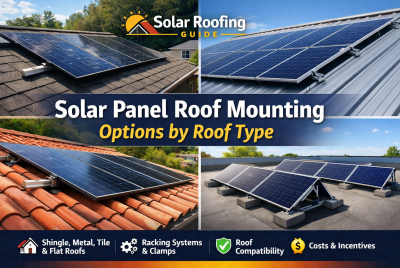
- Solar Panel Roof Mounting: Best Options By Roof Type
- Contractors Roof Solar: Best Contractors For Roof
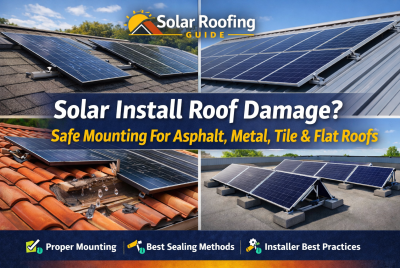
- Solar Install Roof Damage: Safe Solar Panel Mounting Options