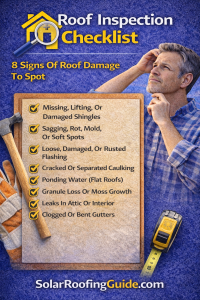
🏠 Roof Inspection Checklist For Homeowners: A Step-By-Step DIY Guide To Protect Your Home & Go Solar-Ready
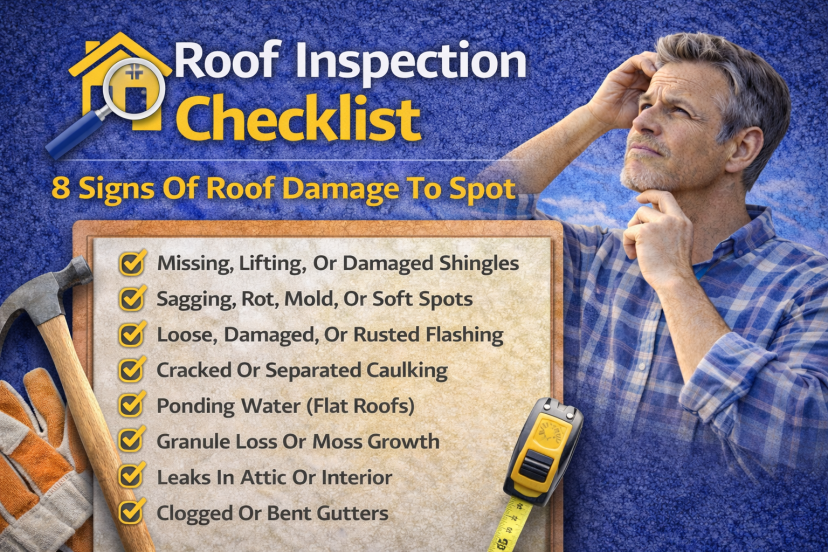
❓ Why A Roof Inspection Matters More Than Ever
For U.S. homeowners, your roof does more than keep out rain—it protects your biggest investment, affects energy bills, and determines whether solar panels are an option. A small issue like a loose shingle or clogged flashing can quietly lead to leaks, insulation damage, and higher heating and cooling costs.
That’s why having a roof inspection checklist is essential. With a structured, DIY approach, you can spot problems early, improve energy efficiency, and avoid costly surprises—especially if you’re considering solar in the future.
This guide gives you a printable, step-by-step inspection workflow designed for homeowners, not contractors. No technical background required—just practical steps you can safely follow.
🏠 What Is A Roof Inspection Checklist?
A roof inspection checklist is a systematic way to evaluate your roof’s condition from the inside out. Instead of guessing, you follow a defined process to check:
-
Roofing materials
-
Structural integrity
-
Drainage and flashing
-
Safety and access issues
-
Solar readiness and long-term durability
Using a consistent checklist helps ensure you don’t miss hidden warning signs that can affect roof lifespan, home efficiency, and solar compatibility.
✅ Benefits Of Doing A DIY Roof Inspection
Performing a basic inspection yourself offers several advantages before calling a professional.
Key benefits include:
-
Early detection of minor issues before they become expensive repairs
-
Better planning for roof replacement or solar installation
-
Improved energy efficiency and lower utility bills
-
Confidence when comparing contractor quotes
-
Documentation for insurance or warranty claims
A homeowner-friendly roof inspection checklist also helps you understand your roof’s condition in plain language.
🪜 Roof Safety Check Before You Start
Before learning how to inspect roof yourself, safety comes first. Many roof problems can be identified from the ground or attic.
Roof safety check essentials:
-
Inspect on a clear, dry day with good visibility
-
Use binoculars instead of climbing when possible
-
Wear non-slip shoes and gloves
-
Never walk on steep or fragile roofing
-
Avoid inspections during high winds or extreme heat
If you’re uncomfortable at any point, stop. A proper roof safety check means knowing when not to proceed.
🧭 Step-By-Step Roof Inspection Checklist (Printable Workflow)
Below is a structured inspection you can save or print.
🔍 Step 1: Ground-Level Visual Inspection
Start by walking around your home.
Look for:
-
Missing, curled, or cracked shingles
-
Dark streaks or discoloration
-
Sagging rooflines or uneven edges
-
Debris buildup in valleys
These signs often indicate aging materials or moisture intrusion.
🏠 Step 2: Attic & Interior Check
Inside inspections are just as important.
Check for:
-
Water stains on ceilings or attic rafters
-
Mold or mildew odors
-
Sunlight coming through the roof deck
-
Damp insulation
Interior clues often reveal leaks before they show outside.
🧱 Step 3: Shingles & Roofing Materials
If safely accessible, examine materials more closely.
Evaluate:
-
Granule loss on asphalt shingles
-
Cracks or rust on metal panels
-
Brittle or warped tiles
-
Exposed fasteners
Material condition directly impacts energy efficiency and solar readiness.
🌧️ Step 4: Flashing, Vents & Penetrations
Flashing failures are a leading cause of leaks.
Inspect around:
-
Chimneys
-
Skylights
-
Plumbing vents
-
Roof edges
Look for gaps, corrosion, or loose seals that allow water intrusion.
💧 Step 5: Gutters & Drainage
Proper drainage protects both the roof and the foundation.
Confirm that:
-
Gutters are securely attached
-
Downspouts direct water away from the home
-
No standing water or overflow marks are visible
Poor drainage shortens roof life and increases repair costs.
☀️ Step 6: Solar Readiness Check
If solar is on your radar, your roof matters.
Assess:
-
Roof age (ideally under 10–15 years)
-
South- or west-facing exposure
-
Shading from trees or nearby buildings
-
Structural soundness
Solar panels last 25+ years, so roof condition is critical.
🔋 How Roof Condition Affects Energy Efficiency
Your roof plays a major role in temperature regulation.
A compromised roof can cause:
-
Heat loss in winter
-
Heat gain in summer
-
Overworked HVAC systems
-
Higher monthly energy bills
Homes with well-maintained roofing and proper insulation often meet ENERGY STAR standards more easily and qualify for efficiency incentives.
💰 Roof Inspection Costs Vs DIY Savings
Professional roof inspections typically cost $150–$400 in the U.S., depending on location and roof complexity.
DIY inspection advantages:
-
Free initial assessment
-
Better understanding before hiring a pro
-
Avoid unnecessary repairs
-
Stronger negotiating position
A homeowner-led roof inspection checklist doesn’t replace professionals—but it makes their work more transparent.
🛠️ Installation & Maintenance Tips For Long-Term Savings
Maintaining your roof extends its lifespan and protects solar investments.
Best practices:
-
Schedule inspections twice a year (spring & fall)
-
Clear debris after storms
-
Address small repairs immediately
-
Coordinate roof replacement before solar installation
Preventive maintenance often saves thousands over time.
🧾 Warranties, Incentives & Solar Planning
Roof condition affects warranties and incentives.
Important considerations:
-
Manufacturer warranties may require documented inspections
-
Solar incentives, including the Federal Solar Tax Credit, assume a stable roof
-
State rebate programs often require certified installations
A strong inspection history supports eligibility and peace of mind.
🚨 When To Call A Professional Roofer Or Solar Installer
DIY inspections have limits. Contact a licensed professional if you notice:
-
Active leaks or structural sagging
-
Widespread shingle failure
-
Mold growth or severe insulation damage
-
Roof age exceeding 20–25 years
-
Plans to install solar panels soon
Certified roofing or solar installers can perform advanced assessments and structural checks you can’t do safely.
❓ FAQs: Roof Inspection Checklist
1. How often should I use a roof inspection checklist?
Twice per year, and after major storms, is ideal for most U.S. homes.
2. Can I inspect my roof without climbing it?
Yes. Many issues are visible from the ground or attic using binoculars and proper lighting.
3. Is a roof safety check really necessary?
Absolutely. Falls are a leading cause of home-inspection injuries.
4. How long does a DIY roof inspection take?
Most homeowners complete a basic checklist in 30–60 minutes.
5. Does roof condition affect solar panel installation?
Yes. Solar requires a structurally sound roof with years of life remaining.
6. Can a roof inspection help lower energy bills?
Yes. Identifying insulation gaps and leaks improves efficiency.
7. Should I still get a professional inspection?
Yes—especially before major repairs, resale, or solar installation.
🏁 Conclusion: Take Control Of Your Roof & Energy Future
Using a structured roof inspection checklist empowers homeowners to protect their property, reduce energy costs, and plan confidently for solar. By understanding your roof’s condition today, you avoid surprises tomorrow—and position your home for long-term savings and sustainability.
If your checklist reveals concerns or you’re planning solar, now is the perfect time to request a professional roof or solar quote and explore your options.
⚠️ Disclaimer
Roof conditions, pricing, and incentives vary by location and home type. Always consult a licensed roofing or solar professional before making repair or installation decisions.
 Explore more:
- Best Roofing Materials For Mobile & Manufactured Homes
- Solar Panels on Flat Roofs vs Sloped Roofs
- Cost of Solar Panel Roof Replacement